



Procter & Gamble Co (PG)













Procter & Gamble (PG) Laps the Stock Market: Here's Why
Procter & Gamble (PG) concluded the recent trading session at $169.76, signifying a +1.07% move from its prior day's close.

PG's Brand Strength & Strategy Fuel Resilience Amid Economic Pressures
Procter & Gamble's strong brands, pricing strategy and efficiency drive growth, ensuring resilience amid macroeconomic and geopolitical challenges.
Investors Heavily Search Procter & Gamble Company (The) (PG): Here is What You Need to Know
Recently, Zacks.com users have been paying close attention to P&G (PG). This makes it worthwhile to examine what the stock has in store.

Procter & Gamble (PG) Advances While Market Declines: Some Information for Investors
Procter & Gamble (PG) closed the most recent trading day at $175.59, moving +1.01% from the previous trading session.
Here is What to Know Beyond Why Procter & Gamble Company (The) (PG) is a Trending Stock
P&G (PG) has been one of the stocks most watched by Zacks.com users lately. So, it is worth exploring what lies ahead for the stock.

Procter & Gamble Trades Above 50 & 200-Day SMAs: Buy Now or Wait?
PG drives growth through productivity and cost savings but faces headwinds from geopolitical tensions, currency volatility and challenges in key markets.

Why Is P&G (PG) Up 0.6% Since Last Earnings Report?
P&G (PG) reported earnings 30 days ago. What's next for the stock?
The Procter & Gamble Company (PG) Consumer Analyst Group of New York Conference (Transcript)
The Procter & Gamble Company (NYSE:PG ) Consumer Analyst Group of New York Conference Call February 20, 2025 9:00 AM ET Company Participants Andre Schulten - Chief Financial Officer John Chevalier - Senior Vice President, Investor Relations Conference Call Participants Dara Mohsenian - Morgan Stanley Bryan Spillane - Bank of America Andrea Teixeira - JPMorgan Filippo Falorni - Citi Lauren Lieberman - Barclays Bill Chappell - Truist Securities John Chevalier P&G would like to remind you that today's discussion will include a number of forward-looking statements. If you will refer to P&G's most recent 10-K, 10-Q and 8-K reports, you will see a discussion of factors that could cause the company's actual results to differ materially from these projections.

Is Trending Stock Procter & Gamble Company (The) (PG) a Buy Now?
P&G (PG) has been one of the stocks most watched by Zacks.com users lately. So, it is worth exploring what lies ahead for the stock.
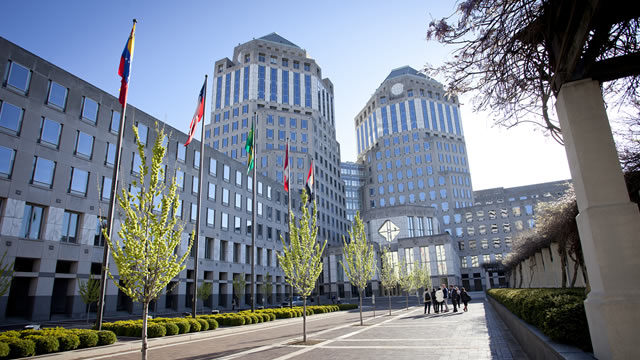
Procter & Gamble poised for long-term growth despite market volatility: analysts
Procter & Gamble Co (NYSE:PG, ETR:PRG)'s long-term growth trajectory is intact despite short term market challenges, analysts at Goldman Sachs believe. Analysts wrote that they left recent meetings with P&G's management team “broadly encouraged” by its growth trajectory.
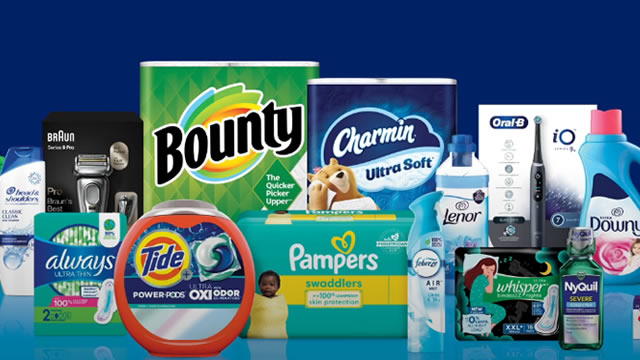
Dividend King P&G Just Paid Investors: Here's How Much They Received
Procter & Gamble Co. (NYSE: PG) is rewarding its shareholders once again with a quarterly dividend of $1.0065, payable on Tuesday, Feb.

1 Crucial Thing Investors Are Missing About Procter & Gamble's Sales
In what's become something of a habit, Procter & Gamble (PG -4.75%) surprised on the upside in its second quarter of fiscal 2025. Not only that, the huge, sprawling, and very well-established company managed to grow key fundamentals, a feat that isn't easy to accomplish at this size and scope.




