



Royal Caribbean Group (RCL)










Why Is Royal Caribbean (RCL) Down 10.4% Since Last Earnings Report?
Royal Caribbean (RCL) reported earnings 30 days ago. What's next for the stock?
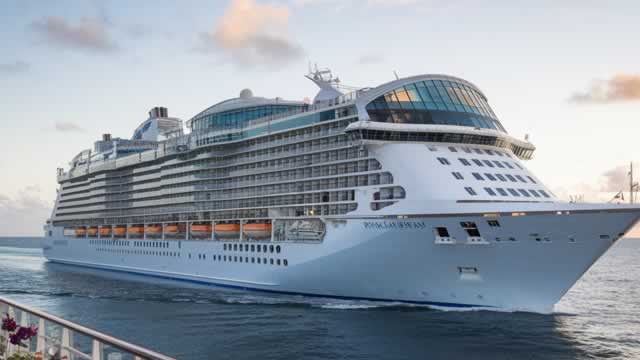
Here's Why Royal Caribbean (RCL) is a Strong Momentum Stock
Wondering how to pick strong, market-beating stocks for your investment portfolio? Look no further than the Zacks Style Scores.
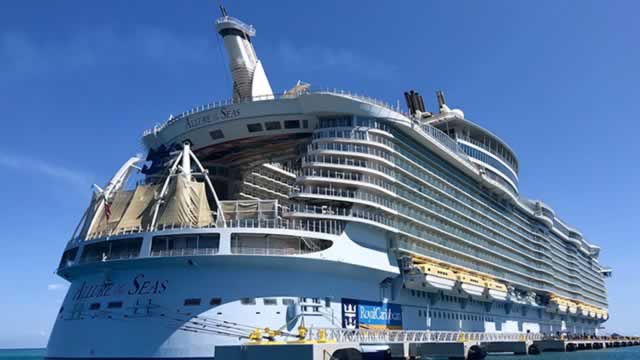
RCL Q2 Earnings Call Balances Europe Drag and 2027 Strength
Royal Caribbean lifts its full-year earnings outlook as close-in demand strengthens, while Europe caps yield upside and 2027 bookings hold record pricing.

Why Royal Caribbean (RCL) is a Top Momentum Stock for the Long-Term
The Zacks Style Scores offers investors a way to easily find top-rated stocks based on their investing style. Here's why you should take advantage.

Is RCL Stock Worth Buying After Its Strong 2026 Earnings Outlook?
Royal Caribbean's stronger 2026 outlook and healthy demand bolster its case, but premium valuation, debt and heavy spending support patience.
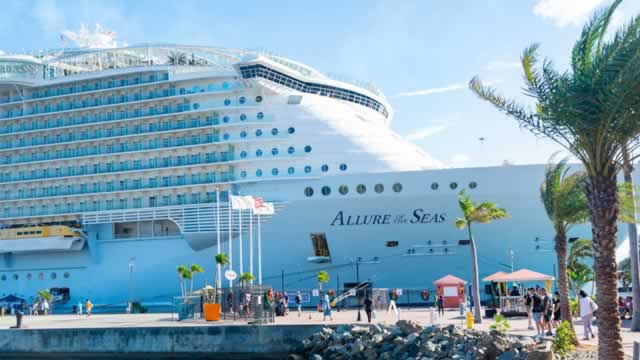
Royal Caribbean Growth Drivers Investors Should Watch Through 2028
RCL's record pricing, fleet growth, private destinations and river cruises support earnings and cash flow growth through 2028.
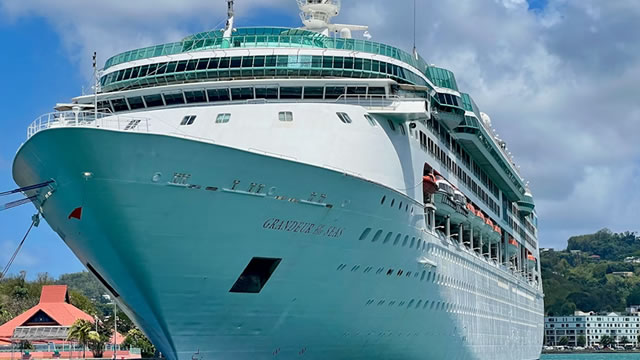
Royal Caribbean Q2: Wavy Geopolitics Creates Bumpy Cruise Outlook
Royal Caribbean reported its Q2 results, and the print landed mostly in-line with expectations, with the exception of forward guidance, which came in light, in my view. The cruise operator lowered its full-year revenue growth guidance from 10% to 9%. The company also narrowed its guidance for forward net yields in as reported terms, while leaving unchanged in constant currency.

Royal Caribbean: Not Priced For Perfecta
Royal Caribbean Cruises remains on a robust growth trajectory, despite higher fuel costs and modest Q2'26 revenue growth of 6.4%. Bookings are at record prices and volumes, supporting strong forward guidance, though 2026 revenue growth was revised slightly down to 9%. Capital returns remain solid with a 2% dividend and $1B in H1'26 buybacks, but nearly $23B in debt poses a risk if travel is disrupted.

Royal Caribbean Cruises Q2 Earnings Call Highlights
Royal Caribbean Cruises NYSE: RCL reported second-quarter results that exceeded its expectations, citing stronger close-in demand, higher onboard spending and favorable costs, while raising its full-year adjusted earnings outlook despite a modest impact from geopolitical events on European itineraries.

Step aboard Royal Caribbean's Wonder of the Seas, a mega cruise ship that has 8 'neighborhoods' spread across 18 decks
I sailed on Royal Caribbean's Wonder of the Seas, one of the largest cruise ships in the world. It can hold up to 7,000 guests and has eight "neighborhoods" with activities and amenities.

Royal Caribbean Q2 Earnings & Revenues Beat Estimates on Strong Demand
RCL beats Q2 estimates as strong demand and onboard spending lift revenues, but rising costs squeeze profit and send shares lower.

Royal Caribbean lifts full-year EPS forecast on strong demand
Royal Caribbean Cruises Ltd (NYSE:RCL) shares rose 4.4% on Tuesday after the cruise operator beat second-quarter profit estimates and raised its full-year outlook on strong close-in demand and cost efficiencies. The company posted adjusted earnings per share of $4.21, topping analyst estimates of $3.98, though the figure was down 4% from a year earlier.




