



RTX Corporation (RTX)











RTX vs. GD: Which Pentagon-Backed Dividend Will Outperform Over the Next Decade?
Both RTX and GD just dropped on the same Pentagon spending surge, but the stock you buy depends entirely on where you are in life.
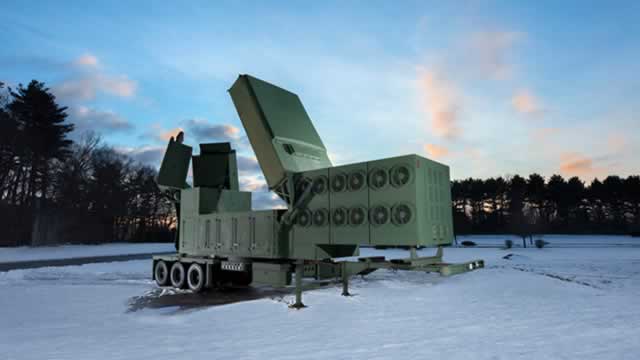
RTX Corporation's Defense Orders Are Surging Again - Another $45B Just Dropped
RTX Corporation's missile programs are quickly becoming the cornerstone of the company's defense business as the US Dept. of War & allied forces meaningfully raise their missile procurement levels. The recent $45B twin missile contracts secured by RTX in the past few days underscore strong potential for sustained backlog acceleration underpinned by secular geopolitical tailwinds. The company's Defense Backlog has grown 11.2% YTD to ~$119B, already outpacing last year's growth and reinforcing expectations for continued double-digit expansion.
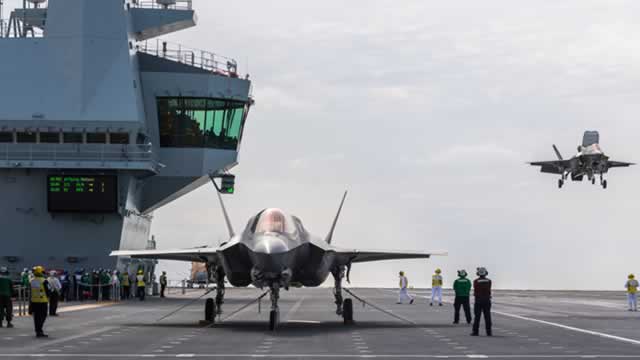
Raytheon Gets $24.4 Billion Navy Contract for Standard Missile-6 Interceptors
The contract is for an initial term of five years and contains two additional option years, the company said.

More Signs This Defense ETF Can Take Off
Defense contractors such as Lockheed Martin (LMT) and RTX Corporation (RTX), among many more, are at the epicenter of a massive replenishment cycle ushered in by the war in Iran lasting far longer than anticipated. U.S. rearmament is a valid reason to consider aerospace and defense ETFs such as the Invesco Aerospace & Defense ETF (PPA).

Raytheon Gets $20.7 Billion Contract to Accelerate AMRAAM Missile Production
Under the five-year contract, with two option years, Raytheon said it will scale AMRAAM missile production to record levels to meet long-term demand.
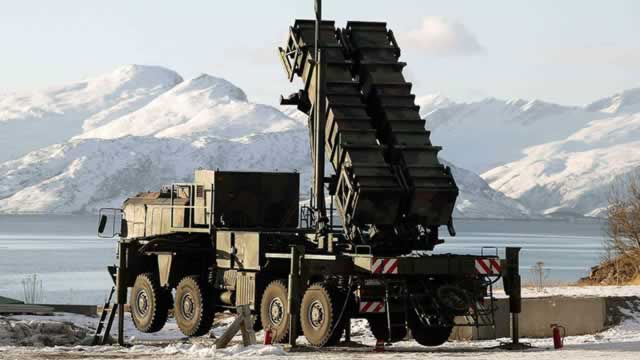
RTX Stock Could be Armed for a Rebound
Defense stock RTX Corp (NYSE:RTX) pulled back after hitting a record high of $226.88 on Aug. 10.
RTX: Buy The Earnings Yield Selloff
RTX shares have declined 16%, with only 9%-10% of the drop attributable to treasury yield increases; broader pressures are at play. I maintain my buy rating and $244.18 price target, seeing 18% upside on next year's earnings and 29% on 2028 estimates. RTX's free cash flow is expected to grow 14% annually, with improving volumes offsetting margin compression and CapEx remaining stable at 3% of sales.
RTX Corporation: Improving Margins Could Unlock More Value From Its Backlog
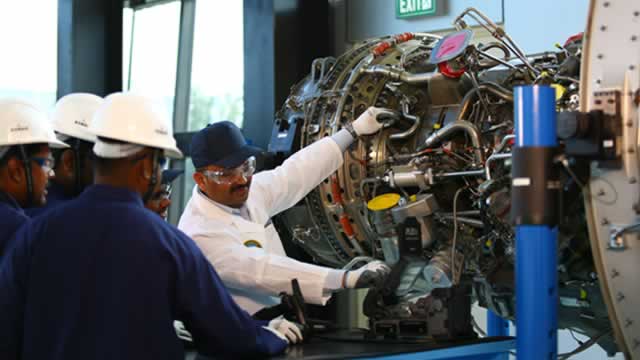
RTX Corporation is rated a measured Buy, targeting a 2-year price of $222.50, reflecting moderate growth and margin expansion. RTX's $289 billion backlog and improving operating margins, especially at Raytheon and Collins, underpin the investment thesis, but Pratt & Whitney remains a key risk. 2026 guidance calls for $95–96 billion in sales and $7.10–7.25 adjusted EPS, with free cash flow forecasted at $8.5–8.75 billion.
RTX Beats Lockheed Martin on Risk -- Here's Why It's the Better Buy Long-Term
RTX has less exposure to risk from fixed-price defense contracts than Lockheed Martin. RTX's commercial aerospace business justifies its valuation premium.
RTX (RTX) Stock Sinks As Market Gains: What You Should Know
In the most recent trading session, RTX (RTX) closed at $193.54, indicating a -1.67% shift from the previous trading day.

Jim Cramer Says Defense Giant Still Too Expensive, Despite $22.9 Billion Tomahawk Missile Deal
On the night the Federal Reserve delivered a quarter-point rate hike, a caller from Florida asked Jim Cramer what was going on with Raytheon parent RTX (NYSE:RTX | RTX Price Prediction).
RTX (RTX) Upgraded to Buy: Here's Why
RTX (RTX) might move higher on growing optimism about its earnings prospects, which is reflected by its upgrade to a Zacks Rank #2 (Buy).




