



Synopsys, Inc. (SNPS)











Synopsys vs. NVIDIA: Which Chip Ecosystem Stock Is the Better Bet?
NVDA outpaces SNPS in the AI chip race with stronger growth, data center dominance, and rising GPU demand, making it the better bet right now.
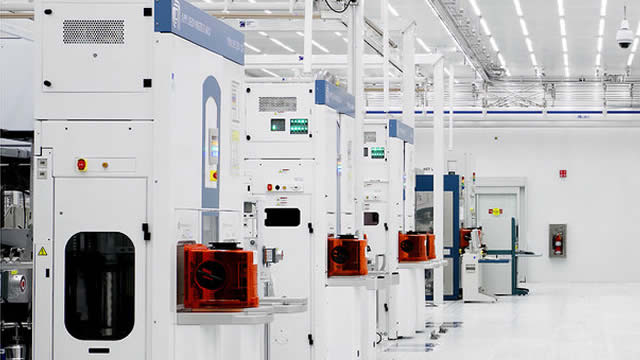
Can Rising AI Tool Adoption Lift Synopsys' Design Automation Revenues?
SNPS rides on AI-driven demand as Design Automation revenues surge 96%, with AI tools boosting chip design speed and expanding growth opportunities.

An Activist Investor Is Taking an Interest in This Nvidia Partner. Its Stock Is Rising.
A major Nvidia partner has become the latest target of an activist investor, sending its stock higher Monday.
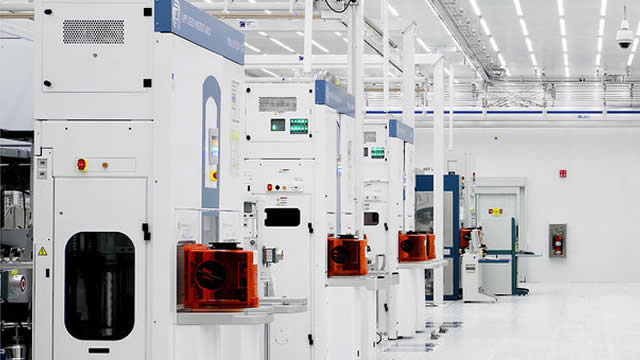
Is Elliott's stake in Synopsys stock your cue to buy?
Synopsys (NASDAQ: SNPS) is in focus this morning following reports that activist investor Elliott Investment Management has built a multi-billion-dollar stake in the silicon design specialist. Elliott plans on driving operational improvements at SNPS that it believes could position the firm to fully capture the rising artificial intelligence (AI) demand.

Chipmaker Pops on News of Billion-Dollar Investment
Chipmaker Synopsys Inc (NASDAQ:SNPS) is up 4.4% to trade at $438.88 this morning, after the Wall Street Journal reported that Elliott Investment Management has taken a multibillion-dollar stake in the company.

Elliott Investment Management takes multibillion-dollar stake in Synopsys, plans engagement
Activist investor Elliott Investment Management has amassed a multibillion-dollar stake in chip-design software company Synopsys Inc (NASDAQ:SNPS, XETRA:SYP), according to a report by The Wall Street Journal, citing people familiar with the matter. The report said Elliott plans to engage with the California-based company with a focus on improving how it monetizes its software and services portfolio.

Activist Elliott takes multibillion-dollar stake in Synopsys, WSJ reports
Activist investor Elliott Investment Management has a multibillion-dollar investment in Synopsys , the Wall Street Journal reported on Sunday, citing people familiar with the matter.

Activist Elliott Builds Big Stake in Chip-Design Software Maker Synopsys
Elliott plans to engage with Synopsys to push the business to make more money from its software and services, according to people familiar with the matter.

Synopsys Trades at Premium Valuation: Time to Hold Tight or Exit?
SNPS trades at a premium amid Design IP weakness and margin pressure, but strong AI-driven growth prospects keep the hold case intact.
Bamco Inc. NY Takes $11.74 Million Position in Synopsys, Inc. $SNPS
Bamco Inc. NY purchased a new position in Synopsys, Inc. (NASDAQ: SNPS) in the undefined quarter, according to the company in its most recent disclosure with the Securities and Exchange Commission. The institutional investor purchased 23,788 shares of the semiconductor company's stock, valued at approximately $11,737,000. Other hedge funds and other institutional investors
Banco Bilbao Vizcaya Argentaria S.A. Boosts Holdings in Synopsys, Inc. $SNPS
Banco Bilbao Vizcaya Argentaria S.A. boosted its holdings in shares of Synopsys, Inc. (NASDAQ: SNPS) by 67.6% in the third quarter, according to the company in its most recent Form 13F filing with the Securities and Exchange Commission. The fund owned 45,528 shares of the semiconductor company's stock after acquiring an additional 18,358
Benchmark Investment Advisors LLC Purchases New Shares in Synopsys, Inc. $SNPS
Benchmark Investment Advisors LLC purchased a new position in shares of Synopsys, Inc. (NASDAQ: SNPS) during the third quarter, according to its most recent disclosure with the Securities and Exchange Commission (SEC). The firm purchased 1,925 shares of the semiconductor company's stock, valued at approximately $950,000. A number of other institutional investors have




