



Uber Technologies, Inc. (UBER)














Uber's Next Robotaxi Deal: Amazon's Zoox
Uber is partnering with Amazon-owned Zoox to let riders book the company's small, boxy electric vans via the Uber app starting in Las Vegas this summer, with Los Angeles slated to follow in 2027.

Amazon's Zoox partners with Uber to reach more robotaxi riders — first in Las Vegas, then LA
Amazon's Zoox formed a multiyear partnership with Uber that will soon make the company's toaster-shaped robotaxis available via the popular ride-hailing app in the U.S. Uber plans to offer Zoox driverless rides in Las Vegas this summer, and in Los Angeles next year.
Is UBER's Cheap Valuation Reason Enough to Invest in the Stock?
Uber trades at a steep discount to industrial levels. Despite strong gross bookings growth and expansion moves, robotaxi competition and regulatory risks cloud the near-term outlook.
Uber (UBER) Up 0.3% Since Last Earnings Report: Can It Continue?
Uber (UBER) reported earnings 30 days ago. What's next for the stock?
Uber and Joby Aviation Team Up: Game Changer or Hype?
An estimated 110 million Americans are stuck in rush hour traffic every day, with drivers in highly congested cities losing as much as 100 hours per year to being stuck in traffic jams.
Gross Bookings Growth Bodes Well for Uber: What's Ahead?
UBER posts 22% Q4 gross bookings growth, led by mobility and delivery, and sees continued momentum with $52-$53.5B projected bookings for the March quarter.
Investors Heavily Search Uber Technologies, Inc. (UBER): Here is What You Need to Know
Recently, Zacks.com users have been paying close attention to Uber (UBER). This makes it worthwhile to examine what the stock has in store.

Uber Technologies, Inc. (UBER) Presents at Morgan Stanley Technology, Media & Telecom Conference 2026 Transcript
Uber Technologies, Inc. (UBER) Presents at Morgan Stanley Technology, Media & Telecom Conference 2026 Transcript
Uber Inks Deal With T&T Supermarket for Grocery Delivery In Canada
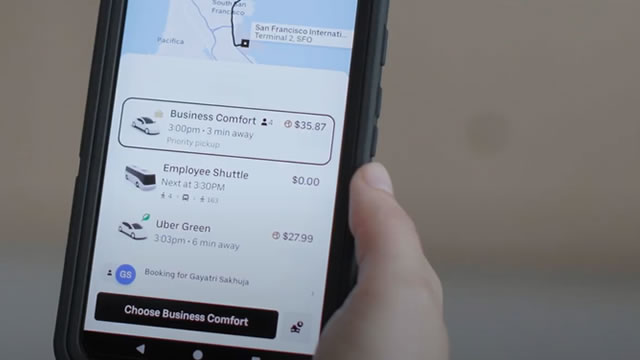
UBER expands grocery push as Uber Eats adds T&T Supermarket across Canada, giving customers on-demand access to Asian staples and specialty items.
Why Uber Stock's Rally Might Hit A Roadblock
Uber Technologies (UBER) has faced challenges in the past. Its stock has dropped by more than 30% within a period of less than two months on as many as four different occasions in recent years, resulting in a loss of billions in market value and negating significant gains in a single correction.
Uber: Market Uncertainty Has Discounted This High-Quality Stock
Market uncertainty regarding AV disruption has discounted Uber to an attractive 21x forward P/E and 13x forward P/FCF, offering a margin of safety for a high-quality market leader. UBER's margin expansion potential is misunderstood; AVs could improve take rates by removing substantial driver-related expenses currently embedded in cost structures. With a global user base of 200 million+, Uber's massive demand incentivizes AV providers to partner rather than compete, allowing Uber to maximize fleet utilization and exercise long-term pricing power.
Uber's latest effort to become a super app is all about parking
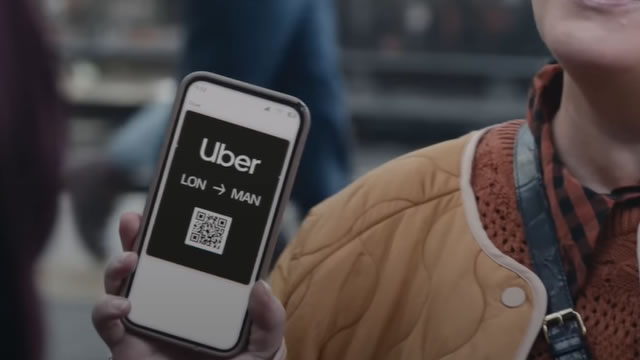
After expanding into areas like food delivery and freight, ride-share platform Uber, in its quest to be more things to more people, is now looking to solve one of the biggest nuisances of urban living — finding a parking spot.




