



UnitedHealth Group Incorporated (UNH)









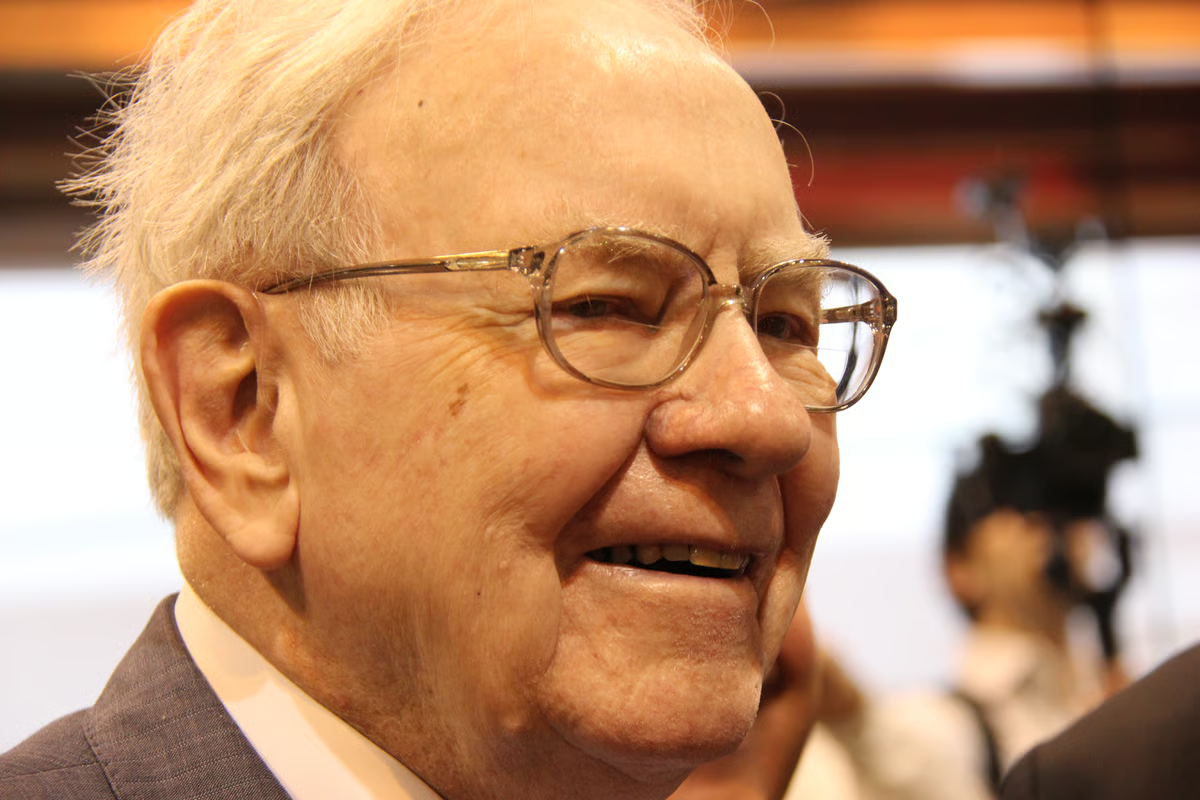
UnitedHealth Just Proved Warren Buffett Right -- Again
Investors are seeing why Buffett earned the nickname "the Oracle of Omaha."
B. Metzler seel. Sohn & Co. AG Lowers Stake in UnitedHealth Group Incorporated $UNH
B. Metzler seel. Sohn and Co. AG trimmed its holdings in UnitedHealth Group Incorporated (NYSE: UNH) by 28.4% in the fourth quarter, according to its most recent disclosure with the SEC. The fund owned 62,772 shares of the healthcare conglomerate's stock after selling 24,912 shares during the period. B. Metzler seel. Sohn and
UnitedHealth Group: Margin Expansion Will Drive Stock Price Higher
UnitedHealth Group demonstrates early evidence of recovery, with Q1-26 results exceeding expectations across MLR, revenue, and EPS metrics. UNH's margin recovery is ahead of schedule, driven by premium repricing, AI-driven cost savings, and plan restructuring, supporting a raised 2026 EPS target above $18.25. I forecast faster margin expansion, projecting operating margins to reach 8% by 2030, and estimate a $532 fair value per share, implying 54% upside.
Buy UnitedHealth or Intuitive Surgical Stock After Strong Q1 Results?
UnitedHealth's turnaround efforts are gaining traction, while Intuitive Surgical continues to benefit from long-term global adoption of robotic-assisted surgery.

Stock Of The Day: Will UnitedHealth Reverse?
UnitedHealth Group Incorporated (NYSE:UNH) is trending higher on Wednesday. The shares made a large move higher yesterday after the company — or Stock of the Day — reported earnings.

UnitedHealth Group: A 2026 Turnaround Story
UnitedHealth Group (UNH) has rebounded from last year's turmoil, posting strong Q1'26 results and raising its FY 2026 adjusted EPS outlook. UNH's Q1 revenues grew 2% Y/Y to $111.7B, with disciplined premium hikes and a 0.9 PP drop in the Medical Care Ratio to 83.9% vs. last year, boosting profitability. Shares surged 7% post-earnings and, at a 17.2X forward P/E, still trade 28% below UNH's historical valuation.
What's Going On With UnitedHealth Stock On Wednesday?
UnitedHealth Group Inc. (NYSE:UNH) shares are up on Wednesday as the company raised its profit outlook following a report indicating easing medical costs.

UnitedHealth Group Just Signaled Its Turnaround Is Finally Here
UnitedHealth Group (NYSE:UNH | UNH Price Prediction) delivered its most convincing quarter in over a year on April 21, 2026, posting a 9.38% EPS beat and raising full-year guidance, sending shares up 6.96% on the day to close at $346.01.
These Analysts Increase Their Forecasts On UnitedHealth After Upbeat Earnings
UnitedHealth Group (NYSE:UNH) posted upbeat first-quarter earnings beat and raised its full-year profit outlook on Tuesday.

Wall Street Piles Into UnitedHealth: Argus Upgrades to Buy as Three More Firms Raise Targets After Q1 Crushes Expectations
UnitedHealth Group (NYSE:UNH | UNH Price Prediction) just earned a strong endorsement from four Wall Street firms following a better-than-expected
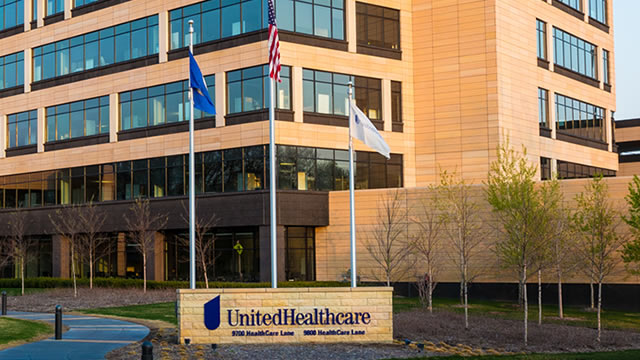
Analysts set UnitedHealth stock price target
Argus upgraded its UnitedHealth Group (NYSE: UNH) stock from “Hold” to “Buy” on Wednesday, April 22, with a price target of $400, implying 15% upside from the last close of $346.
Caliber Wealth Management LLC KS Has $4.41 Million Stake in UnitedHealth Group Incorporated $UNH
Caliber Wealth Management LLC KS boosted its position in shares of UnitedHealth Group Incorporated (NYSE: UNH) by 16.4% in the fourth quarter, according to the company in its most recent 13F filing with the Securities and Exchange Commission (SEC). The fund owned 13,368 shares of the healthcare conglomerate's stock after acquiring an additional




