



United Parcel Service, Inc. (UPS)










United Parcel Service (UPS) Stock Declines While Market Improves: Some Information for Investors
United Parcel Service (UPS) closed the most recent trading day at $97.16, moving 1.04% from the previous trading session.
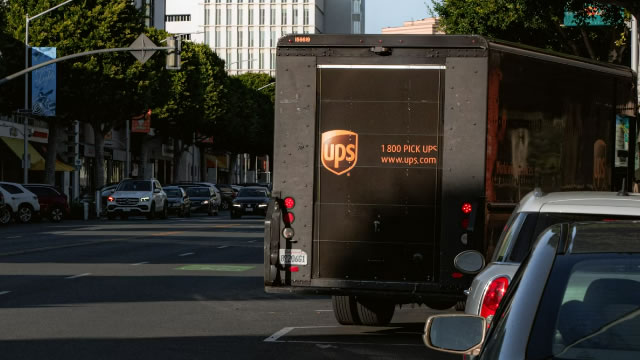
UPS, Teamsters reach settlement that caps driver severance offers
United Parcel Service said on Sunday that it had reached an agreement with the International Brotherhood of Teamsters to cap severance offers at 7,500 drivers after a dispute over the company's plans to cut its workforce.
UPS Boosts Its Presence in Asia Pacific With New Logistics Center
United Parcel Service opens its largest Asia Pacific logistics hub, a nearly $100M investment aimed at boosting automation, efficiency and global supply chain connectivity.
Here is What to Know Beyond Why United Parcel Service, Inc. (UPS) is a Trending Stock
Zacks.com users have recently been watching UPS (UPS) quite a bit. Thus, it is worth knowing the facts that could determine the stock's prospects.
United Parcel Service (UPS) Exceeds Market Returns: Some Facts to Consider
In the closing of the recent trading day, United Parcel Service (UPS) stood at $97.67, denoting a +1.89% move from the preceding trading day.
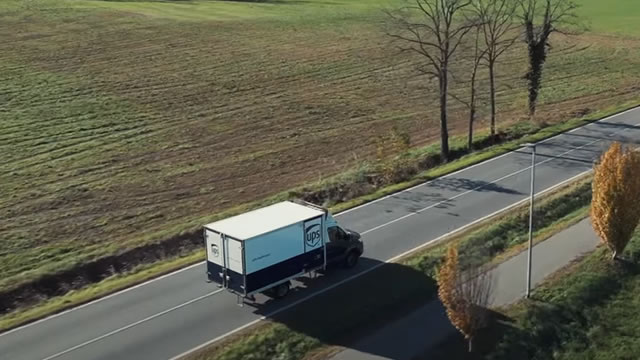
UPS Has Shed 18% in the Past Month as Its Amazon Breakup Enters the Final Stretch
Still one of the most notable vehicles on the road, United Parcel Service ( NYSE:UPS ) has shed 18.48% over the past month, with shares near $97 after briefly touching $116.63 in the 30 days following January earnings.
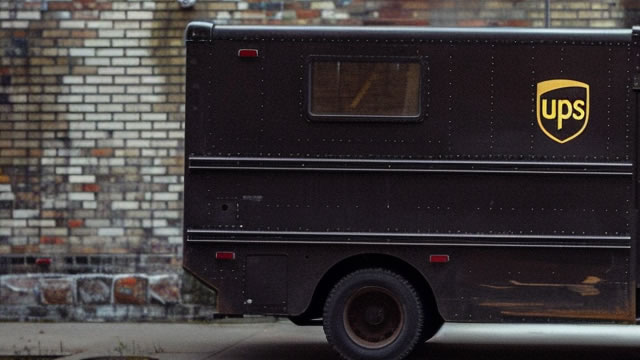
5 Things Every UPS Investor Needs to Know
Fuel surcharges can offset or exceed UPS's direct fuel cost increases. Purchased transportation costs are a significant risk if fuel prices stay high.
FORA Capital LLC Boosts Stock Position in United Parcel Service, Inc. $UPS
FORA Capital LLC raised its stake in United Parcel Service, Inc. (NYSE: UPS) by 135.2% during the undefined quarter, according to its most recent filing with the Securities and Exchange Commission. The fund owned 59,406 shares of the transportation company's stock after purchasing an additional 34,152 shares during the quarter. United Parcel Service
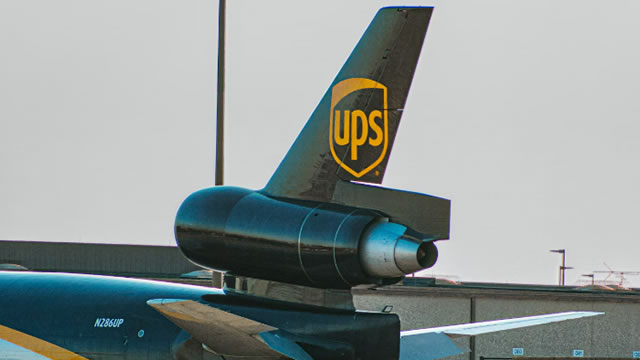
United Parcel Service (UPS) Suffers a Larger Drop Than the General Market: Key Insights
The latest trading day saw United Parcel Service (UPS) settling at $97.89, representing a -2.89% change from its previous close.

Is Trending Stock United Parcel Service, Inc. (UPS) a Buy Now?
UPS (UPS) has been one of the stocks most watched by Zacks.com users lately. So, it is worth exploring what lies ahead for the stock.

UPS Falls 11% — And FedEx Just Stole Its Crown
United Parcel Service (NYSE:UPS) stock traded at $100.49 as of midday Wednesday, down nearly 11% over the past week.
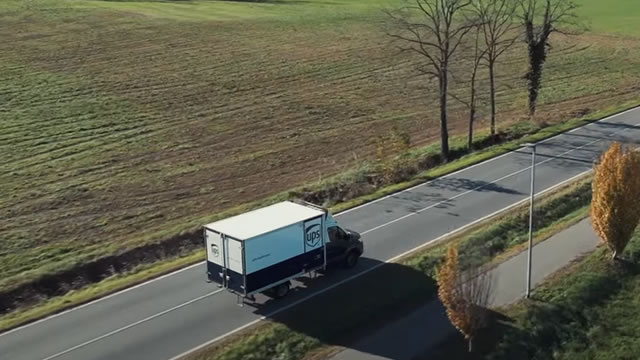
How Low Can UPS Stock Go?
United Parcel Service (UPS) stock has decreased by 11.7% over the past 5 trading days. This recent decline reflects renewed worries regarding its network reconfiguration, shifts in Amazon volume, and margin pressures.




