



Visa Inc. Class A (V)














Visa Turns A2A Fraud Risk Into a New Growth Opportunity
Visa is turning A2A fraud protection into a growth opportunity, using AI to detect scams earlier while opening new software revenue streams.
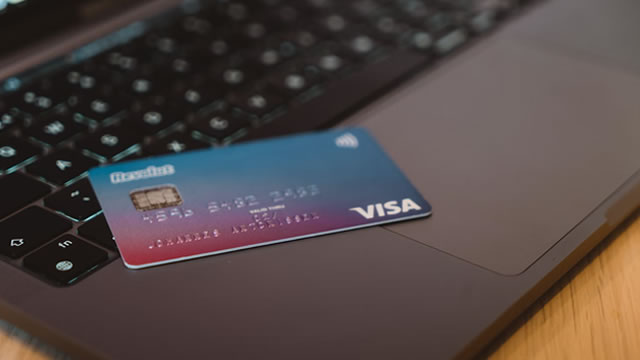
Visa Debuts Enhanced Version of A2A Fraud Prevention Tool
Visa has introduced new tools to help banks prevent account-to-account (A2A) fraud. The payments giant on Tuesday (Sept.
Why Visa (V) is a Top Stock for the Long-Term
The Zacks Focus List offers investors a way to easily find top-rated stocks and build a winning investment portfolio. Here's why you should take advantage.
Bill Ackman Just Bought Visa, Mastercard, and S&P Global Stock. Each One Collects a Toll on Somebody Else's Sale.
Pershing Square disclosed new stakes of about $1.1 billion each in Visa, Mastercard, and S&P Global as of June 30. The three positions combined accounted for about 17% of Pershing Square's $19.5 billion U.S. stock portfolio.
Visa Rolls Out AI-Powered Cyber Vulnerability Patching for Clients
Visa expanded the capabilities of its artificial intelligence-powered cyber risk management tool, Visa Vulnerability Agentic Harness (VVAH), to include not only discovery of vulnerabilities but also remediation and validation, the company said in a Thursday (Aug. 27) press release. Visa initially released VVAH in June after participating in Anthropic's frontier AI cybersecurity initiative, Project Glasswing.

Why Is Visa (V) Up 4.1% Since Last Earnings Report?
Visa (V) reported earnings 30 days ago. What's next for the stock?
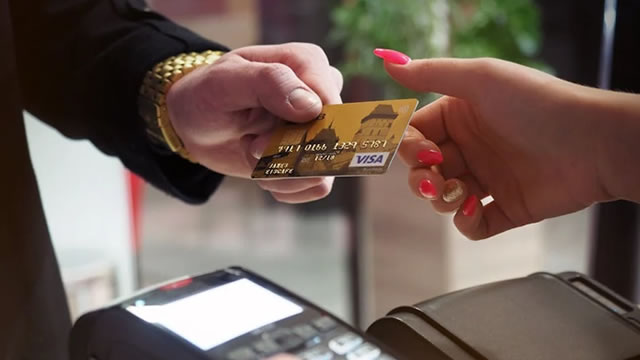
Can Visa's Bluefin Partnership Strengthen Its Merchant Growth?
Visa's Bluefin partnership combines payment security, routing and device management. The move could deepen merchant relationships and expand Visa's acceptance solutions.
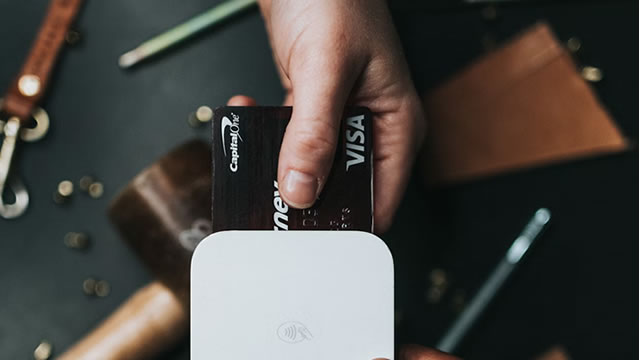
Will Visa's BLOOM Initiative Give It an Edge in Digital Payments?
V's BLOOM initiative could accelerate stablecoin settlement, boost cross-border efficiency and help shape digital-payment interoperability.

Visa or Mastercard: One Stock Will Outpace the Other at Record Highs — Here's Our Pick
Both Visa (NYSE:V | V Price Prediction) and Mastercard (NYSE:MA) closed at fresh record highs on August 24, with Visa up 3.06% to $382.41 and Mastercard up 3.31% to $599.86, capping a rally that reflects a still-resilient U.S.

Visa and Bluefin Introduce Card-Present Acceptance Offering
Visa has launched a partnership with payment and data security infrastructure firm Bluefin. This collaboration has yielded a new card-present acceptance offering that combines Visa's global payment capabilities and Bluefin's security infrastructure, the companies announced Tuesday (Aug. 25).

Visa and Mastercard shares hit fresh records, underscoring a resilient U.S. consumer
Aggregate spending has been strong, even if American shoppers are getting choosier about what they buy.
Which Credit Card Stock Has Dominated in 2026: Visa, Mastercard, or American Express?
Among the three U.S. credit-card giants that investors often trade almost interchangeably, Visa (NYSE:V | V Price Prediction) has dominated 2026 so far.




