










Summary
WMT Chart
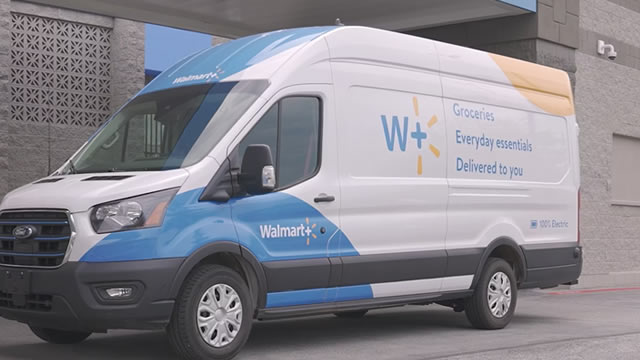
WMT's U.S. Segment Momentum: Are 4.6% Comp Sales Sustainable for FY27?
Walmart delivers 4.6% comp growth in Walmart U.S. for FY26, fueled by traffic, grocery strength and e-commerce momentum heading into FY27.
Here is What to Know Beyond Why Walmart Inc. (WMT) is a Trending Stock
Recently, Zacks.com users have been paying close attention to Walmart (WMT). This makes it worthwhile to examine what the stock has in store.
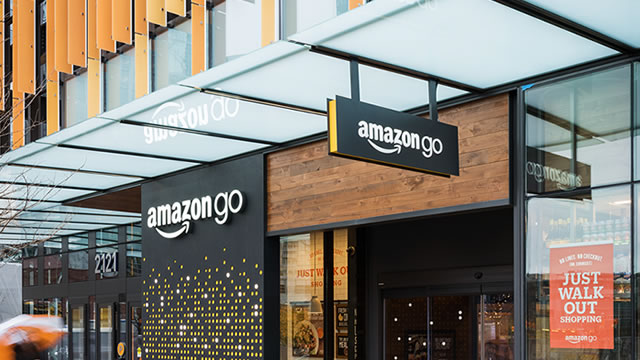
ETFs in Focus as Walmart Loses Its Largest Retailer Title to Amazon
VCR and peers offer diversified exposure as Amazon tops Walmart with $716.9B in 2025 revenues, powered by AWS and a $60B ad business.
Walmart Inc. (WMT) FAQ
What is the stock price today?
On which exchange is it traded?
What is its stock symbol?
Does it pay dividends? What is the current yield?
What is its market cap?
Has Walmart Inc. ever had a stock split?
Walmart Inc. Profile
| Broadline Retail Industry | Consumer Discretionary Sector | Mr. John R. Furner CEO | XSGO Exchange | US9311421039 ISIN |
| BR Country | 2,100,000 Employees | 4 Jan 2027 Last Dividend | 26 Feb 2024 Last Split | 25 Aug 1972 IPO Date |
Overview
Walmart Inc. is a global retail and wholesale giant that operates in various formats including retail, wholesale, other units, and eCommerce worldwide. The company's operations are categorized into three segments: Walmart U.S., Walmart International, and Sam's Club. Walmart Inc. is involved in running a wide array of store types such as supercenters, supermarkets, hypermarkets, warehouse clubs, and discount stores under the Walmart and Walmart Neighborhood Market brands. Furthermore, it also operates membership-only warehouse clubs alongside a variety of eCommerce websites like walmart.com.mx, walmart.ca, flipkart.com, PhonePe, among others, in addition to mobile commerce applications. The company, originally known as Wal-Mart Stores, Inc., rebranded itself to Walmart Inc. in February 2018, symbolizing its broadened focus beyond physical stores. Founded in 1945, with its headquarters located in Bentonville, Arkansas, Walmart has become synonymous with offering a vast range of products and services at competitive prices to customers across the globe.
Products and Services
- Grocery and Consumables: Includes products like dairy, meat, bakery, deli, produce, dry, chilled or frozen packaged foods, alcoholic and nonalcoholic beverages, floral, snack foods, candy, health and beauty aids, paper goods, laundry and home care, baby care, pet supplies, and consumable items.
- Fuel and Tobacco: Walmart also retails fuel and tobacco products across select locations.
- Health and Wellness: Offers pharmacy services, optical and hearing services, over-the-counter drugs, and other medical products to customers, ensuring their health and wellness needs are met.
- Home and Apparel: The company’s portfolio includes a vast range of products for home improvement, outdoor living, gardening, furniture, apparel, jewelry, tools and power equipment, housewares, toys, seasonal items, mattresses, and tire and battery centers.
- Consumer Electronics: A wide selection of consumer electronics and accessories, software, video games, office supplies, appliances, and third-party gift cards are available, catering to the diverse needs of customers.
- Financial Services and Digital Payments: Walmart operates digital payment platforms and offers financial services and related products such as money transfers, bill payments, money orders, check cashing, prepaid access, co-branded credit cards, installment lending, and earned wage access, facilitating convenient financial transactions for customers.
- Private Brands: Markets a range of merchandise under private brands including Allswell, Athletic Works, Equate, and Free Assembly, offering quality and value across various product categories.




