



Advanced Micro Devices, Inc. (AMD)

















Advanced Micro Devices, Inc. (AMD) is Attracting Investor Attention: Here is What You Should Know
Zacks.com users have recently been watching Advanced Micro (AMD) quite a bit. Thus, it is worth knowing the facts that could determine the stock's prospects.
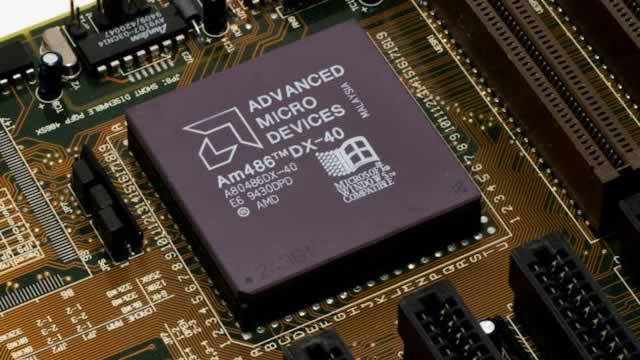
AMD: Catching The AI Second-Wave Surge
AMD is gaining traction in AI computing through major partnerships (OpenAI, Meta, OCI) and a growing data center business, signaling durable AI tailwinds beyond one-off projects. Strong CPU and gaming revenue growth provides a resilient foundation, reducing uncertainties of cyclical PC demand or AI expansion. ROCm 7 open-source AI stack, MI450 systems, and Helios HPC racks improve performance, developer access, and second-source credibility versus Nvidia, widening AMD's competitive moat.

AMD vs. Intel: Which Chipmaker Is Poised for Explosive Data Center Growth?
AMD has witnessed meaningful success following the launch of its MI300 and MI400 series GPUs. Intel's data center business has demonstrated inconsistent results.

MU or AMD: Which Is the Better Value Stock Right Now?
Investors with an interest in Computer - Integrated Systems stocks have likely encountered both Micron (MU) and Advanced Micro Devices (AMD). But which of these two stocks is more attractive to value investors?

AMD Rides on Accelerating Data Center Growth: A Sign of More Upside?
AMD's soaring Data Center sales, fueled by EPYC processors and Instinct GPUs, highlight robust demand and strong growth expectations into late 2025.
Tech Stocks That Are Down Today: AMD, Palo Alto Networks, DataDog and Micron Technology
After yesterday's debacle in which approximately $1 trillion in market capitalization was erased from the stock market, some technology stocks are still hunting a bottom.

AMD Sees Growth Tailwinds With Inferencing (Rating Upgrade)
Advanced Micro Devices, Inc. is rated Buy with a $286 price target, driven by strong Data Center growth and a major OpenAI partnership. AMD's market share gains in Client Compute and ongoing GPU refresh cycles among hyperscalers position AMD for margin-accretive growth. The OpenAI deal, expanding AI infrastructure, and a healthy balance sheet support robust long-term revenue and earnings outlook for AMD.

AMD: Q3 Beat, AI GPU Pipeline, Investor Day Sets A High Bar (Rating Upgrade)
Advanced Micro Devices, Inc. delivered record Q3 results with $9.2B revenue, driven by strong Data Center, AI, Server, and PC demand. AMD's data center and client/gaming segments posted robust growth, with ambitious AI and data center roadmaps targeting $100B revenue by 2030. Despite risks from competition, geopolitics, and high expectations, AMD's balance sheet, cash flow, and product pipeline remain strong.

AMD: Trillion-Dollar Market Cap In Sight - Upgrade To Buy
Advanced Micro Devices, Inc. has reported great growth tailwinds across the expanding x86 market share, the improving data center monetization opportunities, and the ambitious long-term targets. These growth engines imply the potential expansion in its market capitalization to over $1T, allowing the company to eventually join the Trillion Dollar club alongside NVDA and AVGO. I am also impressed by AMD's growing bullish support at current levels, as observed in the sideways trading cadence during the market wide meltdown.

As AMD Stock Crashes, Should You Buy More?
Advanced Micro Devices (AMD) stock has dropped by 22.1% in under a month, from $264.33 on 29th Oct, 2025 to $206.02 currently. What happens next?

Sector Peers Struggle Following Nvidia's Blowout Results
While Nvidia's (NVDA) earnings report is lifting many Big Tech names today, Advanced Micro Devices Inc (NASDAQ:AMD) and Micron Technology Inc (NASDAQ:MU) are not so happy to see their competitor thrive, despite renewed AI trade optimism.

AMD's stock looks like a winner after Nvidia earnings. These other AI plays do too.
Nvidia's third-quarter earnings beat alleviated AI bubble fears and sent tech shares rising across the market.




