



Boeing Company (BA)













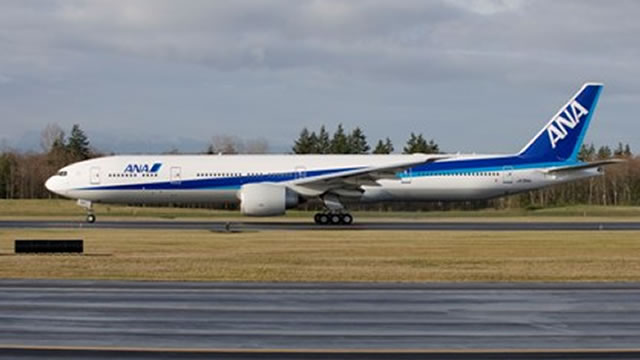
Countdown to Boeing (BA) Q4 Earnings: A Look at Estimates Beyond Revenue and EPS
Beyond analysts' top -and-bottom-line estimates for Boeing (BA), evaluate projections for some of its key metrics to gain a better insight into how the business might have performed for the quarter ended December 2024.
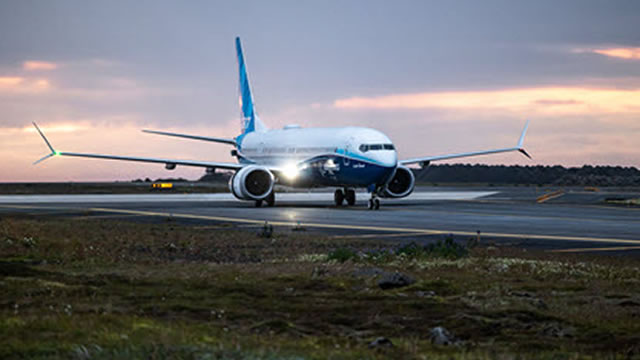
Union investigates claims that Boeing is sending work to non-union locations
Boeing's engineering union is formally investigating claims from its members that the company is moving work to non-union locations in the United States and overseas.

Trump transportation nominee will keep Boeing 737 MAX production cap in place
President Donald Trump's nominee to head the U.S. Transportation Department said he will keep in place a cap on production of Boeing 737 MAX planes put in place after a mid-air panel blowout last year until he is satisfied it can be safely raised.
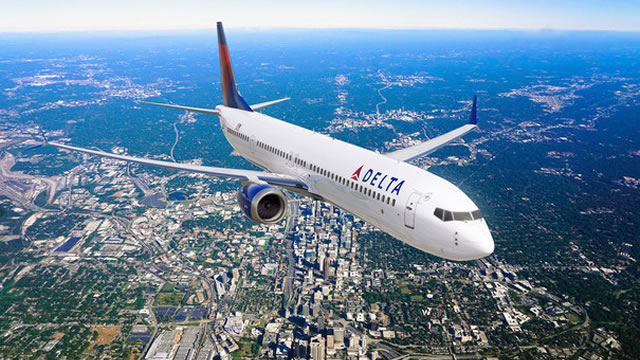
Q4 Preview: Boeing's Potential Path To $500 (Rating Upgrade)
Boeing's stock is currently undervalued, with a potential 12-month price target of $225, driven by improved management and strategic upgrades. New CEO Robert Ortberg's leadership and better-than-expected earnings guidance could catalyze a significant turnaround for Boeing. Boeing's sales are projected to reach $100-$110 billion by 2026, with potential EPS growth to $15 by 2028.

Boeing Stock Pre-Q4 Earnings: Should You Buy Now or Wait?
Investors interested in BA stock should wait for a better entry point, considering its elevated leverage and a downward revision in its earnings estimates.

MoneyShow's Best Investment Ideas For 2025: Part 5
MoneyShow presents top investment ideas for 2025 from their contributors. This year's edition presents a broad mix of theme-based stock picks, momentum-driven high-flyers and beaten-up stocks with turnaround potential, along with some speculative plays and ETFs. Part 5 includes Boeing, Warby Parker, SentinelOne, Dutch Bros, Tilray Brands and SFL, among others.

Earnings Preview: Boeing (BA) Q4 Earnings Expected to Decline
Boeing (BA) doesn't possess the right combination of the two key ingredients for a likely earnings beat in its upcoming report. Get prepared with the key expectations.
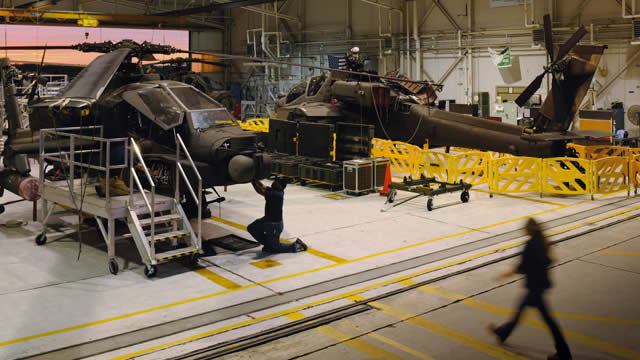
Boeing: No Surprise On Loss As Airbus Books, Bills $56 Billion More Airplanes
Boeing faced severe quality issues and production delays, leading to a 71% drop in net orders and a 34% decline in deliveries. Airbus also experienced a challenging year but outperformed Boeing, with a 60% drop in net orders but a 4% increase in deliveries. Airbus booked twice as many net orders as Boeing, with a more balanced split between single aisle and wide body aircraft.
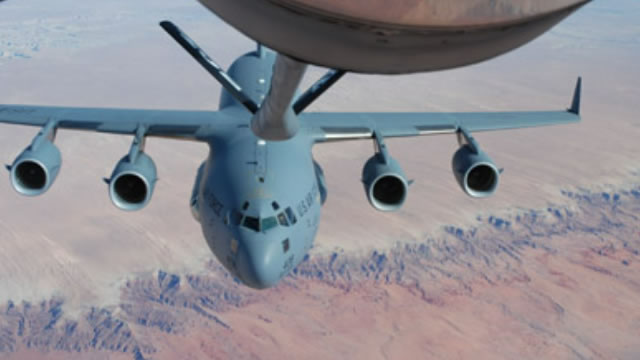
Boeing's Q4 Commercial & Defense Deliveries Decline Y/Y
BA records a year-over-year decrease of 63.7% and 33.3% in commercial and defense shipments, respectively, in the fourth quarter of 2024.
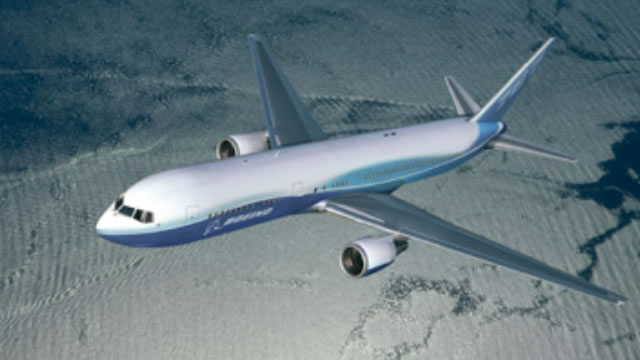
Boeing Secures a Contract for Sustainment of KC-46 Tanker Aircraft
BA's wide-body, multirole tanker is compatible with all U.S. allied and coalition military aircraft.
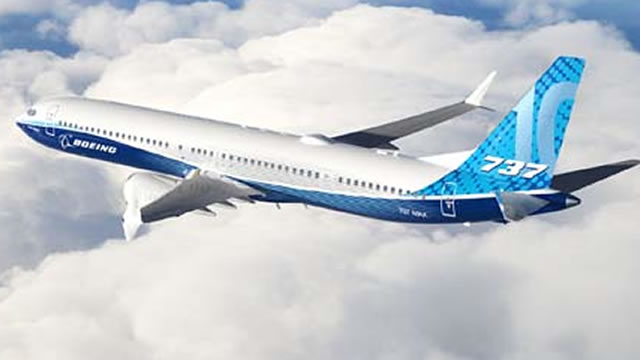
Bird feathers, blood found in two engines of Boeing jet that crashed in South Korea -source
Investigators found bird feathers and blood in the two engines of the Boeing jet that crashed in South Korea on Dec. 29, a person familiar with the probe told Reuters on Friday.
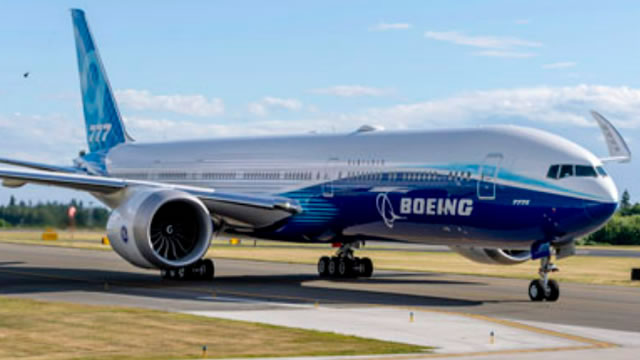
Boeing resumes 777X test flights after grounding in August
Boeing resumed testing for its long-delayed 777X widebody jet on Thursday, with the first flight since the U.S. planemaker grounded the test fleet in August due to the failure of a key engine mounting structure.




