



CenterPoint Energy Inc. (CNP)







CenterPoint Energy (CNP) Lags Q3 Earnings and Revenue Estimates
CenterPoint Energy (CNP) came out with quarterly earnings of $0.31 per share, missing the Zacks Consensus Estimate of $0.36 per share. This compares to earnings of $0.40 per share a year ago.

Insights Into CenterPoint (CNP) Q3: Wall Street Projections for Key Metrics
Evaluate the expected performance of CenterPoint (CNP) for the quarter ended September 2024, looking beyond the conventional Wall Street top-and-bottom-line estimates and examining some of its key metrics for better insight.

CenterPoint Energy to Post Q3 Earnings: What's in Store for the Stock?
CNP's Q3 results are likely to reflect the benefits of a warmer-than-normal weather pattern. However, higher interest rate expenses may have hurt earnings.

CenterPoint Energy (CNP) Earnings Expected to Grow: What to Know Ahead of Next Week's Release
CenterPoint (CNP) doesn't possess the right combination of the two key ingredients for a likely earnings beat in its upcoming report. Get prepared with the key expectations.
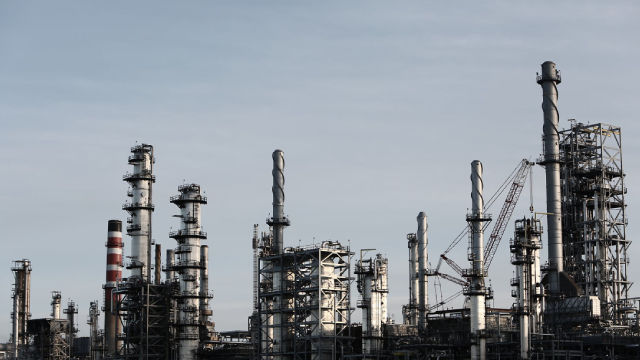
CenterPoint Inks Deal With Neara to Enhance Electric Resiliency
CNP's deal with Neara should help reduce customer outages. This move is in sync with the company's objective to become the most resilient coastal electric grid in the country.
FE or CNP: Which Is the Better Value Stock Right Now?
Investors interested in Utility - Electric Power stocks are likely familiar with FirstEnergy (FE) and CenterPoint Energy (CNP). But which of these two companies is the best option for those looking for undervalued stocks?

SHAREHOLDER ALERT: Pomerantz Law Firm Investigates Claims On Behalf of Investors of CenterPoint Energy, Inc. - CNP
NEW YORK, NY / ACCESSWIRE / August 19, 2024 / Pomerantz LLP is investigating claims on behalf of investors of CenterPoint Energy, Inc. ("CenterPoint" or the "Company") (NYSE:CNP). Such investors are advised to contact Danielle Peyton at [email protected] or 646-581-9980, ext.

CenterPoint Energy Inc Shareholders Urged To Participate In Fraud Investigation With The Schall Law Firm
LOS ANGELES, CA / ACCESSWIRE / August 19, 2024 / The Schall Law Firm, a national shareholder rights litigation firm, announces that it is investigating claims on behalf of investors of CenterPoint Energy, Inc. ("CenterPoint" or "the Company") (NYSE:CNP) for violations of the securities laws. The investigation focuses on whether the Company issued false and/or misleading statements and/or failed to disclose information pertinent to investors.

Investors With Losses In CenterPoint Energy Inc Encouraged To Join Fraud Investigation With The Schall Law Firm
LOS ANGELES, CA / ACCESSWIRE / August 18, 2024 / The Schall Law Firm, a national shareholder rights litigation firm, announces that it is investigating claims on behalf of investors of CenterPoint Energy, Inc. ("CenterPoint" or "the Company") (NYSE:CNP) for violations of the securities laws. The investigation focuses on whether the Company issued false and/or misleading statements and/or failed to disclose information pertinent to investors.

CenterPoint Energy Inc Shareholders Invited To Partake In Fraud Investigation With The Schall Law Firm
LOS ANGELES, CA / ACCESSWIRE / August 17, 2024 / The Schall Law Firm, a national shareholder rights litigation firm, announces that it is investigating claims on behalf of investors of CenterPoint Energy, Inc. ("CenterPoint" or "the Company") (NYSE:CNP) for violations of the securities laws. The investigation focuses on whether the Company issued false and/or misleading statements and/or failed to disclose information pertinent to investors.

CenterPoint Energy Inc Investors Encouraged To Join Fraud Investigation With The Schall Law Firm
LOS ANGELES, CA / ACCESSWIRE / August 16, 2024 / The Schall Law Firm, a national shareholder rights litigation firm, announces that it is investigating claims on behalf of investors of CenterPoint Energy, Inc. ("CenterPoint" or "the Company") (NYSE:CNP) for violations of the securities laws. The investigation focuses on whether the Company issued false and/or misleading statements and/or failed to disclose information pertinent to investors.

CenterPoint Energy Inc Shareholders Asked To Participate In The Fraud Investigation With The Schall Law Firm
LOS ANGELES, CA / ACCESSWIRE / August 15, 2024 / The Schall Law Firm, a national shareholder rights litigation firm, announces that it is investigating claims on behalf of investors of CenterPoint Energy, Inc. ("CenterPoint" or "the Company") (NYSE:CNP) for violations of the securities laws. The investigation focuses on whether the Company issued false and/or misleading statements and/or failed to disclose information pertinent to investors.




