



The Coca-Cola Company (KO)














Pepsi vs Coca-Cola Stock: Cramer Declares A Winner As Pepsi's Dividend Hits 4%
PepsiCo kicked off its 26th NFL season campaign, “Tailgating Deserves Pepsi,” featuring Pro Football Hall of Famer Jerome Bettis as the “Pepsi gameday ref” alongside Justin Jefferson, complete with a free Pepsi Zero Sugar 12-pack offer running September 9 through
Coca-Cola's Premiumization Push: Smart Strategy or Risky Move?
KO is balancing premiumization with affordability, using brand strength, packaging variety and pricing to target consumers across income levels.

Andrew Sather: “Most Investors Are Missing Why” Coca-Cola Is Outperforming
Andrew Sather says most investors only understand one of the two engines driving stock returns, and missing the second one is exactly why a name as familiar as Coca-Cola keeps catching people off guard.
Is Coca-Cola Still an Elite Dividend Stock? Here's What the Numbers Say
Coca-Cola just extended a dividend streak that spans six decades, but a surging stock price and a tight payout ratio raise real questions about whether this legendary income name still delivers for buyers entering today.
Coca-Cola Stock Is Up 26% in 2026: What Will It Take to Break Through $100?
Coca-Cola (NYSE:KO | KO Price Prediction) has quietly led consumer defensive names in 2026, and the story reflects a divergence within beverages more than any single earnings surprise.
Coca-Cola Margin Outlook: Pricing Power or Cost Relief Driving Gains?
KO's margin gains reflect pricing, revenue growth management and structural efficiencies, with cost relief playing a supporting role.
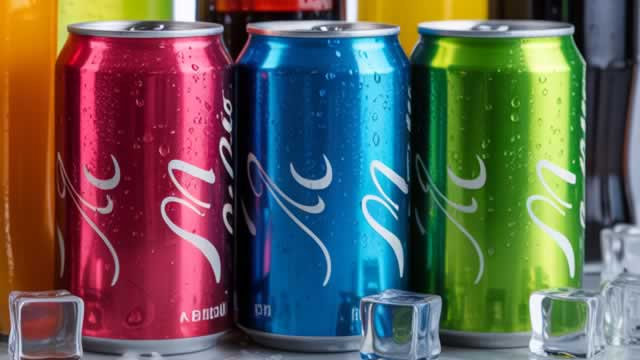
2 Dividend Kings, 2 Crises: Why Coca-Cola and Exxon Face Divergent Payout Pressures
Coca-Cola and Exxon both carry decades-long dividend streaks and nearly identical yields, but the pressure threatening each payout originates in completely different parts of the business, and only one company can fix its problem with a single phone call.
Coca-Cola (KO) Upgraded to Buy: Here's What You Should Know
Coca-Cola (KO) has been upgraded to a Zacks Rank #2 (Buy), reflecting growing optimism about the company's earnings prospects. This might drive the stock higher in the near term.
Coca-Cola (KO) Up 1.1% Since Last Earnings Report: Can It Continue?
Coca-Cola (KO) reported earnings 30 days ago. What's next for the stock?

Coca-Cola (KO) Declines More Than Market: Some Information for Investors
Coca-Cola (KO) reached $90.16 at the closing of the latest trading day, reflecting a -1.62% change compared to its last close.

Coca-Cola Is No Longer Just a Dividend Stock
Coca-Cola (NYSE:KO | KO Price Prediction) is evolving from a bond-proxy dividend aristocrat into a growth compounder.

Coca-Cola Faces Consumer Health Trend Shifts: Threat to Core Business?
KO adapts to shifting beverage preferences as flagship and diversified brands grow, while innovation expands its reach across drinking occasions.




