



Merck & Co., Inc. (MRK)









Merck's Keytruda Drives its 2025 Revenue Surge: What's Ahead?
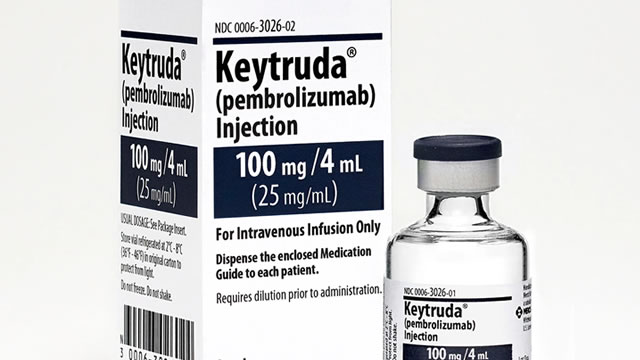
Merck MRK has a strong foothold in the oncology market, primarily supported by its biggest revenue driver, Keytruda. The blockbuster PD-1 inhibitor accounts for around 55% of the company's pharmaceutical sales and has played an instrumental role in driving Merck's steady revenue growth over the past few years.
Merck (MRK) Stock Dips While Market Gains: Key Facts
In the latest trading session, Merck (MRK) closed at $121.41, marking a -1.95% move from the previous day.
Is It Worth Investing in Merck (MRK) Based on Wall Street's Bullish Views?
When deciding whether to buy, sell, or hold a stock, investors often rely on analyst recommendations. Media reports about rating changes by these brokerage-firm-employed (or sell-side) analysts often influence a stock's price, but are they really important?

Here is What to Know Beyond Why Merck & Co., Inc. (MRK) is a Trending Stock
Recently, Zacks.com users have been paying close attention to Merck (MRK). This makes it worthwhile to examine what the stock has in store.
Merck creates separate oncology arm ahead of Keytruda patent loss
Merck said on Monday that it will split its human-health operations into two separate divisions, a move designed to sharpen focus across its portfolio and ensure smoother launches of new medicines. The move comes as the drugmaker seeks to prepare for mounting sales pressure later this decade, driven by the looming loss of exclusivity for its top-selling cancer drug Keytruda, which will also expose it to lower-cost copycat competition.
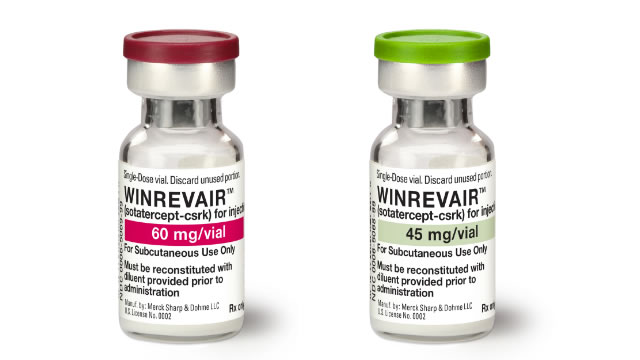
Merck reportedly ready to the splits as Keytruda patent cliff looms. Market shrugs
Investors gave a collective meh to news that Merck & Co Inc (NYSE:MRK, XETRA:6MK) is reportedly restructuring its human-health division, with shares marking time in premarket trading despite a reorganisation that signals the US drugmaker is bracing for the biggest revenue hit in its recent history. The Wall Street Journal reported on Monday that Merck plans to separate its human-health operations into two distinct divisions.
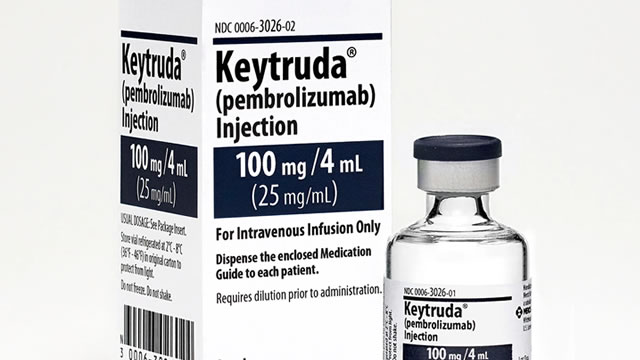
Merck to create separate cancer business to offset Keytruda patent loss, WSJ reports
Drugmaker Merck is separating its human-health business into two divisions to offset pressures related to the patent loss of its top-selling drug Keytruda, the Wall Street Journal reported on Monday.

Merck is establishing a separate cancer unit. The reorganization of its pharmaceutical business is aimed at bolstering product launches ahead of a key patent loss.
The drugmaker is splitting its pharmaceuticals unit to bolster product launches before a crucial patent loss.
Merck: Why Investors Should Remain Bullish Despite Patent Risks
Merck started 2026 on a high note. On February 13, its stock reached a 52-week high of $123.3. One of the key reasons Merck is once again becoming a Wall Street favorite is the 6.8% year-over-year increase in sales of pembrolizumab franchise to $8.37 billion in Q4.
Merck Indicates Better Growth Visibility in Post-Keytruda LOE Period
MRK outlines solid long-term outlook with more than $70B opportunity beyond Keytruda LOE, backed by pipeline progress, new product launches and M&A deals.
MRK Up More Than 7% on Improved Long-Term Prospects: Still a Sell?
Merck stock has risen more than 7% in a month on a stronger long-term outlook, but 2026 headwinds, Keytruda patent risk and Gardasil slump keep it a Sell.
Is Merck (MRK) a Buy as Wall Street Analysts Look Optimistic?
The recommendations of Wall Street analysts are often relied on by investors when deciding whether to buy, sell, or hold a stock. Media reports about these brokerage-firm-employed (or sell-side) analysts changing their ratings often affect a stock's price.




