



Merck & Co., Inc. (MRK)









Merck no longer in talks to buy Revolution Medicines, WSJ reports
Merck is no longer in discussions to buy cancer drug developer Revolution Medicines , the Wall Street Journal reported on Sunday.
Merck No Longer in Talks to Buy Revolution Medicines
The drugmaker had recently been in discussions to acquire RevMed in a deal that could have valued the cancer-drug biotech at around $30 billion.
Merck (MRK) Rises Higher Than Market: Key Facts
Merck (MRK) concluded the recent trading session at $111.11, signifying a +1.52% move from its prior day's close.
Will Weak Gardasil Sales Continue to Ail MRK Revenues in Q4 Earnings?
Gardasil's sharp sales slump in China and Japan puts Merck under pressure heading into Q4 earnings, with the vaccine's sales expected to stay under strain.
Why Merck's 32% Rally Isn't Enough to Change the Bearish View
MRK is up over 32% in three months, but declining estimates, Keytruda's upcoming LOE and Gardasil declines keep the stock sell-rated.
Is Merck Stock A Trap At $110?
Merck stock surged more than 10% in a month after management delivered a confidence shock on January 12th. They're now projecting that their next-generation drugs—treatments for cardiometabolic, respiratory, and infectious diseases—will yield $70 billion by the mid-2030s.
Will Keytruda Continue to Aid Merck's Top Line in Q4 Earnings?
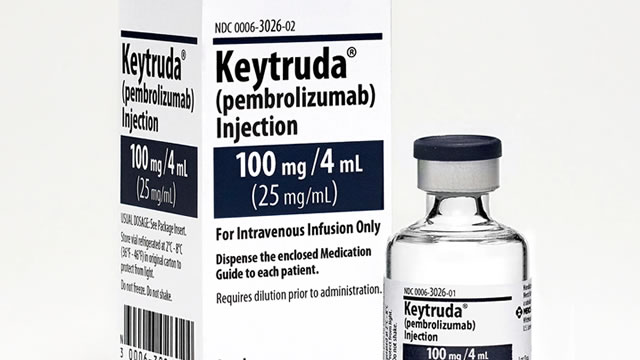
Keytruda drives over half of MRK's pharma revenues, but softer Q3 sales put investor focus on whether the blockbuster drug can lift Q4 sales performance.

Merck & Co., Inc. (MRK) Presents at 44th Annual J.P. Morgan Healthcare Conference Transcript
Merck & Co., Inc. (MRK) Presents at 44th Annual J.P. Morgan Healthcare Conference Transcript

Wall Street Bulls Look Optimistic About Merck (MRK): Should You Buy?
Investors often turn to recommendations made by Wall Street analysts before making a Buy, Sell, or Hold decision about a stock. While media reports about rating changes by these brokerage-firm employed (or sell-side) analysts often affect a stock's price, do they really matter?

Merck is in talks to acquire Revolution Medicines in a deal that could value the cancer-drug biotech at around $30 billion
Revolution is developing drugs that target a molecular driver of cancers.

Merck in Talks to Buy Revolution Medicines Per Financial Times Report
Merck is in talks to acquire RVMD, which could bolster its oncology pipeline, according to a Financial Times report.
Merck (MRK) Surpasses Market Returns: Some Facts Worth Knowing
Merck (MRK) concluded the recent trading session at $110.99, signifying a +2.2% move from its prior day's close.




