



Merck & Co., Inc. (MRK)









Can Merck Successfully Steer Through the Upcoming Headwinds?
MRK faces looming Keytruda LOE, falling Gardasil sales and pricing pressure, but new products, pipeline and planned cost savings aim to offset the headwinds.

Here's Why Merck (MRK) is a Strong Growth Stock
Whether you're a value, growth, or momentum investor, finding strong stocks becomes easier with the Zacks Style Scores, a top feature of the Zacks Premium research service.
Merck's Deep Pipeline And Cash Flow Strength Support The Bull Case
Merck is reiterated as a buy, with the price target raised to $114, reflecting robust Q3 results and strong technical momentum. Q3 saw non-GAAP EPS of $2.58 (vs. $2.35 consensus) and revenue of $17.3B, driven by Keytruda, Gardasil, and disciplined cost management. Pipeline strength, including 80 Phase III trials and the Verona Pharma acquisition, positions MRK for growth beyond Keytruda's patent cliff.
Merck (MRK) Rises Higher Than Market: Key Facts
In the latest trading session, Merck (MRK) closed at $100.69, marking a +1.52% move from the previous day.
MRK Gets Positive CHMP Opinion for Expanded Use of Winrevair in PAH
Merck secures a positive CHMP opinion to expand Winrevair's PAH use, potentially broadening treatment to adult patients across WHO FC II-IV.

Can MRK's New Drugs & Pipeline Help Navigate the Looming Keytruda LOE?
Merck leans on a fast-growing pipeline and new product launches to aid long-term growth as Keytruda's 2028 LOE nears.

Merck (MRK) Laps the Stock Market: Here's Why
Merck (MRK) closed at $99.01 in the latest trading session, marking a +1.42% move from the prior day.

MRK Stock Trading Above 200- & 50-Day SMA for 2 Months: Time to Buy?
Merck holds bullish momentum as pipeline advances and major deals offset vaccine weakness and Keytruda risks.
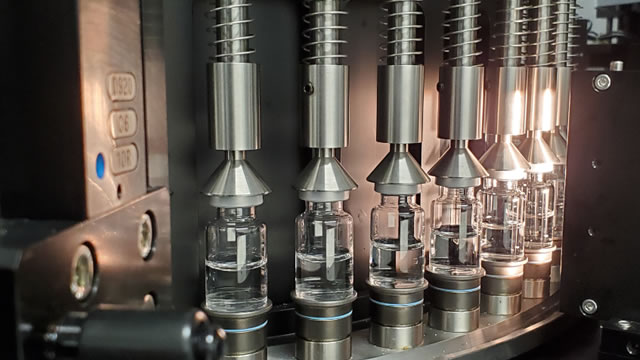
FDA approves Merck drug for decimated U.S. cattle herds to stop screwworm
The U.S. Food and Drug Administration granted conditional approval for a Merck Animal Health pour-on treatment for the prevention and treatment of New World Screwworm, with farmers able to receive doses by December 20. U.S. cattle herds are at historic lows, pressuring beef prices, with the parasite from Mexico among multiple reasons for the decline in ranchers' livestock.
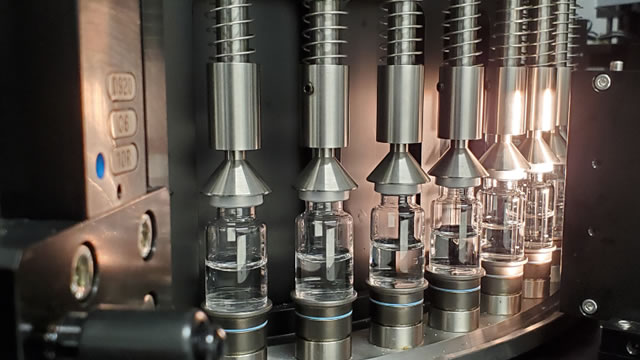
Can Merck's New Products Aid Growth as Keytruda LOE Test Looms?
MRK banks on Capvaxive, Winrevair and other new launches to counter Keytruda's looming 2028 LOE and record long-term growth.

Merck & Co., Inc. (MRK) Presents at Citi Annual Global Healthcare Conference 2025 Transcript
Merck & Co., Inc. (MRK) Presents at Citi Annual Global Healthcare Conference 2025 Transcript
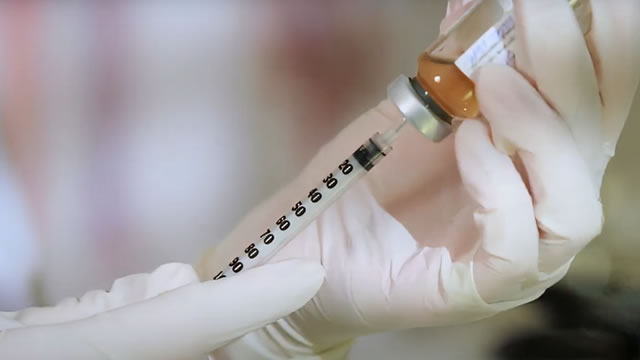
Why Merck (MRK) is a Top Growth Stock for the Long-Term
The Zacks Style Scores offers investors a way to easily find top-rated stocks based on their investing style. Here's why you should take advantage.




