



Merck & Co., Inc. (MRK)









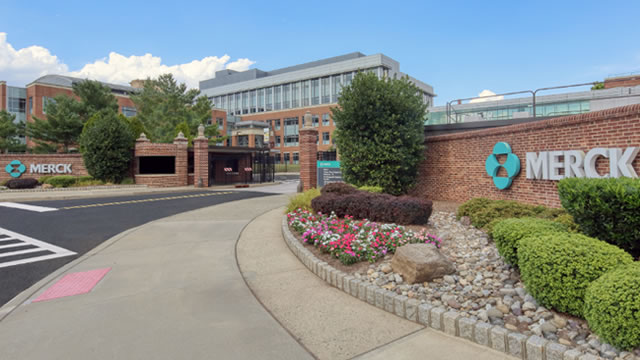
Exclusive: Kennedy played key role in vaccine case against Merck
Robert F. Kennedy Jr. played an instrumental role in organizing mass litigation against drugmaker Merck over its Gardasil vaccine, a strategy that faces its first test in a Los Angeles court next week, according to two attorneys close to the case and court filings.
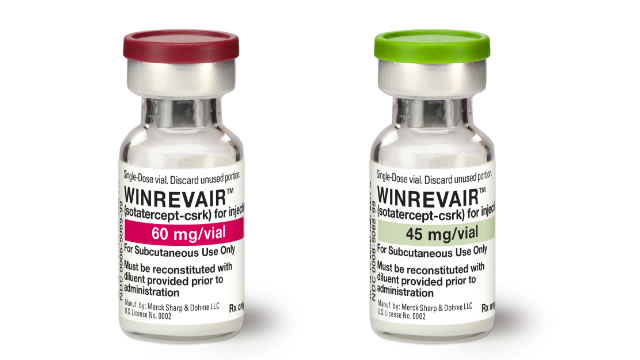
Merck & Co., Inc. (MRK) is Attracting Investor Attention: Here is What You Should Know
Recently, Zacks.com users have been paying close attention to Merck (MRK). This makes it worthwhile to examine what the stock has in store.
What's In Store For Merck Stock In 2025?
Merck stock (NYSE: MRK) lost about 10% in 2024, underperforming the broader S&P 500 index, which gained 23% for the year. Despite strong performances from other pharmaceutical giants like Eli Lilly stock (up 31%) and AbbVie stock(up 15%), Merck's stock performance has been muted.
Merck Falls 9% in 3 Months: Buy, Hold or Sell the Stock?
We believe investors with a long-term horizon should hold MRK stock, while short-term investors should consider selling it.
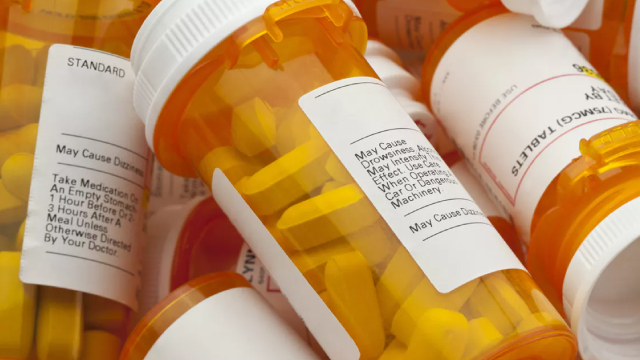
3 Magnificent S&P 500 Dividend Stocks Down 25%, 60%, and 26% to Buy and Hold Forever
If you're looking at dividend stocks as a source of income, obviously quality matters. But timing can play a role in how much income these investments generate for you, too.
Merck CEO Robert Davis goes one-on-one with Jim Cramer
Merck Chairman and CEO Robert Davis joins 'Mad Money' host Jim Cramer at the JPMorgan Healthcare Conference to talk recent acquisitions, growth in its vaccine segment, opportunities in China and more.
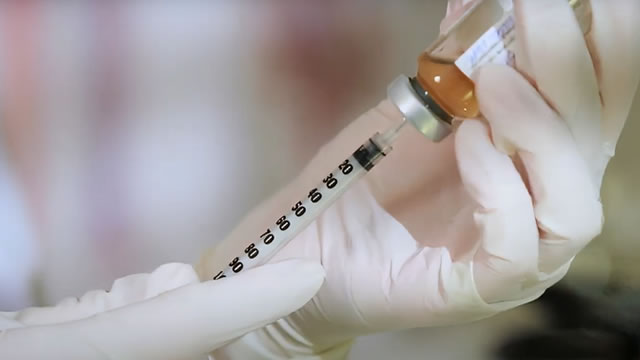
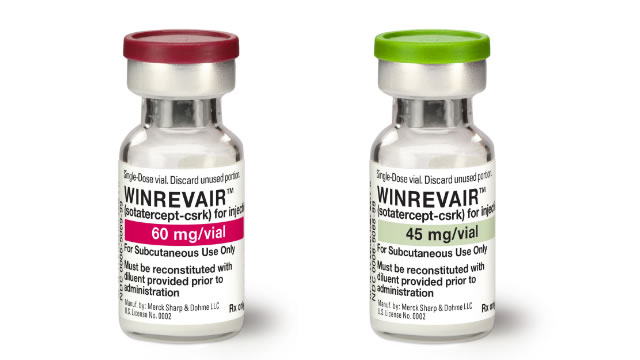
We've seen patients on transplant lists taken off of them after starting Winrevair, says Merck CEO
Merck Chairman and CEO Robert Davis joins 'Mad Money' host Jim Cramer at the JPMorgan Healthcare Conference to talk recent acquisitions, growth in its vaccine segment, opportunities in China and more.

Merck & Co. Inc. (MRK) 43rd Annual J.P. Morgan Healthcare Conference (Transcript)
Merck & Co. Inc. (NYSE:MRK ) 43rd Annual J.P. Morgan Healthcare Conference January 13, 2025 7:30 PM ET Company Participants Robert Davis - Chairman and CEO Dean Li - Executive VP & President of Merck Research Laboratories Conference Call Participants Chris Schott - JPMorgan Chris Schott Good afternoon, everybody.
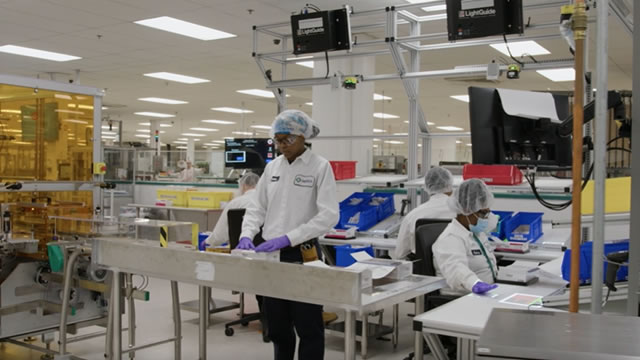
Merck Just Paid Investors: How Much Did They Receive?
Merck & Co. Inc. (NYSE: MRK) is rewarding its shareholders once again with a quarterly dividend of $0.81 per share, payable on Wednesday, Jan.
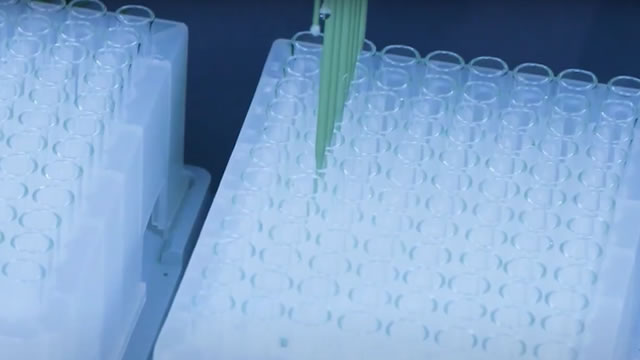
Merck says its HPV vaccine for men was approved by China's drug regulator
U.S. drugmaker Merck & Co said on Wednesday its human papillomavirus (HPV) vaccine for men has been approved by China's medical products administration.
Merck (MRK) Rises Higher Than Market: Key Facts
Merck (MRK) closed at $99.72 in the latest trading session, marking a +0.59% move from the prior day.
China's WuXi Biologics to sell Ireland vaccine facility to Merck for $500 million
China's WuXi Biologics said on Monday it will sell its vaccine facility in Ireland to Merck for about $500 million.




