


Microsoft Corp. (MSFT)





Microsoft won't stop buying AI chips from Nvidia, AMD, even after launching its own, Nadella says
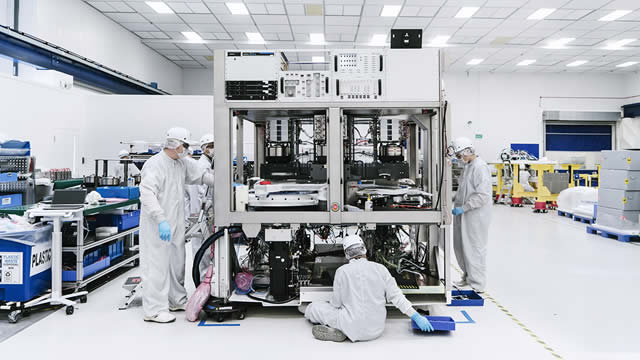
Microsoft this week deployed its first crop of its homegrown AI chips in one of its data centers, with plans to roll out more in the coming months, it says.
Microsoft: The Stars Have Finally Aligned (Rating Upgrade)
Despite delivering a double beat for Q2 FY2026, Microsoft's stock is nosediving by a double-digit percentage. In this note, we explore Microsoft's quarterly report in an attempt to comprehend Mr. Market's reaction. Furthermore, we reevaluate MSFT's long-term risk/reward using TQI's Valuation model.

Microsoft Drops After Earnings—Why the Bull Case Holds
Microsoft Corp. NASDAQ: MSFT was one of the first “Magnificent 7” stocks to report earnings this season. Despite beating on the top and bottom lines, concerns about the return on investment from Microsoft's robust capital expenditures (CapEx) plans have sent the stock plummeting.
Microsoft outlook leaves analysts split after earnings beat as capex and AI returns questioned
Microsoft Corp (NASDAQ:MSFT)'s latest quarterly earnings drew a mixed reaction from analysts, as strong revenue growth driven by Azure and artificial intelligence was tempered by concerns over heavy capital spending and the pace at which AI investments are translating into earnings growth. The company reported December-quarter revenue of $81.27 billion, beating Wall Street estimates of $80.28 billion, while earnings per share also topped expectations.
Why This Pullback in Microsoft (MSFT) is a Buying Opportunity
The company's ability to monetize AI across its stack positions it well for multi-year expansion.
Why Microsoft's Stock Is Tumbling Thursday
Microsoft shares are taking a big hit after the company reported earnings Wednesday.

Microsoft Q2 Earnings Beat Estimates as Cloud and AI Drive Results
MSFT beats fiscal Q2 estimates as cloud and AI power 17% revenue growth, Azure surges, and bookings jump, though shares fall on capex and capacity concerns.
Microsoft: The Market Has Lost Its Mind
Microsoft Corporation reported strong Q2 results, with a double beat and 17% revenue growth, yet shares declined post-earnings. MSFT has become significantly cheaper following a recent pullback, creating a more attractive value proposition relative to its growth. Despite trailing the broader market since late 2023, MSFT's current valuation and growth trajectory support a positive outlook.

Microsoft Shares Plummet 11%—Most Since 2020—After Slowing Cloud Growth
Meta shares rallied more than 7% on Thursday, after the company reported annual quarterly revenue growth of 24% to $59.8 billion in its latest quarter. The company said it anticipated capital expenditures of up to $135 billion as it ramped up spending to expand AI efforts, after spending $22.4 billion in the quarter, above estimates of $21.8 billion.

Microsoft Q2: Non‑Obvious Risks Hiding Behind The AI Boom
A large share of Microsoft Corporation's commercial RPO is concentrated in OpenAI, which can be a risk given that customer's cash-burning, unprofitable, capital-infusion reliant status. AI infrastructure spending is shifting Microsoft's business mix toward lower-margin hardware, driving sustained declines in Microsoft Cloud and consolidated gross margins. MSFT's heavy capex on short-lived GPUs and CPUs, combined with long depreciation lives, may understate future capex needs and pressure already declining free cash flow margins.

What Went Wrong With Microsoft and Why Its Down Big Today
Shares of Microsoft are down 11.7% in Thursday trading after the company reported fiscal second-quarter results that beat Wall Street estimates but failed to satisfy investor expectations around Azure cloud growth and AI infrastructure spending.

META, MSFT Making Outsized Post-Earnings Moves
Tech giants Meta Platforms Inc (NASDAQ:META) and Microsoft Corp (NASDAQ:MSFT) are in the spotlight after their latest earnings reports.


