



Microsoft Corporation Common Stock (MSFT)













Microsoft to Report Fiscal Q4 Earnings Today: ETFs to Watch
MSFT jumps 30% in three months as Q4 earnings loom, with analysts being bullish. MSFX, IXN, IYW and VGT with top exposure draw investor focus.
Microsoft Earnings: AI Growth And Cloud Demand Are Front & Center
Microsoft Inc. is scheduled to report earnings after Wednesday's close. The stock just hit another fresh record high just above $518/share and is currently trading near that level.

S&P 500 inches up on strong GDP; Microsoft, Meta earnings ahead
9:55am: Cautious start Markets opened little changed on Wednesday as investors took in a stronger-than-expected rebound in economic growth and braced for a key Federal Reserve interest rate decision later in the day. The Dow Jones was flat, up just 3 points to 44,636, while the S&P 500 edged up 5 points, or 0.1%, to 6,376.

MSFT, META and ARM Forecast – Major Tech Earnings Incoming
The three stocks in this analysis all have earnings calls after the bell, which is after the Federal Reserve releases its latest interest rate decision, statement, and follow up press conference.

Microsoft nears OpenAI agreement for ongoing tech access
Microsoft Corp. is in advanced talks to land a deal that could give it ongoing access to critical OpenAI technology, an agreement that would remove a major obstacle to the startup's efforts to become a for-profit enterprise.

Stock Markets Beware Summer Scares. What Microsoft Must Learn From Novo's $75 Billion Crash.
China trade talks wrap up, Berkshire's potential railroad deal, oil prices spike, and more news to start your day.

Microsoft to be hit with Opera complaint to Brazilian antitrust regulator
Norwegian browser maker Opera will file a complaint about U.S. tech giant Microsoft to Brazilian antitrust authority CADE on Tuesday for allegedly giving its Edge browser an unfair advantage over rivals.
Microsoft: Why I Think It Is Poised To Beat Wall St's Margin Estimates
Management and industry commentary is very gung-ho on Copilot adoption. I recognize this key growth driver but also have 1 cause for concern. I believe Wall St analysts are grossly underestimating the margin expansion benefits that could arise from Microsoft's job cuts. MSFT's valuations remains reasonable near sector medians and it is good to see it being supported by robust earnings growth.
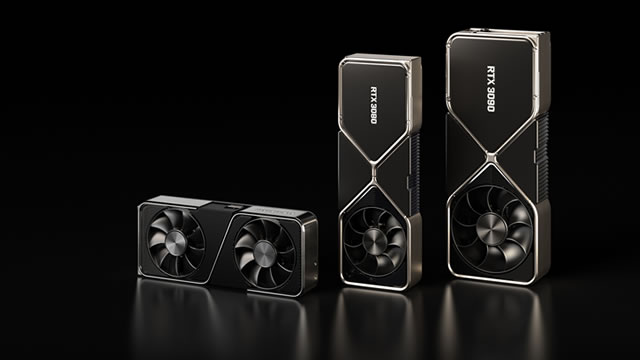
Nvidia Hits $4.3 Trillion: The AI Boom's Unstoppable Force?
In a historic milestone, Nvidia ( NASDAQ:NVDA ) has become the first company to reach a staggering $4.3 trillion market valuation, eclipsing the second-largest company, Microsoft ( NASDAQ:MSFT ), by $500 billion — a gap so large it is equivalent to the market caps of Starbucks ( NASDAQ:SBUX ), Nike ( NYSE:NKE ), and AT&T ( NYSE:T ) combined, with $80 billion to spare.
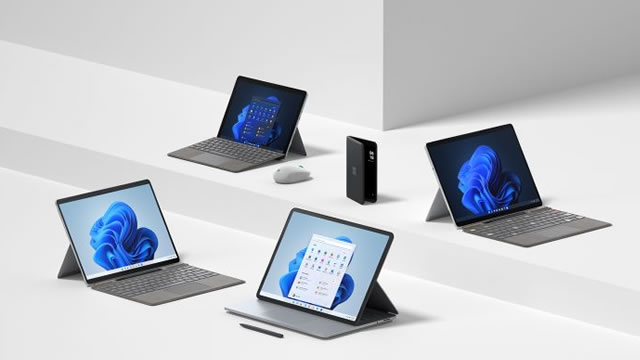
Single-Stock ETFs in Focus as Big Tech Earnings Unfold
With Big Tech earnings coming up, single-stock ETFs like MSFX, FBL, AAPX and AMZU draw fresh investor focus.
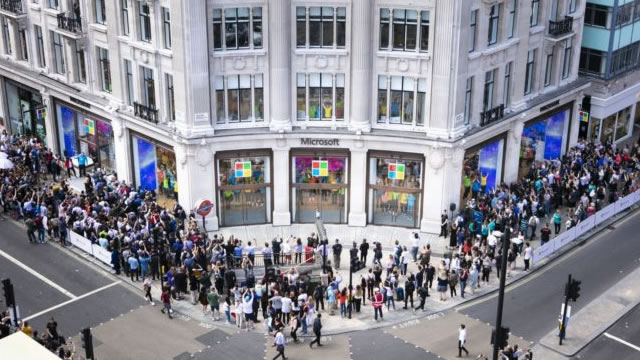
Microsoft in talks to maintain access to OpenAI's tech beyond AGI milestone
Microsoft is reportedly in advanced talks with OpenAI for a new agreement that would give it ongoing access to the startup's technology even if OpenAI achieves what it defines as AGI, or advanced general intelligence. If the deal goes through, it would clear a key hurdle in OpenAI's transition toward becoming a fully commercial enterprise.
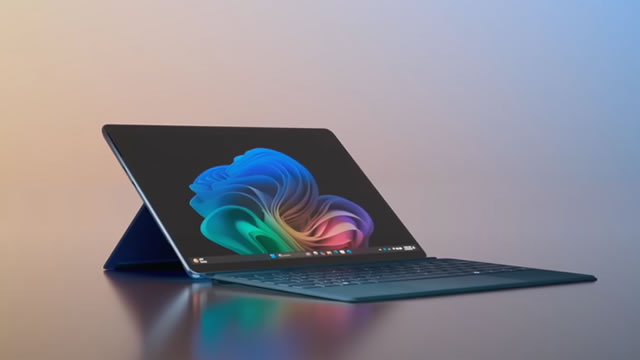
Microsoft Seeks to Extend Access to OpenAI Technology
Microsoft and OpenAI are reportedly in advanced talks on a deal that would give Microsoft continued access to OpenAI's technology after that company achieves artificial general intelligence (AGI).




