



Micron Technology, Inc. (MU)














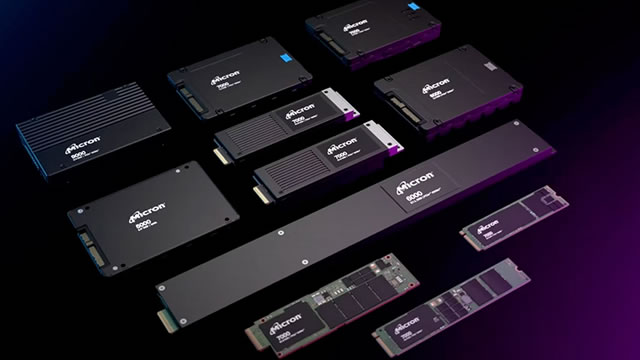
Micron tops fourth-quarter estimates, guides above Street on AI memory demand
Micron Technology Inc (NASDAQ:MU) forecast fiscal first-quarter revenue well above expectations on Wednesday, after fourth-quarter revenue surged 379% from a year earlier to $54.23 billion. The fourth-quarter figure compared with estimates of $51.07 billion.

Micron Profit, Revenue Surge on Memory Demand
The semiconductor company had a fourth-quarter profit of $37.7 billion as its memory chips remained a hot commodity amid the build-out of artificial-intelligence infrastructure.

Micron beats on revenue and earnings as global memory shortage continues
Micron reported fiscal fourth-quarter earnings that topped estimates. The memory company is the only U.S.-based maker of high-bandwidth memory crucial for AI.

Micron forecasts quarterly revenue above estimates
Micron Technology forecast quarterly revenue above estimates on Wednesday, signaling it expects the AI-driven memory chip boom to continue powering its growth.
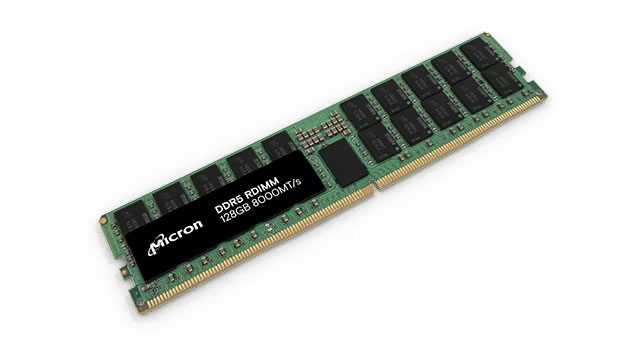
Here's How Much Micron Stock Is Expected to Move After Earnings
Micron Technology is set to report earnings after markets close today, with traders anticipating a sizable move in the memory chipmaker's stock.

Michael Burry Swapped Shorts for Micron Puts Struck Near Half the Share Price
Michael Burry just swapped unlimited-horizon short positions for expiring put contracts on Micron, accepting a hard deadline to be right before a stock up 550% in a year reports earnings in hours.
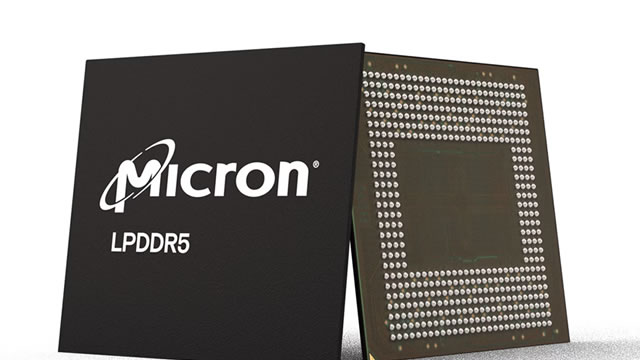
5 Micron Entry Points Reveal Why Timing Matters More Than How Long You Hold
Five entry points into Micron stock, separated by decades, produced returns that diverge so wildly they challenge every assumption about patience rewarding long-term investors. The date you bought matters far more than you think.
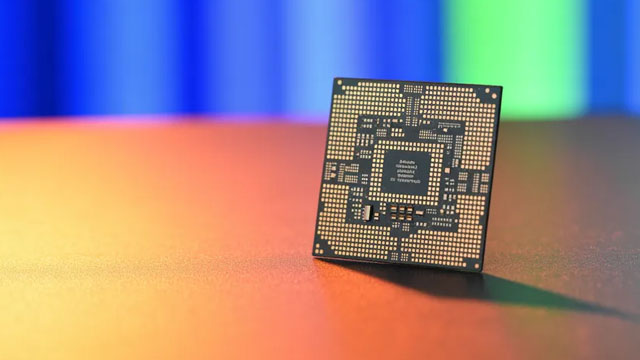
Micron Earnings: Discover the Top 3 ETFs Exposed to the Firm
Micron Technology (MU) reports earnings Wednesday. The company has had a massive year in 2026, up 237% in that time.

JPMorgan Sees Micron Positioned for Beat-and-Raise Ahead of Q4 Results
JPMorgan sees multiple levers working in Micron's favor before its September 30 earnings report, but the stock has a troubling habit of selling off sharply even after big beats.

Micron's Earnings Guidance May Look Weak Tomorrow. Buy MU Stock Anyway
Micron (NASDAQ:MU | MU Price Prediction) reports fiscal fourth-quarter results tomorrow after the close. Shares are up 273.63% year to date, so the fiscal Q1 outlook will move the stock more than the quarter itself.
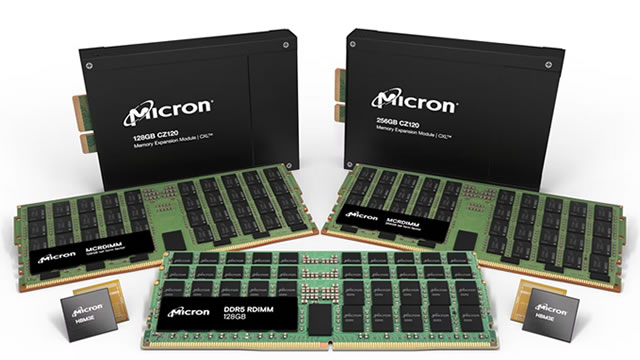
What History Says Will Happen If Micron's Earnings Stars Align
Micron stock has had some eye-watering moves after earnings in previous quarters. With analysts upbeat for the company's results this week, the stock could be in for a roller coaster.
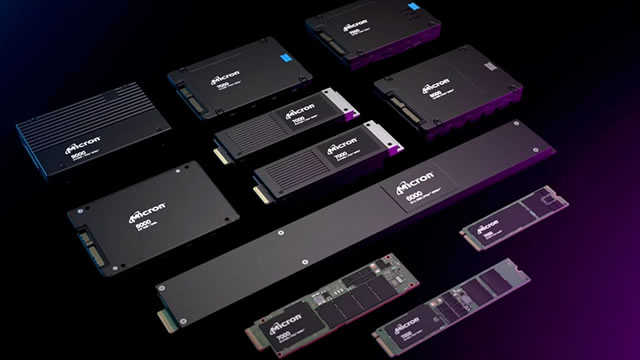
Micron's Memory Supercycle Is Built for the Long Haul
AI runs on memory, and one overlooked U.S. chipmaker just signed contracts that could make its notorious boom-and-bust cycle a thing of the past. The numbers behind those deals tell a story most investors are sleeping on.




