



Micron Technology, Inc. (MU)














Why are Micron, SanDisk, SK Hynix and other memory stocks falling?
Memory stocks fell sharply on Thursday as a jump in oil prices intensified broader market concerns about inflation and higher interest rates, weighing on high-beta technology shares. Micron Technology MU and SanDisk each fell about 4%, while SK Hynix dropped more than 5%.

Micron Could Be the Next Nvidia For Patient Investors
Micron has already posted a 662% one-year gain on the AI memory boom, but our proprietary model puts its 12-month price target below where the stock trades today, and the reasoning challenges everything the bull case assumes.

From $8.7B Profit to $5.8B Loss: Why Micron's Boom-and-Bust Risk Is Far From Over
Micron just posted numbers that look nothing like a commodity memory company, and management is pointing to billion-dollar contracts as proof the boom-bust cycle is finally broken. History has heard that argument before, and it has a consistent answer.

Micron: The Show Goes On
Micron Technology earns a 'buy' rating as structural supply constraints and explosive AI-driven demand underpin a multi-year supercycle. MU's Q3 FY26 revenue soared 346% Y/Y, with Q4 guidance targeting $50b and continued double-digit sequential growth. Strategic Customer Agreements totaling $22b, extending into 2030, provide robust revenue visibility and mitigate cyclical volatility.
Micron Vs. Sandisk: Sandisk Built The Shield, But Micron Owns The Fortress
Micron Technology is rated Buy with 26% upside; Sandisk rated Hold with 13% upside, based on normalized FY2028 models. MU benefits from HBM-driven DRAM scarcity and strategic contracts, while SNDK relies on robust long-term agreements to mitigate NAND volatility. Sandisk's NBMs provide strong cash conversion and risk transfer, but NAND supply is expected to loosen in 2H27, limiting upside.
Micron: 3 Simple Reasons Why I'm Still Bullish
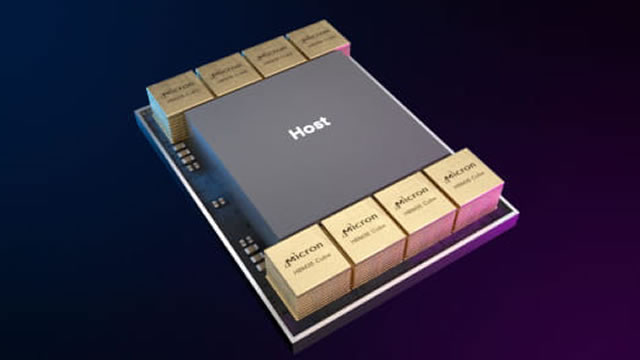
Micron Technology, Inc.'s customers are basically rationing DRAM, with some data center buyers getting only about half the memory they want while demand keeps rising. The shortage may get worse before it gets better, with Micron now expecting 2027 to be tighter than 2026. HBM is making the supply problem even harder because each bit consumes disproportionately more wafer capacity and squeezes conventional DRAM supply.
Micron: Debunking The Bear Case Behind Yesterday's Selloff
July data from World Semiconductor Trade Statistics and the Semiconductor Industry Association imply a 9.8% m/m decline in global semiconductor sales, led by a 16.3% m/m drop in memory revenue. However, rising DRAM and NAND ASPs, coupled with their lower July shipments, indicate worsening supply constraints rather than underlying demand deterioration, reinforcing durability of Micron Technology, Inc.'s growth and earnings outlook. Nvidia's Rubin Ultra despec also suggests greater accelerator output, preserving aggregate HBM bit demand growth despite lower memory content per chip.

Memory prices could jump 60%: why Micron and SanDisk are breaking out again
Memory chips have emerged as the driving force behind the semiconductor industry's latest growth cycle as the artificial intelligence boom fuels demand for data-center hardware and pushes prices higher. Memory has become the "king" of the semiconductor industry, according to Susquehanna analyst Mehdi Hosseini, who believes "its reign is here to stay.

Micron (MU) Falls More Steeply Than Broader Market: What Investors Need to Know
The latest trading day saw Micron (MU) settling at $1, representing a -1.61% change from its previous close.
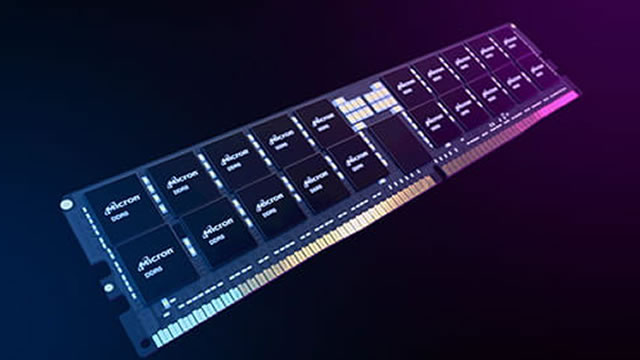
Memory chips have come to rule the AI boom. Why Micron's reign could be here to stay.
Semiconductor industry revenue is expected to reach $1.5 trillion this year, driven mostly by memory chips.
Micron stock: a coiled spring ready to pounce ahead of earnings?
Micron stock has staged a strong recovery this week, reaching near its highest level since July 2nd this year. MU jumped to $1,016, up by nearly 40% from its lowest level in July, and technical and fundamental factors suggest further upside.
Micron and SanDisk up nearly 2% premarket, but one risk is getting harder to ignore
Micron and SanDisk stocks rose in Tuesday premarket trading, extending the memory-stock rally as investors bet on tight supply and AI demand. The gains follow Friday's surge, when Micron jumped 6.1% and SanDisk climbed 11.9%.




