



Micron Technology, Inc. (MU)














Micron (MU) Exceeds Market Returns: Some Facts to Consider
Micron (MU) closed the most recent trading day at $956.08, moving +2.43% from the previous trading session.
The Mispriced Winner of the AI Boom
Nvidia says memory pricing is “extreme”

Micron: This Cycle Might Shock Everyone
Micron Technology remains a compelling long-term investment, with fundamentals strengthening despite recent sector-driven stock volatility. MU benefits from surging AI memory demand, multi-year customer agreements, and sold-out HBM4 capacity through 2026, supporting robust pricing power. My updated DCF model yields a fair value of $1,574 per share, above both current levels and the street's $1,513 target, driven by higher revenue assumptions.
Micron Stock Soars 685% in a Year: Is the Momentum Still Sustainable?
MU's 685% rally is backed by surging AI memory demand, sold-out 2026 HBM output, soaring profits and a valuation below the sector average.
Everyone's Talking About These Stocks. Here's What I See.
NVIDIA, Micron, and SanDisk are dominating the AI trade in 2026, but each stock tells a completely different story about what it takes to beat Wall Street's targets over the next 12 months.

Why Micron (MU) is a Top Growth Stock for the Long-Term
Whether you're a value, growth, or momentum investor, finding strong stocks becomes easier with the Zacks Style Scores, a top feature of the Zacks Premium research service.
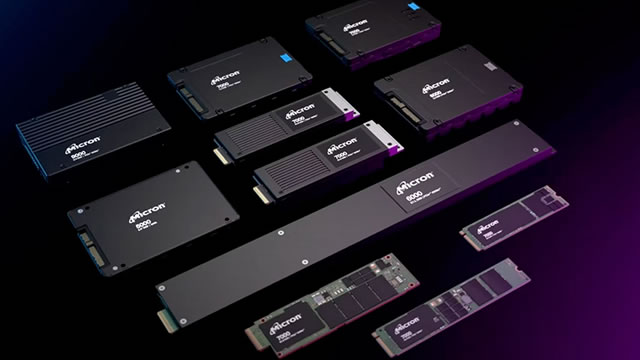
Brokers Suggest Investing in Micron (MU): Read This Before Placing a Bet
The recommendations of Wall Street analysts are often relied on by investors when deciding whether to buy, sell, or hold a stock. Media reports about these brokerage-firm-employed (or sell-side) analysts changing their ratings often affect a stock's price.

Trading expert sets date when Micron stock will crash to $400
Micron Technologies (NASDAQ: MU) could plunge to $400 by late February 2027 if a long-term technical pattern plays out.

Micron Stock Can't Catch a Break. It Does Have This One Big Catalyst.
Micron stock has stalled in recent months but memory prices keep rising and that should be reflected in its coming earnings.
Micron stock is booming, but Nvidia may have just put a date on the easy money
Micron Technology (NASDAQ: MU) has been one of the biggest winners from the AI memory boom, with its shares up more than 200% this year as shortages push DRAM and HBM prices higher. Nvidia's latest filing helps explain why.

Micron stock falls 3% as Taiwan unions threaten strike over bonuses
Micron Technology MU stock fell 3% on Tuesday as concerns over a potential strike by its Taiwan-based workforce added pressure to the memory-chip maker's shares. Labor unions representing Micron employees in Taoyuan and Taichung said they were moving toward possible strike action unless the company overhauls its bonus system and increases profit-sharing with employees.

Micron's Insane Productivity Explosion: Revenue Per Employee Doubled to $1.7 Million in Just 9 Months
Micron Technology‘s (NASDAQ:MU | MU Price Prediction) earnings revealed a productivity figure that reframes the entire memory cycle. Revenue per employee reached $1,703 in May 2026, and the trajectory that got there is the story.




