



Nasdaq, Inc. (NDAQ)








3 Magnificent Seven Stocks To Load Up on with the Nasdaq Composite in a Correction
The temporary tariff pause has had a positive impact on the market, but investors must remember that this is not going to last long.

Nasdaq 100 and S&P500: Nvidia Fallout Sparks Broad Tech Decline
Nvidia's China setback jolts US stocks, with export bans halting H20 chip sales and shaking investor confidence in the tech and semiconductor sectors.

Nasdaq set to extend losses as Nvidia slumps, Japan comes to trade talks, China makes demands
US tech giants have been tipped to turn the small losses from the previous session into larger ones, despite signs of possible conciliatory moves by China towards opening trade talks. Well ahead of Wall Street's opening bell, Nasdaq 100 futures were down 1.4%, with those for the S&P 500 0.8% lower, while Dow Jones futures are sitting 0.2% in the red.

1 Brilliant Nasdaq Index Fund to Buy Now That Soared 360% in the Last Decade
The Nasdaq Composite (^IXIC -0.05%) has fallen sharply as President Donald Trump has pushed for radical changes in U.S. trade policy. The technology-heavy index closed in correction territory on March 6, and it closed in bear market territory on April 4.
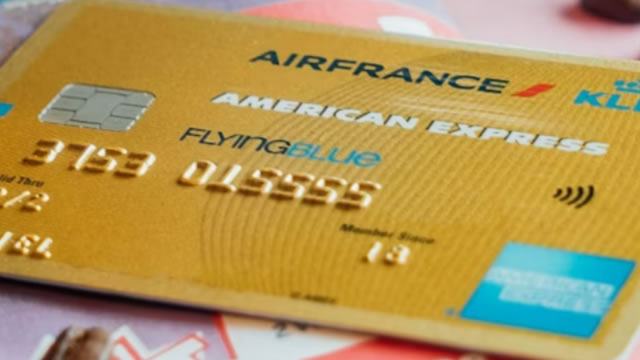
Down More Than the S&P 500 and Nasdaq, Is Warren Buffett-Led Berkshire Hathaway's Second Largest Holding a Buy Now?
Berkshire Hathaway's (BRK.A 0.17%) (BRK.B -0.12%) assets have changed considerably in recent years. Today, the value of Berkshire's controlled companies exceeds its public equity portfolio.

Thinking About Buying Dividend Stocks During the 2025 Nasdaq Bear Market? Consider These Risks First.
Last week's rally in the broader stock market indexes sprung the Nasdaq Composite (^IXIC 0.64%) back upward after a more than 20% that technically put it into a bear market. However, it's apparent that market volatility may be far from over.
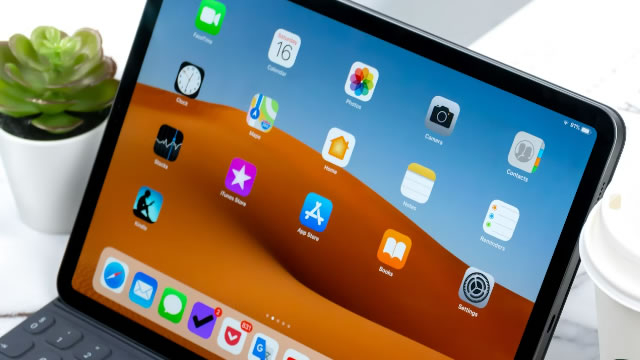
Nasdaq 100: Apple's Tariff Win Fuels Rally—Can It Sustain Market Momentum?
Apple's 2% jump on tariff relief lifted the Nasdaq 100, but with market fragility in focus, traders are watching to see if the rally has real staying power.

Nasdaq set to lead further Wall Street rally, Apple climbs on tariff exemption, Goldman reports
US stock indices are expected to continue rallying on Monday, where they left off last week, following the exemption from 'reciprocal' tariffs for smartphones and computers. Tech companies were predicted to lead the gains at the start of the week, with Nasdaq 100 futures rising 1.7%, followed by a 1.5% gain for S^P 500 futures and 1% for the Dow Jones.
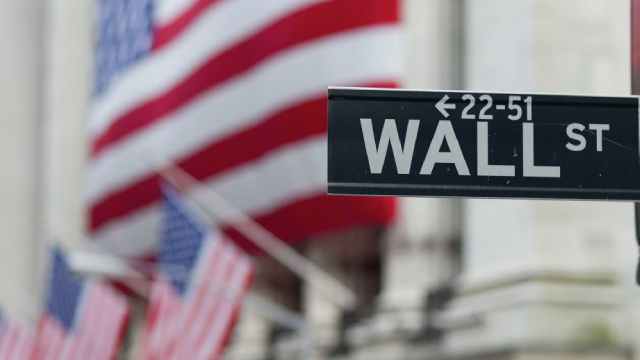
Nasdaq set to lead Dow, S&P 500 higher on tech tariff pause amid mixed signals
Nasdaq-100 futures indicated tech stocks would lead U.S. stocks higher as a new week of trading got under way Sunday night, though investors noted confusion remained after mixed signals from the Trump administration over tariffs on smartphones and other consumer electronics.

Nasdaq Market Whiplash: 3 Stocks to Buy Hand Over Fist and Hold for Decades
"May you live in interesting times."

Hang Seng Tumbles on Trade War Jitters; Nasdaq Soars on Tariff U-Turn – Weekly Recap
US-China trade war rattled Asian markets—Hang Seng plunged, ASX wobbled, but the Nikkei rallied as Tokyo escaped harsher tariffs.
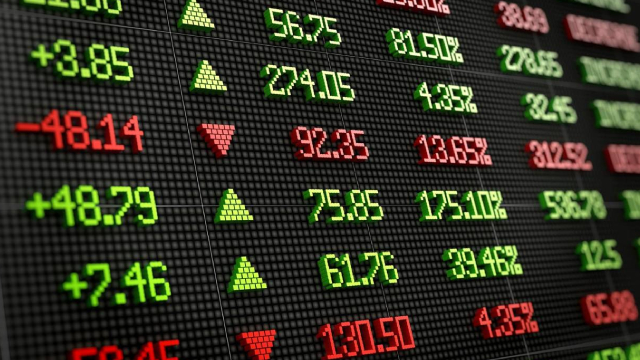
Semiconductors Leading Nasdaq's Bounce-Back: ETFs in Focus
Semiconductor stocks led the Nasdaq recovery on April 9.




