



PepsiCo, Inc. (PEP)












PepsiCo Q2 Earnings Beat on Volume Gains & International Strength
PEP beats on Q2 earnings on a rise in organic revenues, improved volumes and solid international growth, offsetting margin pressure and North America softness.

PepsiCo, Inc. (PEP) Q2 2026 Earnings Call Transcript
PepsiCo, Inc. (PEP) Q2 2026 Earnings Call Transcript

PepsiCo shares fall as slight earnings miss overshadows revenue beat
PepsiCo Inc (NASDAQ:PEP, XETRA:PEP) shares fell about 4% on Thursday after the food and beverage company reported fiscal second-quarter adjusted earnings that came in slightly below Wall Street expectations, despite revenue topping estimates and the company reaffirming its full-year outlook. PepsiCo reported adjusted earnings per share of $2.20, compared with analysts' consensus estimate of $2.21.

Puts Pop on PepsiCo Stock After Mixed Q2 Report
PepsiCo Inc (NASDAQ:PEP) stock is down 5% to trade at $135.34 this morning, after the Coca-Cola (KO) rival shared mixed second-quarter results.
PepsiCo (PEP) Q2 Earnings: Taking a Look at Key Metrics Versus Estimates
Although the revenue and EPS for PepsiCo (PEP) give a sense of how its business performed in the quarter ended June 2026, it might be worth considering how some key metrics compare with Wall Street estimates and the year-ago numbers.
PepsiCo Price Prediction: Is The Stock a Buy Before Earnings?
With PepsiCo (NASDAQ:PEP | PEP Price Prediction) set to report Q2 2026 earnings before the market opens on July 9, 2026, investors are asking whether to buy the beverage and snacks giant ahead of the earnings report.
PepsiCo (PEP) Q2 Earnings and Revenues Surpass Estimates
PepsiCo (PEP) came out with quarterly earnings of $2.2 per share, beating the Zacks Consensus Estimate of $2.19 per share. This compares to earnings of $2.12 per share a year ago.

PepsiCo cuts prices on snacks. It's not enough to drive growth in North America.
Shares of PepsiCo fell in early Thursday trading after the beverage and snack giant's fiscal second-quarter profit and revenue beat expectations — but didn't prompt an increase in the full-year outlook.
PepsiCo earnings miss estimates as North American consumers tighten their budgets
PepsiCo reported weaker-than-expected quarterly earnings. The company's revenue topped Wall Street's estimates, boosted by strong international demand for its snacks and drinks.
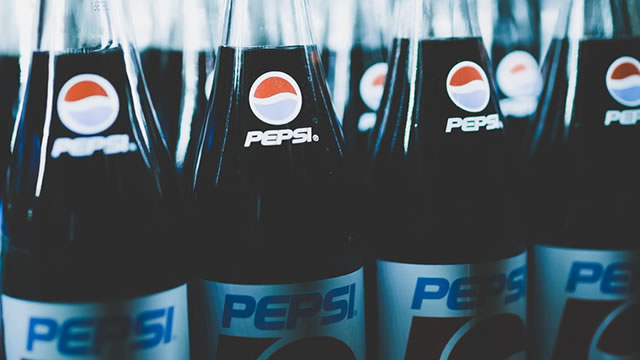
Pepsi Stock: Buy Before Q2 Earnings or Is Coca-Cola the Better Investment?
PepsiCo (PEP) is scheduled to report Q2 2026 results before the market opens on Thursday, July 9, kicking off the earnings season for many consumer staples companies.

Here's How Much PepsiCo Stock Is Expected to Move After Earnings
PepsiCo is scheduled to post its latest quarterly results ahead of the opening bell Thursday. The food and beverage giant's stock could undergo a sizable swing to finish the week.

Why You Want PepsiCo To Miss Earnings This Week
PepsiCo, Inc. is approaching Q2 earnings with a balanced valuation and notable catalysts, despite recent underperformance versus peers. Q1 2026 showed resilient 8.5% revenue growth, international momentum, and effective hedging, but Q2 is expected to be softer amid consumer weakness. Selective price hikes and World Cup marketing are set to support margins and drive Q3 growth, while the dividend yield now stands at 3.8% with improved payout safety.




