



PepsiCo, Inc. (PEP)








Summary
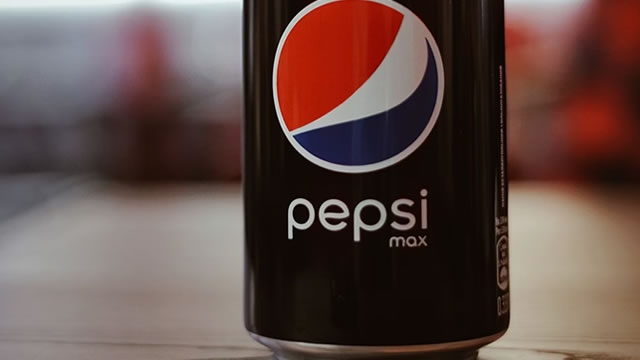
Pepsi loses more ground in the soda wars, as KFC switches to Coke
As more people switch to Coke, some analysts are getting more worried about the state of archrival Pepsi.
KFC signs Coca-Cola on as new beverage partner, ditching PepsiCo
Losing a beverage partnership would come as a blow to PepsiCo, which is struggling to improve sales in the country.

KFC to sign Coca-Cola on as beverage partner, ditching PepsiCo, WSJ reports
KFC to sign Coca-Cola on as beverage partner, ditching PepsiCo, WSJ reports
PepsiCo, Inc. Investors
| Name | Quantity | Cost | Value | Profit ($) | Gain (%) |
|---|---|---|---|---|---|
| TJD Thomas John Drogan PR Inc.IPAL SECURITIES Inc. | 65,051 | $9.34M | $8.35M | -$991,526.64 | -10.61% |
| DI David Izzi Brown, LISLE/CUMMINGS Inc. | 12,518 | $2.06M | $1.63M | -$431,623.54 | -20.97% |
 Michelle S. Hickox FIRST FINANCIAL BANKSHARES Inc. | 566,395 | $92.24M | $74.29M | -$17.95M | -19.46% |
 Timothy M. Bidwell Hazlett, BURT & WATSON Inc. | 7,024 | $1.19M | $918,388 | -$276,002.26 | -23.11% |
| LC Lisa Candera CIGNA INVESTMENTS Inc. /NEW | 12,850 | $1.75M | $1.68M | -$69,749.42 | -3.98% |
PepsiCo, Inc. (PEP) FAQ
What is the stock price today?
On which exchange is it traded?
What is its stock symbol?
Does it pay dividends? What is the current yield?
What is its market cap?
Has PepsiCo, Inc. ever had a stock split?
PepsiCo, Inc. Profile
| Beverages Industry | Consumer Staples Sector | Ramon Luis Laguarta CEO | NASDAQ (NGS) Exchange | 713448108 CUSIP |
| US Country | 306,000 Employees | 4 Sep 2026 Last Dividend | 29 May 1996 Last Split | 13 Jan 1978 IPO Date |
Overview
PepsiCo, Inc., founded in 1898, stands as a global leader in the food and beverage industry, with its headquarters located in Purchase, New York. The company’s operations span across more than two hundred countries, structured into seven significant segments: Frito-Lay North America; Quaker Foods North America; PepsiCo Beverages North America; Latin America; Europe; Africa, Middle East and South Asia; and Asia Pacific, Australia and New Zealand and China Region. PepsiCo’s mission encompasses the manufacturing, marketing, and distribution of a wide range of beverages and convenient foods, aiming to meet diverse consumer needs worldwide. Employing a comprehensive network including direct-store-delivery, customer warehouse, and distributor networks, in addition to e-commerce platforms and retailers, PepsiCo efficiently reaches its vast customer base, from wholesale and other distributors to foodservice customers and individual consumers.
Products and Services
- Snacks: The company offers a variety of snack items including cheese-flavored snacks, dips, spreads, and chips made from corn, potato, and tortilla. Popular snack brands under PepsiCo’s umbrella include Lay's, Doritos, Fritos, Tostitos, BaiCaoWei, and Cheetos.
- Convenient Foods: PepsiCo’s portfolio in this category features cereals, rice, pasta, and mixes, in addition to syrups, granola bars, grits, oatmeal, rice cakes, and side dishes. Noteworthy brands include Cap'n Crunch, Life, Pearl Milling Company, Quaker, and Rice-A-Roni.
- Beverages: The company provides a comprehensive range of beverage products such as beverage concentrates, fountain syrups, ready-to-drink tea, coffee, juices, and dairy products. Additionally, it offers sparkling water makers and related products. Beverage brands like Gatorade, Pepsi-Cola, Mountain Dew, Aquafina, and Bubly are key players in PepsiCo’s beverage lineup.
- Alcoholic Beverages: PepsiCo has expanded its product range to include alcoholic beverages, specifically under the Hard MTN Dew brand, marking a new venture in the company’s product offerings.
These products are marketed under an impressive array of brands, some of which are globally recognized names such as Gatorade, Pepsi-Cola, Mountain Dew, Quaker, Aquafina, and more. PepsiCo serves a variety of customers, ranging from wholesale and other distributors, foodservice customers, grocery stores, to end consumers accessible through e-commerce platforms
Contact Information




