



Pfizer Inc. (PFE)











Pfizer: A 6% Yielding Value Deal
Pfizer remains an attractive capital return play with a 10X P/E ratio, despite concerns about post-COVID revenue declines. The oncology business shows promising growth, particularly with products like Xtandi and Lobrena, supporting Pfizer's long-term potential. Pfizer's guidance for FY 2024 EPS has been raised, indicating strong earnings potential and undervaluation by the market.

Pfizer (PFE) Rises But Trails Market: What Investors Should Know
Pfizer (PFE) closed the most recent trading day at $28.97, moving +0.14% from the previous trading session.

FDA alerts patients about Pfizer's Oxbryta withdrawal
The U.S. Food and Drug Administration on Thursday alerted patients and healthcare professionals about the withdrawal of Pfizer's sickle cell disease treatment Oxbryta.

Pfizer Withdraws Sickle Cell Disease Therapy Oxbryta From Market
PFE's decision is based on clinical data, which suggests that the overall benefit of the drug no longer outweighs the risk in the approved patient population.
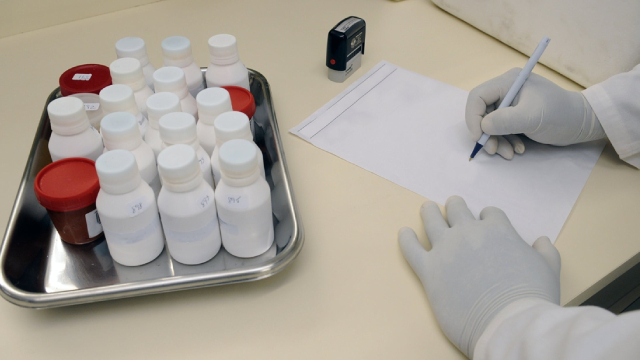
Pfizer's Oxbryta exit may hasten trials of rival experimental sickle cell drugs, analysts say
Pfizer's decision late on Wednesday to withdraw its sickle cell disease treatment due to the risk of death could help speed up trials of new experimental rivals, Wall Street analysts said.

Pfizer Recalls All of Its Sickle Cell Disease Treatment Over Safety Concerns
Pfizer (PFE) shares declined Thursday after the drug maker recalled all lots of its sickle cell disease medicine worldwide because of concerns it could lead to severe pain and possibly death in patients.

EU regulator recommends suspension of Pfizer's sickle cell disease treatment
The European Medicines Agency (EMA) recommended suspending the marketing authorization for Pfizer's sickle cell disease drug Oxbryta on Thursday.
Can Pfizer Stock Rise 2x To $60?
Pfizer stock (NYSE: PFE) is trading at about $30 per share, not far from the lows seen in recent years. Could the stock rise by over 2x in value over the next few years?

2 High-Yield Dividend Stocks That Can Deliver a Lifetime of Passive Income
Verizon and Pfizer offer attractive dividend yields above 5%, supported by strong market positions. Both companies face challenges but have strategies in place to maintain their generous payouts.

Slow progress on Pfizer's plan to sell drugs to low-income nations at not-for-profit price, says CEO
Pfizer has so far signed up less than a quarter of the countries targeted under a plan to make its medicines available to the world's poorest nations at not-for-profit prices, just over two years after it launched.

3 Ultra-High-Yield Dividend Stocks to Buy Now and Hold at Least a Decade
W.P. Carey reduced its dividend after spinning off its office properties last year but still offers an ultra-high yield. Pfizer's been raising its dividend every year since 2009, and an unprecedented number of recently launched drugs could help it rise much further.
Pfizer yanks sickle-cell treatment worldwide after possible link to deaths
The benefits of Oxbryta no longer outweigh the risks, Pfizer says.




