



Philip Morris International Inc. (PM)












Philip Morris Q3 Earnings Preview: Competition Heating Up
Philip Morris International remains a resilient long-term holding, with strong cash flows from combustibles funding growth in smoke-free products. PM's recent 8.8% dividend increase signals management confidence, but I would prefer a focus on deleveraging with rates being where they are. ZYN's competitive position in the U.S. is under pressure; Q3 and Q4 results will be critical for assessing its contribution to PM's premium valuation.

Philip Morris: A Rising Dividend And A Safe Harbor Ahead Of Q3
Philip Morris International (PM) is positioned as a flight-to-safety stock, offering a rising income stream and resilience in a higher-rate environment. PM's Q2 and H1 2026 results exceeded expectations, with adjusted EPS up 15.6% YoY and smoke-free products now 42% of revenue with expanding margins. The recent 8.8% dividend increase, strong free cash flow coverage, and guidance for 10.7–12.7% adjusted EPS growth underpin the bullish outlook.
Philip Morris: Strong Growth, 9% Dividend Growth, And More Upside Potential
Philip Morris is a growth and income play, leveraging its transition to smoke-free products for robust total returns. PM delivered Q2 organic revenue growth of 7.6% and adjusted EPS up 15%, driven by strong pricing, resilient combustibles, and an expanding NGP portfolio. The stock yields 3.4%, recently raised its dividend by 8.8%, and maintains an A- rated balance sheet.

Philip Morris: Growing Earnings Support A Growing Dividend
Philip Morris offers a secure, above-market dividend yield with robust, near double-digit growth potential for years to come. Recent Q2 results were strong, supporting strong EPS guidance and ongoing investment in Next Generation Products. PM's valuation is elevated versus peers, but profitability and momentum remain strong.
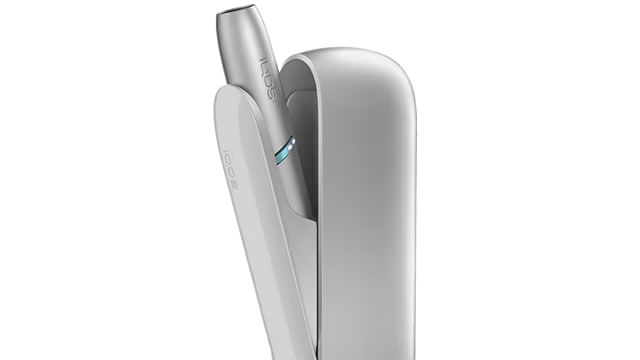
Philip Morris Raises FX Outlook as IQOS, ZYN Fuel Smoke-Free Growth
Philip Morris International NYSE: PM Chief Executive Officer Jacek Olczak said the company has revised its full-year guidance solely to reflect foreign-exchange movements, citing a favorable currency impact of about $0.24 at current spot rates. For the third quarter, the company expects a favorable currency effect of about $0.01, he said during a Barclays discussion hosted by Pallav Mittal, the bank's head of global tobacco.

Philip Morris: The U.S. May Be The Next Growth Leg (Rating Downgrade)
Philip Morris International is downgraded to Hold as valuation reaches the high end of its historical range. PM's growth is driven by smoke-free products, now 42% of net revenue, with strong execution in international markets. U.S. expansion, especially with IQOS and ZYN, remains a key growth catalyst, but regulatory risks and competitive pressures persist.

Philip Morris' ZYN ULTRA FDA Authorization Strengthens Smoke-Free Push
PM's FDA authorization for 11 ZYN ULTRA nicotine pouches expands its U.S. smoke-free portfolio and supports the long-term transformation.

Philip Morris Opens $1.2 Billion Manufacturing Campus to Grow Zyn Brand
Philip Morris International opened a $1.2 billion manufacturing campus in Colorado, part of the tobacco company's efforts to expand its Zyn portfolio and meet rising demand for nicotine pouches.

Philip Morris doubles Colorado campus investment to $1.2 billion
Philip Morris International said on Monday it had doubled its planned investment in its Colorado manufacturing campus to about $1.2 billion through 2028, as it expands production capacity for the Zyn nicotine pouch business.

Philip Morris: The Warnings In The Robust Performance (Rating Downgrade)
Philip Morris delivered strong Q2 2026 results, with 7.6% organic net revenue growth and robust smoke-free business momentum. However, there are concerns baked into the results. Notably, combustibles see a rise in revenue growth as the company is successfully pivoting away from traditional products. The U.S. market is also a drag on PM, and a reduction in two of three earnings forecasts isn't positive at a time when valuations are already stretched.

Philip Morris Trimmed Guidance, But Its Growth Story Looks Unshaken
Philip Morris International TodayPMPhilip Morris International$192.70 -1.60 (-0.82%) As of 09:39 AM Eastern This is a fair market value price provided by Massive. Learn more.52-Week Range$142.11▼$199.78Dividend Yield3.05%P/E Ratio27.07Price Target$200.33Add to WatchlistThe economy isn't the stock market, but there are times when the two align.
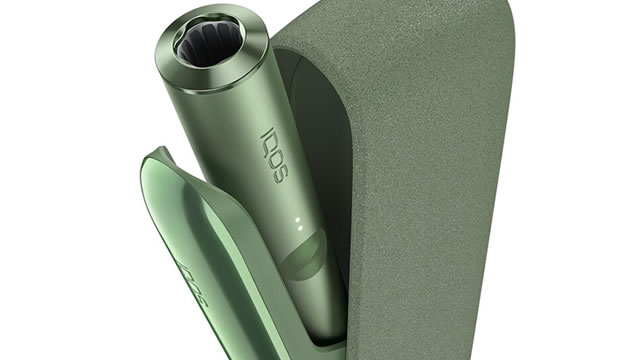
Philip Morris: The First $11 Billion Quarter Won't Be The Last
Philip Morris International delivered record Q2 2026 net revenues of $11.19 billion, with 15.2% adjusted EPS growth and expanding margins. Smoke-free products now comprise 42% of PM's revenues, with IQOS and ZYN driving global share gains and margin expansion. I remain bullish on PM, citing robust earnings growth, a 3% dividend yield, and clear capital allocation optionality post-deleveraging.




