



Rio Tinto Plc Sponsored ADR (RIO)





Rio Tinto (RIO) Acquisition of Arcadium Lithium (ALTM) Spurs Market Excitement
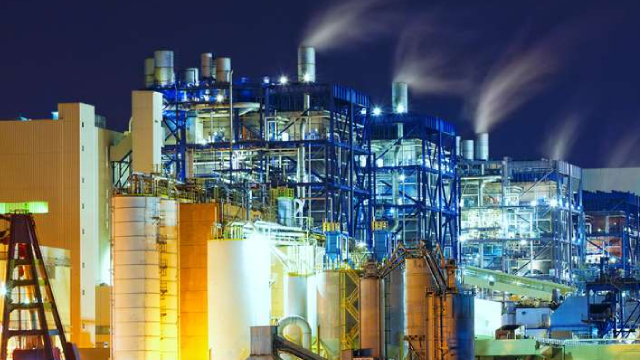
Rio Tinto (RIO, Financial) has announced its acquisition of Arcadium Lithium (ALTM), stirring excitement in the lithium industry and causing stock prices of related companies to surge. This strategic move positions Rio Tinto as the world's third-largest lithium producer, following Albemarle and SQM.

Rio Tinto (RIO) Is Considered a Good Investment by Brokers: Is That True?
When deciding whether to buy, sell, or hold a stock, investors often rely on analyst recommendations. Media reports about rating changes by these brokerage-firm-employed (or sell-side) analysts often influence a stock's price, but are they really important?

Rio Tinto swoops with takeover offer for $3bn lithium chemicals producer Arcadium
Rio Tinto Ltd (LSE:RIO, ASX:RIO, OTC:RTNTF) has made a takeover offer for Arcadium Lithium, a US$3.31 billion vertically integrated lithium chemicals producer. The FTSE 100-listed miner said its approach is non-binding for the New York Stock Exchange- and ASX-listed outfit, which Arcaium confirmed the approach and both companies said they would only provide further comments when there is further news to share.
Exclusive: Rio Tinto in talks to buy lithium miner Arcadium, sources say
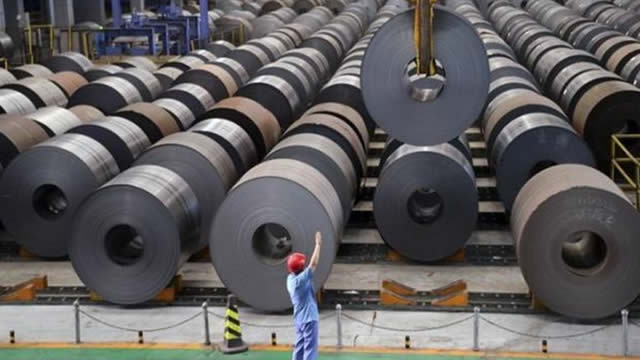
Rio Tinto has been holding talks to buy lithium miner Arcadium , three sources with direct knowledge of the negotiations said, a deal that would make Rio the third-largest producer of the electric vehicle battery metal.
Rio Tinto Completes the Acquisition of 11.65% Stake in Boyne Smelters
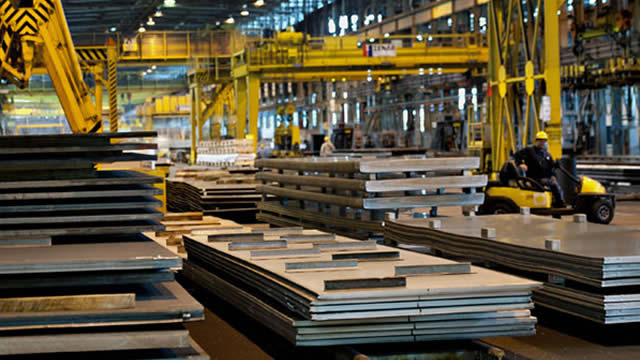
RIO acquires Mitsubishi's 11.65% interest in Boyne Smelters, taking its interest in the venture to 71.04%.
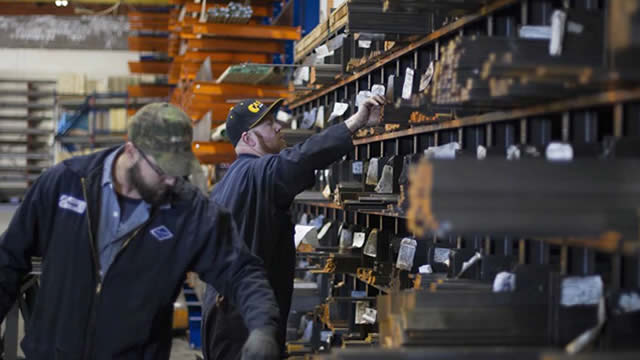
Rio Tinto's aluminium assets under-appreciated gem, suggests US broker
Rio Tinto Ltd (LSE:RIO, ASX:RIO, OTC:RTNTF) Canadian aluminium assets are world-class, under-appreciated assets, says broker Jefferies and make a key differentiator in the investment case for the mining giant. During a visit to its upgraded AP60 plant, Rio predicted North American aluminium demand (both primary and recycled) would grow at 4% compound annually through 2028.
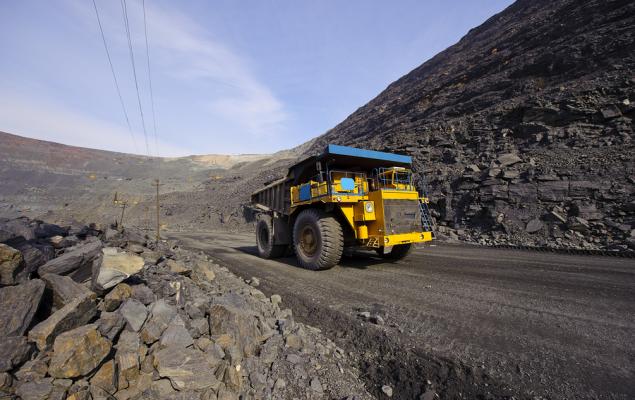
Rio Tinto's Share Price Increases 10% in a Week: How to Play It?
The RIO stock gains 10% in a weak and is trading at a 5% discount to its 52-week high. Let us take a look at its fundamentals to know whether investors should expect more gains.
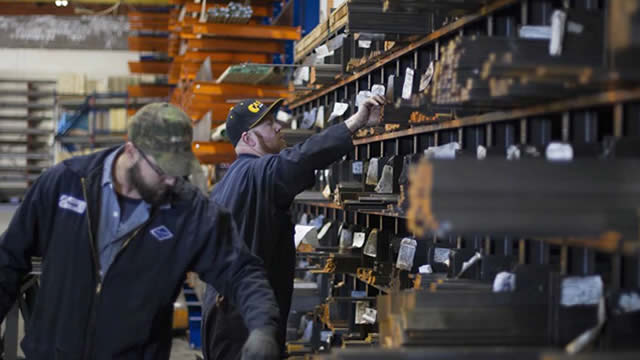
Here's Why This Mining Giant's Stock Surged This Week
An injection of liquidity into China's banking system will support demand for iron ore for steel. With global interest rates coming down, export demand will likely pick up for China, which means more steel demand.
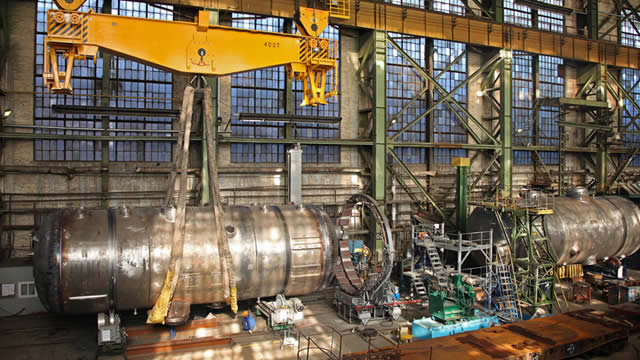
Rio Tinto: Big Picture Remains Unchanged
Multicommodity miner Rio Tinto (RIO) has seen a price uptick in recent weeks, but going by its fundamentals and market multiples, it's unlikely to continue. The company's big focus, iron ore, is expected to continue seeing price weakness. While metals like copper and aluminium can stabilise the financials, their uptick isn't enough for rapid improvements. RIO's market multiples don't justify further price rise either, though its dividend yield still looks good for investors targeting a sustainable passive income.
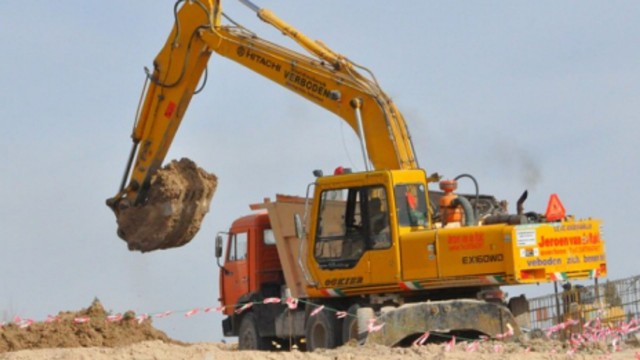
Uranium Energy trades up after announcing $175 million purchase of Rio Tinto's uranium assets
Michael McCrae is leading Kitco's coverage of the mining sector. McCrae, who has both an MBA and CMA, knows how to build digital media properties.
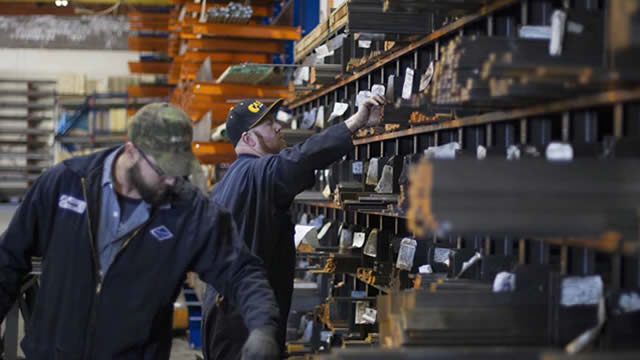
RIO to Test Biofuel Crop for Renewable Diesel Production in Australia
Rio Tinto announces a biofuel pilot in Australia that will explore the use of Pongamia seed oil as a feedstock for renewable diesel.
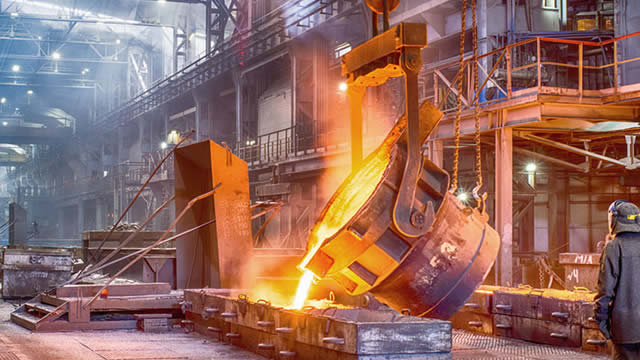
Is It Worth Investing in Rio Tinto (RIO) Based on Wall Street's Bullish Views?
When deciding whether to buy, sell, or hold a stock, investors often rely on analyst recommendations. Media reports about rating changes by these brokerage-firm-employed (or sell-side) analysts often influence a stock's price, but are they really important?




