



Rio Tinto Plc Sponsored ADR (RIOA)




Summary
RIOA Chart
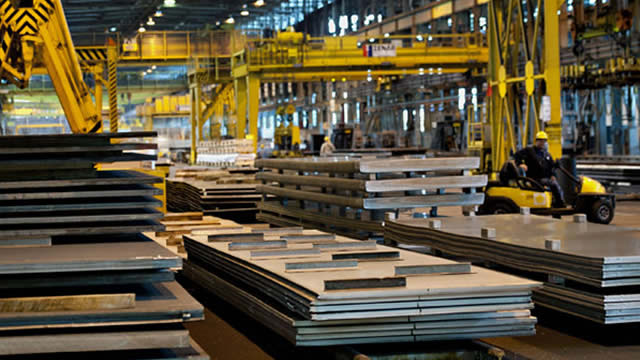
Rio Tinto Reports 2% Y/Y Increase in Q3 Iron Ore Shipments
RIO's iron ore shipments rose 2% y/y in Q3'26, while copper output varied across key mines as the company maintained its annual production guidance.
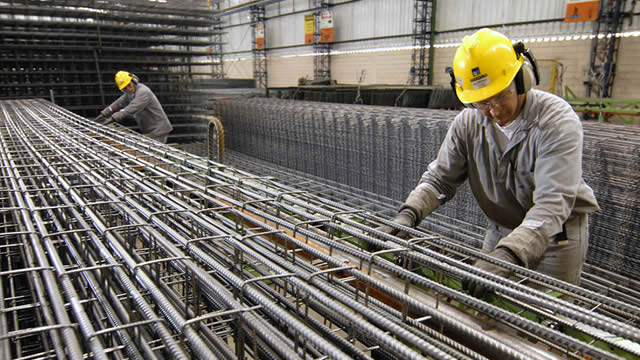
Rio Tinto keeps 2026 guidance as Oyu Tolgoi copper output jumps 27%
Rio Tinto Ltd (LSE:RIO, ASX:RIO, OTC:RTNTF) maintained its 2026 production and cost guidance after strong third-quarter performances from its Oyu Tolgoi copper operation and Pilbara iron ore business. Oyu Tolgoi copper production increased 27% year on year during the quarter and 29% over the first nine months, with the Mongolian operation running at an annualised rate of around 450,000 tonnes.
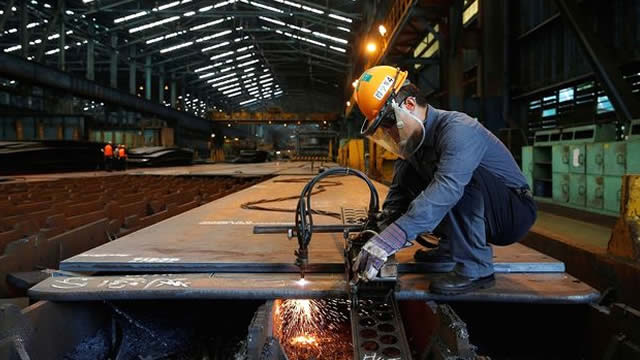
Rio Tinto secures long-term future of Tomago smelter with A$1.1 billion investment and renewable power deal
Rio Tinto PLC has welcomed a long-term power agreement that will keep Australia's largest aluminium smelter operating until 2038, backed by A$1.1 billion of investment and a transition to 100% renewable electricity from 2033. The agreement between Tomago Aluminium, the Australian Government and the New South Wales Government provides a pathway for the smelter to remain internationally competitive after its existing electricity contract expires on December 31, 2028.
Rio Tinto Plc Sponsored ADR (RIOA) FAQ
What is the stock price today?
On which exchange is it traded?
What is its stock symbol?
Does it pay dividends? What is the current yield?
What is its market cap?
Has Rio Tinto Plc Sponsored ADR ever had a stock split?
Rio Tinto Plc Sponsored ADR Profile
| Metals & Mining Industry | Materials Sector | Simon Callas Trott CEO | XFRA Exchange | 767204100 CUSIP |
| GB Country | 56,890 Employees | 14 Aug 2026 Last Dividend | 30 Apr 2010 Last Split | - IPO Date |
Overview
Rio Tinto Group is a global leader in the mining and processing of mineral resources, with a diverse portfolio that spans across iron ore, aluminium, copper, and various minerals. Founded in 1873 and headquartered in London, United Kingdom, the company has established a strong presence worldwide through its comprehensive operations that include exploration, mining, refining, and development of metal and mineral products. Its extensive network of open pit and underground mines, along with refineries, smelters, processing plants, and integrated power and shipping facilities, underscores its capability to meet global demand for essential materials. The firm is also actively involved in developing projects that focus on battery materials such as lithium, reflecting its commitment to addressing the needs of emerging technologies.
Products and Services
- Iron Ore
The Iron Ore segment of Rio Tinto involves mining iron ore, and producing salt and gypsum in Western Australia. These activities are fundamental to the global steel manufacturing industry, with iron ore being the primary raw material used to produce steel.
- Aluminium
This segment covers the entire aluminium production process, from bauxite mining, to alumina refining, and ultimately aluminium smelting. Aluminium, lightweight yet strong, is a crucial material for a variety of industries including automotive, aerospace, packaging, and construction.
- Copper
Rio Tinto's Copper segment focuses on the mining and refining of copper, along with gold, silver, molybdenum, and other by-products. Copper's excellent conductivity and malleability make it indispensable for electrical wiring, plumbing, and renewable energy applications.
- Minerals
This segment is engaged in the mining and processing of borates, titanium dioxide feedstock, and iron concentrate and pellets. Additionally, it oversees diamond mining, sorting, and marketing activities. The segment is notable for its venture into the development of battery materials, including lithium, which is essential for electric vehicles and renewable energy storage solutions.
Contact Information




