



Rio Tinto Plc Sponsored ADR (RIO)





Wall Street Analysts Think Rio Tinto (RIO) Is a Good Investment: Is It?
Investors often turn to recommendations made by Wall Street analysts before making a Buy, Sell, or Hold decision about a stock. While media reports about rating changes by these brokerage-firm employed (or sell-side) analysts often affect a stock's price, do they really matter?

Rio Tinto says Tomago aluminium contemplating ceasing operations
Rio Tinto , said on Tuesday it is contemplating ceasing operations at its New South Wales-based Tomago aluminium smelter at the end of its current electricity supply contract.
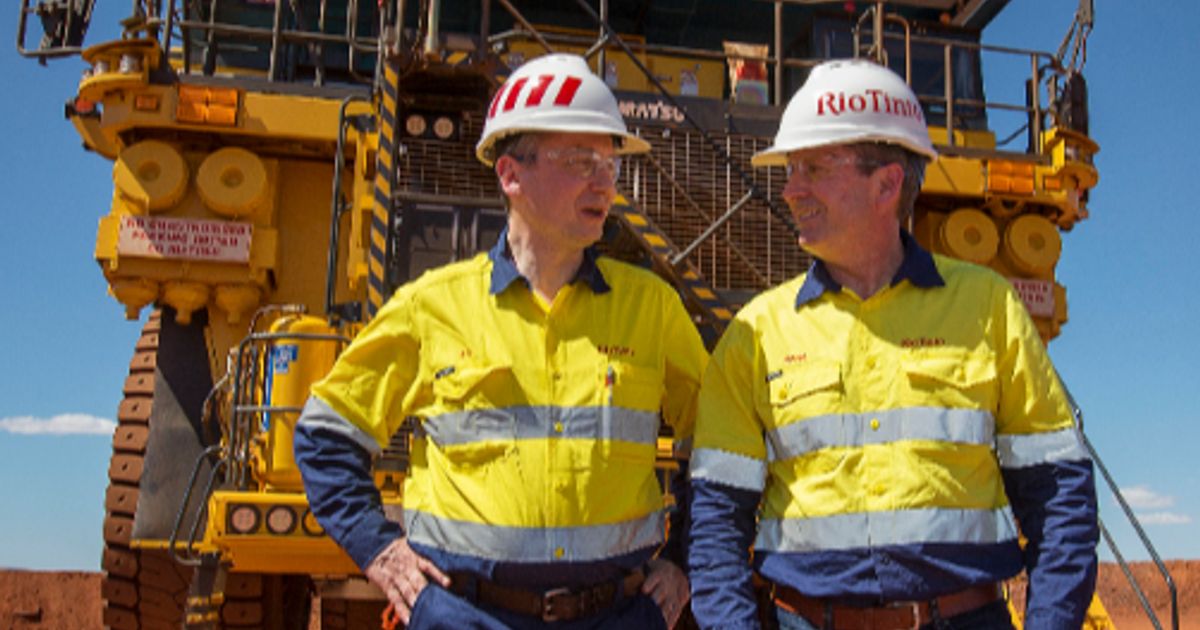
Rio Tinto's investment case may see "turning point" if a China asset swap can be agreed - analyst
Analysts at Citi have gamed out a potential asset swap between Rio Tinto Ltd (LSE:RIO, ASX:RIO, OTC:RTNTF) and its major shareholder Chinalco, claiming such a deal could be "a positive turning point" for the miner's investment case. Rio is exploring ways to exchange the Chinese state-owned group's $12.5 billion holding, Citi said, citing a report by Reuters, with the American bank's London-based analysts arguing that an arrangement for Chinalco's 11% shareholding in Rio may ease longstanding structural and geopolitical frictions.

Rio Tinto: Investing In The Future Begins Now
Rio Tinto (RIO) is positioned as a solid buy, leveraging major investments in copper, aluminum, and lithium for future growth. RIO's growth projects—Simandou (iron ore), Oyu Tolgoi (copper), AP60 (aluminum), and Arcadium (lithium)—are expected to drive earnings and capital appreciation. The stock offers a compelling over 5% dividend yield, with a manageable debt profile and strong capital allocation supporting shareholder returns.

Rio Tinto Reports a 1% Y/Y Increase in Q3 Iron Ore Production
RIO posts higher Q3 iron ore, Bauxite and copper output, raising its full-year guidance for key commodities despite shipment declines.

Is It Worth Investing in Rio Tinto (RIO) Based on Wall Street's Bullish Views?
The recommendations of Wall Street analysts are often relied on by investors when deciding whether to buy, sell, or hold a stock. Media reports about these brokerage-firm-employed (or sell-side) analysts changing their ratings often affect a stock's price.

RIO vs. NGLOY: Which Stock Is the Better Value Option?
Investors looking for stocks in the Mining - Miscellaneous sector might want to consider either Rio Tinto (RIO) or Anglo American (NGLOY). But which of these two stocks offers value investors a better bang for their buck right now?
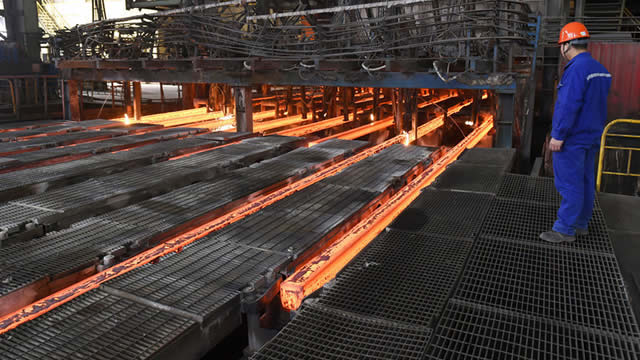
Rio Tinto Will Benefit From New Battery Technology
RIO is uniquely positioned to benefit from surging demand for copper and bauxite if aluminum-ion battery technology is commercialized, especially by Tesla. The stock is undervalued, offers a 6.7% dividend yield, and management is committed to a 60% payout ratio, supporting strong total returns. Even if the new battery technology fails, RIO's diversified mining operations and exposure to copper and lithium ensure continued profitability and dividend stability.

Rio Tinto downgraded after storming run; stock now up with events, says bank
Deutsche Bank has downgraded Rio Tinto Ltd (LSE:RIO, ASX:RIO, OTC:RTNTF) to 'hold' from 'buy', following a strong run in the shares driven by a rebound in iron ore prices. The broker argues that, while Rio continues to deliver solidly and will soon welcome a new chief executive, much of the good news is already reflected in the share price.

Rio Tinto shares slip on soft interim results
Rio Tinto Ltd (LSE:RIO, ASX:RIO, OTC:RTNTF) shares slipped lower on Wednesday after interim results showed the mining major's softest first half profit for five years. At $4.81 billion first-half underlying earnings were down 16% on the same period a year ago.
Is Rio Tinto (RIO) a Buy as Wall Street Analysts Look Optimistic?
Investors often turn to recommendations made by Wall Street analysts before making a Buy, Sell, or Hold decision about a stock. While media reports about rating changes by these brokerage-firm employed (or sell-side) analysts often affect a stock's price, do they really matter?
Rio Tinto weighs sale of titanium business amid weak prices
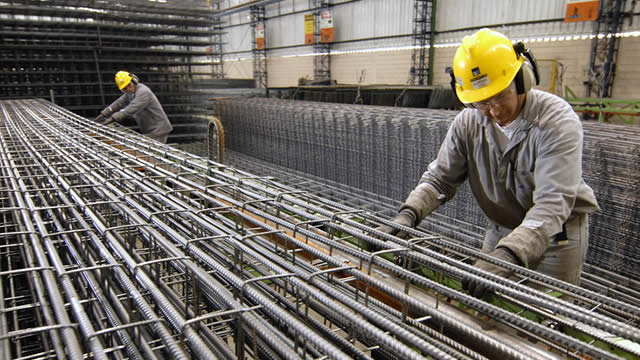
Rio Tinto Ltd (LSE:RIO, ASX:RIO, OTC:RTNTF) is evaluating strategic options for its titanium business, including a potential sale, amid persistently weak global prices and falling returns, sources familiar with the matter told Reuters. The review comes as incoming CEO Simon Trott prepares to take over next month, with expectations he will sharpen Rio's focus on core assets such as iron ore, copper, lithium, and aluminum.




