



UnitedHealth Group Incorporated (UNH)












Zacks Industry Outlook UnitedHealth, The Cigna, Humana, Centene and Molina
UnitedHealth, The Cigna, Humana, Centene and Molina have been highlighted in this Industry Outlook article.
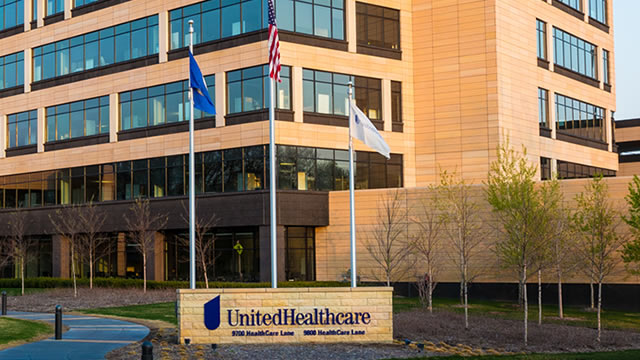
Is UnitedHealth Finding a Better Path to Medicare Advantage Growth?
UNH is prioritizing Medicare Advantage profitability over membership growth, using tighter benefits, pricing and cost controls to improve margins.

UnitedHealth Stock Looks Reasonable at 18.39X P/E: Should You Buy Now?
UNH's improving medical costs, higher EPS estimates and capital returns support its recovery, but regulatory risks remain.

Wall Street Bulls Look Optimistic About UnitedHealth (UNH): Should You Buy?
The recommendations of Wall Street analysts are often relied on by investors when deciding whether to buy, sell, or hold a stock. Media reports about these brokerage-firm-employed (or sell-side) analysts changing their ratings often affect a stock's price.

Can UNH's Lower Medical Costs Sustain the Earnings Recovery?
UnitedHealth's lower medical costs are fueling an earnings recovery, but rising commercial costs and 2027 pricing decisions could test its durability.

UnitedHealth's Medicare Recovery Is Accelerating And Has More Room To Run
Medicare Advantage cost trends are running below the original 10% assumption, while 2026 Medicare margins are expected to be above 3%. UnitedHealthcare's operating earnings outlook increased to at least $12 billion, while adjusted EPS guidance rose to $19.50–$20. UNH trades at 20.6x 2026E earnings and 18.1x 2027E, while consensus EPS reaches $22.44 in 2027.

Why UnitedHealth Group (UNH) is a Top Value Stock for the Long-Term
The Zacks Style Scores offers investors a way to easily find top-rated stocks based on their investing style. Here's why you should take advantage.

Is UnitedHealth Stock Still a Buy in August After Its Q2 Beat Last Month?
UnitedHealth Group (NYSE: UNH | UNH Price Prediction) reported Q2 2026 results on July 16, and the numbers cleared even the higher end of Wall Street's expectations.

UnitedHealth vs. Centene: Which Managed Care Stock Is the Better Buy?
UNH's diversified platform, AI expansion and Optum momentum strengthen its long-term outlook, making it the stronger managed care pick over CNC.

Wall Street Analysts Think UnitedHealth (UNH) Is a Good Investment: Is It?
Investors often turn to recommendations made by Wall Street analysts before making a Buy, Sell, or Hold decision about a stock. While media reports about rating changes by these brokerage-firm employed (or sell-side) analysts often affect a stock's price, do they really matter?
UnitedHealth's Cost-Control Story is Gaining Momentum: Time to Buy?
UNH's improving cost control, lower medical costs and higher 2026 outlook are boosting confidence as its profitability recovery gains traction.
UnitedHealth Pulls Back Post 52-Week High: Healthcare ETFs to Watch
UNH's post-earnings pullback follows a 52-week high, as stronger guidance offsets Medicaid pressures and spotlights healthcare ETFs with sizable exposure.




