











Walmart vs. The TJX Companies: Which Retailer Has the Edge in 2025?
WMT's tech-driven growth and strong returns give it the edge over TJX's global expansion and off-price appeal in 2025.
Walmart Sees Continued Comps Gains: Will Broad-Based Strength Support?
WMT's U.S. comps growth of 4.5% in the first quarter shows strength in essentials, e-commerce and private brands despite headwinds.

Walmart Working on Shoppable Ads for Vizio TVs
Walmart reportedly aims to enable consumers to make purchases through TV remotes and interfaces while they are watching TV shows. [contact-form-7] This plan is one of several that the retailer is working on after its $2.
Is Walmart (WMT) a Buy as Wall Street Analysts Look Optimistic?
The recommendations of Wall Street analysts are often relied on by investors when deciding whether to buy, sell, or hold a stock. Media reports about these brokerage-firm-employed (or sell-side) analysts changing their ratings often affect a stock's price.

Costco, O'Reilly, and Walmart: Together, These Retail Bulls Spell COW.
With FAANG a little dated, the Magnificent Seven struggling, and markets deeply uncertain, these high-multiple retail powerhouses get their own acronym.

Walmart, Amazon explore launching stablecoins amid push to cut card fees
Walmart Inc (NYSE:WMT, ETR:WMT) and Amazon.com Inc (NASDAQ:AMZN) are exploring launching their own US dollar-pegged stablecoins, a move that could reshape how consumers pay for goods online and in stores, according to the Wall Street Journal. The retail giants are looking to streamline payment processes and potentially bypass traditional banking systems, with an eye on reducing the billions they collectively spend on credit and debit card processing fees, the report said.

Walmart and Amazon Are Exploring Issuing Their Own Stablecoins
Corporate coins could take payments activity away from banks and the traditional financial system.
Walmart's stock looks like it's in trouble. What the chart says may come next.
Walmart's stock has suffered its longest losing streak in seven years, but the technical outlook remains bullish as it remains well above a key long-term trend tracker.
Walmart — Yes Walmart — Ready to Bet Big on AI
Walmart (NYSE:WMT) is not the first company that pops into mind when thinking of stocks betting big on artificial intelligence (AI).

Walmart Inc. (WMT) Presents at 2025 Evercore Consumer & Retail Conference Transcript
Walmart Inc. (NYSE:WMT ) 2025 Evercore Consumer & Retail Conference June 11, 2025 8:00 AM ET Company Participants Stephanie Wissink - Senior Vice President of Investor Relations Todd Sears - Senior VP & CFO of Sam's Club Conference Call Participants Gregory Scott Melich - Evercore ISI Institutional Equities, Research Division Gregory Scott Melich Well, good morning, everyone, to the second day of our Consumer and Retail Conference here for Evercore. I'm Greg Melich.
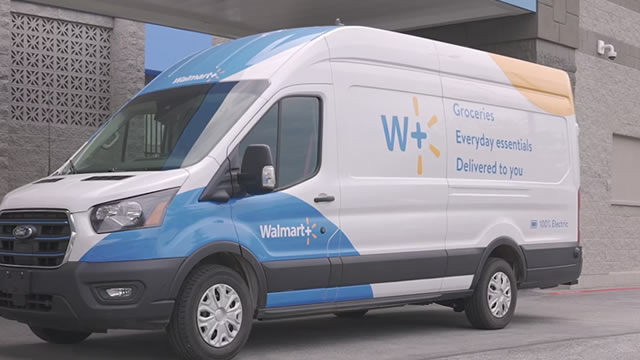
Walmart Stock Trades at a Premium Valuation: How to Play the Stock
WMT's strong growth and omnichannel edge fuel gains, but its premium valuation raises caution for new investors.
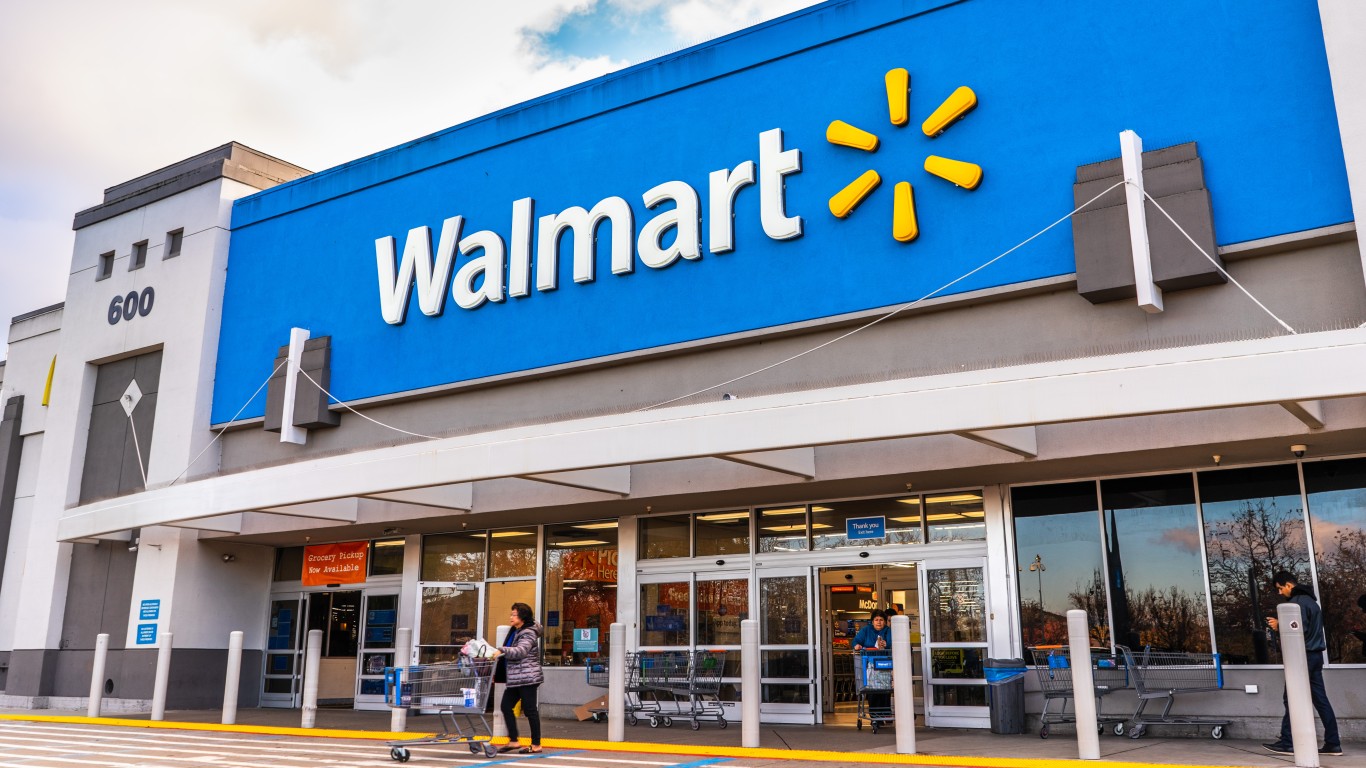
Why I Think Walmart and Aldi Grocery Prices Are the Same – Are We Alone in This Opinion?
As people all over the country are looking for any way possible to reduce their overall expenses, cheaper groceries are at the top of everyone’s list. Enter Aldi and Walmart, two of the more affordable grocery options available to most people. Key Points This Redditor is trying to gauge whether others agree with his assessment of which grocery store is cheaper. Comparing Walmart and Aldi pricing isn’t new, as both of these grocers aim to save people money. When you need more than just groceries, Walmart is the easy choice, offering a wide range of options, including electronics and a pharmacy. Are you ahead, or behind on retirement? SmartAsset’s free tool can match you with a financial advisor in minutes to help you answer that today. Each advisor has been carefully vetted, and must act in your best interests. Don’t waste another minute; get started by clicking here.(Sponsor) For one Redditor, they are trying to decide exactly which one of these two stores is less expensive. Posting in r/MiddleClassFinance, their admittedly unpopular opinion is that these two stores are far closer in pricing than most people believe. Grocery Shopping Duel It should go without saying that for most people, Aldi and Walmart are considered two of the least expensive grocery options. In this Redditor’s eyes, when they did some research on everyday items like milk, eggs, or meat, there was almost no difference in price. In fact, after becoming an Aldi believer for a while, the original poster switched back to Walmart after realizing they were not saving all that much. As a family of five living in Michigan, this Redditor is likely looking at slightly higher grocery bills with a few extra mouths to feed. However, they are also away from coastal cities where prices tend to be a little higher. So, is it true that Aldi and Walmart are close in price, or is this Redditor’s belief solely reserved for their scenario? Which Store Is Actually Cheaper? Even a quick Google search will tell you that Walmart and Aldi are likely to trade positions as the least expensive grocers. In the case of meat, there is a good chance that Aldi will win; however, as of the beginning of June 2025, online pricing is relatively even for eggs. The same goes for milk, where both stores are under $3 for 2% milk, so it’s a tie here as well. If you are someone who loves Almond Milk, Aldi takes the win. However, as you continue to explore other options, such as bananas, pasta sauces, and even dish soap, Aldi is generally a little less expensive. However, there is a significant caveat to saying that while Aldi might be cheaper, in some cases, “cheaper” only means a few pennies. In other words, this Redditor’s belief that these two stores are relatively close in price is not far off from reality. Moving on to the comments on this post, there is a fairly healthy debate about which one is cheaper, with no clear winner. Aldi does seem to receive more praise from people who regularly shop at both, but even they admit that the price difference is relatively small. What About Quality? While Aldi and Walmart may be close in price, it immediately raises the question of which store offers better quality. In this case, there is a pretty convincing argument that Aldi wins this category. It’s hard to pinpoint when Walmart’s reputation for quality began to take a hit, but it has certainly developed a reputation for being of lesser quality than its competitors. In the case of the original poster, they admit that while their Walmart has pretty good fruit, they have been to others where they wouldn’t touch the fruit at all. Other Redditors in the comments echo the same sentiment, expressing concerns that the quality of Aldi’s produce, pantry goods, meat, and other fresh goods is far superior. Aldi has a standout reputation right now for offering great quality at low prices, giving it an easy win in this category. The caveat is that if there isn’t an Aldi near you, shopping at Walmart will not only not break the bank, but you can certainly find quality items if you spend some time digging through fruits and vegetables. Of course, if you need something other than food, such as electronics or clothing, or want to buy a large quantity of plastic spoons and plates for a birthday party, there is a good chance most people will go to Walmart first. The post Why I Think Walmart and Aldi Grocery Prices Are the Same – Are We Alone in This Opinion? appeared first on 24/7 Wall St..




