



Walmart Inc. (WMT)








Walmart (WMT) Rises As Market Takes a Dip: Key Facts
In the latest trading session, Walmart (WMT) closed at $119.14, marking a +1.47% move from the previous day.
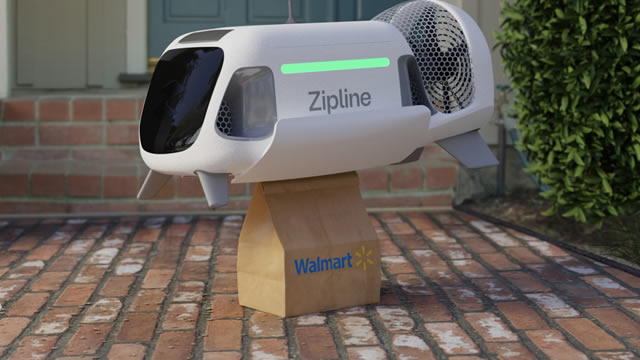
Walmart's Choice for New CEO Signals Intent to Expand Digital Footprint
Walmart's appointment of John Furner as its new CEO signals that the retailer intends to expand its digital footprint, Bloomberg reported Friday (Jan. 30). Furner, who currently leads Walmart US, will become CEO of Walmart Inc. on Sunday (Feb. 1), replacing current CEO Doug McMillon, who will retire.

Walmart's $611 Billion Annual Revenue: Breaking Down $1.7 Billion Per Day
Walmart (NYSE:WMT) generated $681 billion in revenue during fiscal 2025, translating to $1.87 billion per day.

Amazon, Walmart Fight War on 2 Fronts: Grocery and Healthcare
Amazon and Walmart are battling on two of the largest, most habitual spending categories in the U.S. economy: grocery and healthcare. The two largest retailers in the U.S. are rethinking the role of physical presence in an era defined by logistics, data and services.

WMT vs. TGT: Which Retail Stock Shows More Strength in Today's Market?
Walmart and Target navigate cautious consumer spending with tech upgrades, omnichannel growth and strategic shifts.

Walmart CEO Doug McMillon retiring as retailer gains more wealthy shoppers amid inflation
Walmart CEO Doug McMillon retires after 40 years, leaving behind a transformed retail giant that attracts higher-income shoppers through convenience.

Why Walmart Continues to Rally While Executives Sell the Stock
Walmart NASDAQ: WMT is currently defying gravity. The stock is trading near all-time highs, hovering around $118 per share, and the company is rapidly approaching a historic $1 trillion market capitalization.

Here's how Amazon is looking to take on Walmart at its own game
Amazon is looking into opening a supercenter retail location, while closing its Amazon Go and Amazon Fresh physical stores.

Walmart's AI Adoption Rises: Could Tech Productivity Drive Margins?
WMT's expanding AI use boosts productivity in tech, e-commerce and operations, raising the question of whether efficiency gains can support margins.

Walmart (WMT) Upgraded to Buy: What Does It Mean for the Stock?
Walmart (WMT) has been upgraded to a Zacks Rank #2 (Buy), reflecting growing optimism about the company's earnings prospects. This might drive the stock higher in the near term.

Why Walmart (WMT) is a Top Value Stock for the Long-Term
The Zacks Style Scores offers investors a way to easily find top-rated stocks based on their investing style. Here's why you should take advantage.

Brokers Suggest Investing in Walmart (WMT): Read This Before Placing a Bet
When deciding whether to buy, sell, or hold a stock, investors often rely on analyst recommendations. Media reports about rating changes by these brokerage-firm-employed (or sell-side) analysts often influence a stock's price, but are they really important?




