



ProShares Ultra Silver (0KQ0)
 LSE
LSE  ARCA Primary LSE
 Summary
0KQ0 Chart
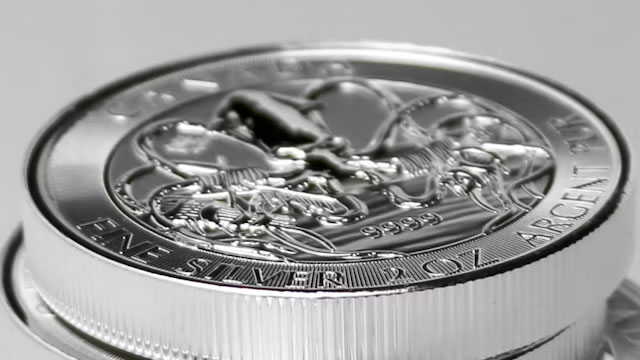
If Silver Has Bottomed, AGQ Can Magnify The Next Rally
ProShares Ultra Silver ETF (AGQ) is rated a Buy, but only as a short-term trading tool, not a long-term investment. AGQ's leverage amplifies silver's volatility, requiring disciplined risk-reward management, stop-loss planning, and profit-taking strategies. Silver's bullish trend is intact, supported by a persistent supply-demand deficit and technical support above the 1980 high of $50.36/oz.
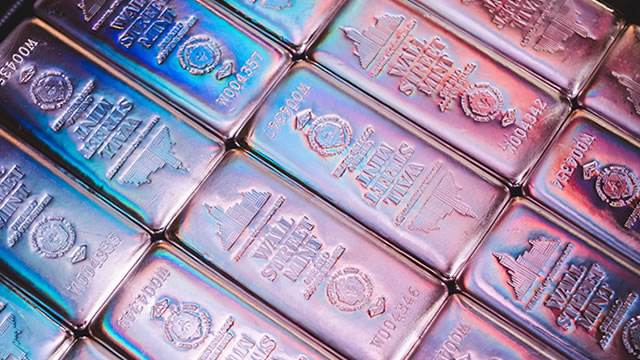
AGQ: Silver's Round Trip From $121 To $58 Is Exactly Why This 2x ETF Is A Sell
ProShares Ultra Silver ETF is rated Sell due to structural decay from its 2x daily-reset leverage, not because of a bearish silver outlook. AGQ consistently underperforms unlevered silver ETFs like SLV and SIVR, delivering only about 24% return versus SLV's 56% over the past year. Over nearly 17 years, AGQ compounded at 2% annually versus SIVR's 8.44%, turning $10,000 into $14,100 versus $39,600, highlighting persistent value leakage.
Silver falls towards $58.50: what is driving the latest price decline?
Silver fell towards $58.50 an ounce on Friday as a modest rebound in the US dollar prompted traders to trim positions after two sessions of gains. The metal was down about 0.8% at $58.52 in early trade, snapping a brief recovery that followed the Federal Reserve's decision to keep interest rates unchanged.
ProShares Ultra Silver (0KQ0) FAQ
What is the stock price today?
On which exchange is it traded?
What is its stock symbol?
Does it pay dividends? What is the current yield?
What is its market cap?
Has ProShares Ultra Silver ever had a stock split?
ProShares Ultra Silver Profile
| LSE Exchange | US Country |
Overview
The outlined fund is an investment entity that primarily targets achieving its investment objective through the allocation of funds into a diverse array of financial instruments. These instruments include, but are not limited to, swap agreements, futures contracts, forward contracts, and option contracts, all based on a specific benchmark. The fund’s investment focus does not involve direct investment in commodities. Instead, it leverages various financial contracts to potentially gain from market movements. The choice and combination of financial instruments are subject to change daily at the discretion of the Sponsor, highlighting a flexible approach to fund management and adaptation to market conditions.
Products and Services
- Swap Agreements
- Futures Contracts
- Forward Contracts
- Option Contracts
Swap agreements are a type of financial contract through which two parties agree to exchange the cash flows or liabilities from two different financial instruments. This tool is often used to manage risk, speculate on changes in the market, or gain access to additional assets or markets without needing direct ownership.
Futures contracts are standardized legal agreements to buy or sell something at a predetermined price at a specific time in the future. They are commonly used for hedging risk or for speculative endeavors on the future price of an asset.
Similar to futures, forward contracts are agreements to buy or sell an asset at a future date for a price that is determined today. However, unlike futures, forwards are not traded on exchanges and are instead customized agreements between two parties. This customization allows for more flexibility in terms of contract terms but also introduces counterparty risk.
Option contracts give the holder the right, but not the obligation, to buy (call option) or sell (put option) an asset at an agreed-upon price before a certain date. Options are used for hedging, speculation, or to leverage an investment. They can provide the potential for high returns while limiting the loss to the premium paid for the option.
Contact Information




