







Gold holds below $4,000, silver below $60 — has the shimmer worn off the precious metal rally?
Spot gold held below the $4,000 mark on Thursday, while spot silver traded below the $60 level. Gold is down almost 8% so far this year, while silver has shed more than 20%.
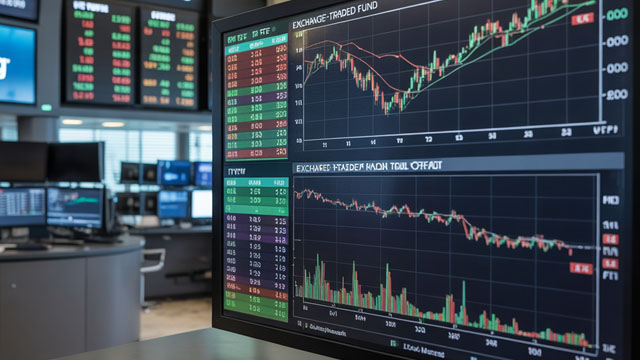
Gold (XAUUSD) & Silver Price Forecast: Gold Breaks $3,980 as Silver Dives to $57 Amid Ceasefire — Bearish Turn?
As the ceasefire remains intact beyond nine weeks amid Iran-Israel tensions, gold found support at $3,987 with bearish structure while silver fell to $57.20. Strong central bank demand and silver's industrial shortages keep the longer-term outlook constructive.
Gold Edges Higher, But Fed Rate-Hike Expectations Weigh
Gold edged higher in early Asian trade. The precious metal has been pressured by a resurgent dollar and last week's hawkish FOMC meeting, IG said.

Gold's 28% correction is painful, but history suggests the bull market isn't over
The gold market is struggling to hold support at $4,000 an ounce, and although this has been a critical level of focus in recent weeks, analysts say that the current bear-market correction should not signal the end of the long-term bull market.

The Price of Gold Sinks Under $4,000 for the First Time Since November
Gold has less glitter these days.

Gold And Silver Prices Fall To Seven-Month Lows
Following a months-long historic price rally, gold and silver hit all-time highs in late January. Gold, at its peak, was priced at about $5,600 an ounce, while silver hit about $121.

Gold breaks $4,000 as dollar rally pressures metals
(Kitco NewWire) - Spot gold and silver prices are under heavy pressure in early U.S. trading Wednesday, as a stronger U.S. dollar, renewed Fed-rate repricing and easing oil-supply fears continue to weigh against haven demand.

Gold Lower Amid Weak Sentiment
Gold was lower in early Asian trade amid weak sentiment.
China gold imports hit 26-month high in May, up 76% YTD
China's gold imports reached their highest monthly level in over two years in May, with the world's number-one gold market showing a strong appetite for bullion as prices remained 25% below their early 2026 highs.China imported approximately 163 tonnes of gold last month, the largest monthly total since March of 2024, according to the latest customs data released over the weekend. Bullion import volumes year-to-date totaled around 692 tonnes through May, a 76% increase from the same period in 2025.

Comex Gold Settles 1.24% Lower at $4129.90
Gold settled 1.2% lower and silver fell nearly 5.4%, with both metals down for a third-consecutive session.
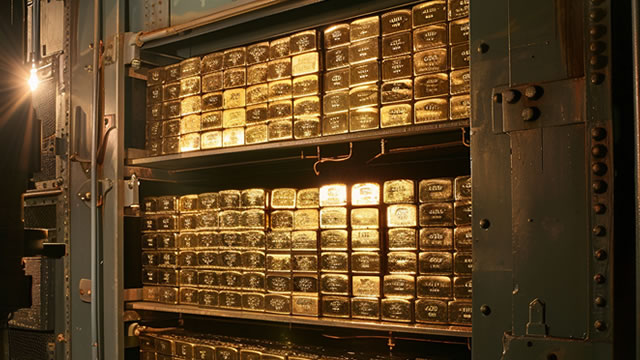
Deutsche Bank cuts 2026 gold price targets to $4,300/oz for Q3, $4,800/oz in Q4 as investor demand drops
Demand for gold continues to evaporate as investors grow more concerned about the Fed's monetary policy outlook, necessitating a reduction of around 20% to gold price targets for the second half of 2026, according to Michael Hsueh, research analyst at Deutsche Bank.“Fed repricing, together with resilient US macro data, has played the primary role in pushing gold lower,” Hsueh wrote in a research note published Tuesday.

Spot gold rises from session lows as flash S&P composite PMI improves to 52.2
The gold market is rising off of its earlier session lows after the latest U.S. data showed the services and manufacturing sectors improving beyond expectations this month.S&P Global reported on Tuesday that its flash Composite Purchasing Managers Index (PMI) rose to 52.2 in June, up from May's reading of 51.5. The number was above expectations, as economists had forecasted a reading of 50.8.




