






Gold price could triple if 1970s bull market pattern holds, says Jeff Clark
Gold's sharp correction this year may be unsettling for investors, but one market strategist argues the precious metal remains firmly within a historic bull market that is tracking one of its most historic rallies almost “tick for tick.”

$4,075/oz gold is now in play, and the price will need to challenge $4,600 before bullish momentum resumes – Saxo Bank's Hansen
Gold is trading firmly below its 200-day moving average as labor market strength and rising inflation reinforce the higher-for-longer rate narrative, which are supporting bond yields and the dollar, with $4,075/oz gold now in play, but long-term fundamentals remain supportive, according to Ole Hansen, head of commodity strategy at Saxo Bank.In a new update published Tuesday, Hansen noted that gold's slide below the 200 DMA constitutes an important setback that goes beyond technical damage.
Gold Extends Slump, Hits New 2026 Lows, As Bears Grip Markets
Gold, Silver and Bitcoin have all fallen sharply over the past five months.
Gold's Focus Now Turns to Continuation of Downtrend, Chart Shows
Gold's focus now turns to continuation of the downtrend, based on the daily chart, FOREX.com said.

Gold And Silver Price Hit 2-Month Lows Following Iran Tensions, Interest Rate Hike Fears
Several analysts attributed Tuesday's decline in prices to Iran war tensions and expectations the Federal Reserve may hike interest rates, which typically puts downward pressure on metals. Ole S. Hansen, head of commodity strategy at Saxo Bank, said in a post on X silver is experiencing a “renewed bout of weakness” as investors wait for more clarity on “inflation, energy prices, and the Federal Reserve's policy path.
Platinum, palladium extend losses as Bank of America maintains bullish year-end price outlook
While most investors have been focused on gold's recent breakdown, there has been a broad-based sell-off in the precious metals complex, with platinum group metals feeling the brunt of the sell-off.
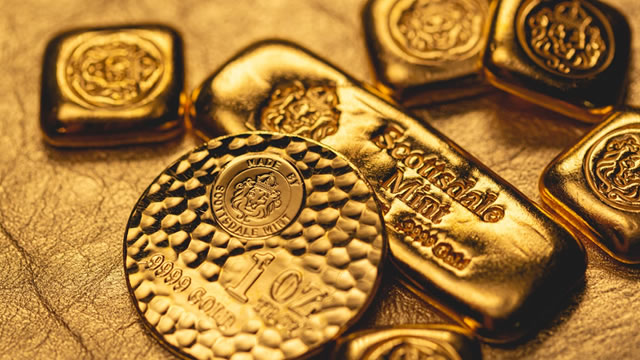
The Price of Gold Is Flat in 2026. Some Analysts Are Still Bullish—But Not in the Short Term.
It's been a rough year for gold bulls.

Gold price continues to struggle as U.S. Existing Home Sales rise 3.2% in May
The gold market continues to struggle to attract new bullish attention and could see renewed selling pressure as the U.S. housing market appears to be stabilizing.
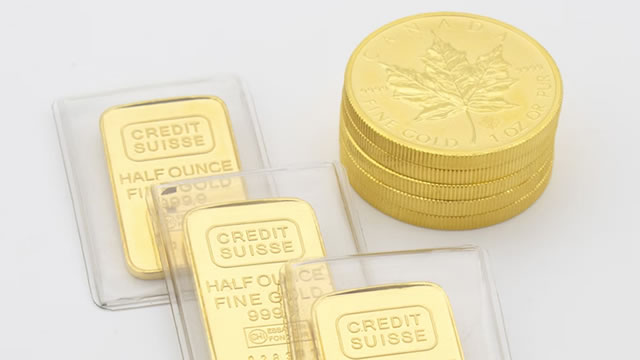
Gold Falls as Geopolitical Tensions Spark Inflation Concerns
Gold fell. Increasing inflation concerns amid renewed geopolitical tensions in the Middle East could be reinforcing expectations of a more restrictive monetary-policy stance, Hola Prime said.

Gold holds near $4,330 as oil pares Iran-Israel risk premium - Kitco PM Report
Spot gold prices were near steady and spot silver prices were firmer in late-afternoon U.S. trading Monday, as perceived safe-haven demand tied to renewed Middle East tensions was offset by firmer rate expectations after Friday's U.S. jobs report.
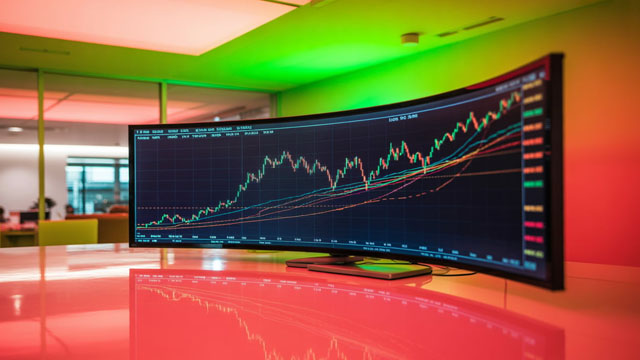
Gold could test $4,000 support as inflation risks loom, but long-term bullish outlook remains
After Friday's breakdown, gold prices could have further to fall, but some analysts believe investors should ignore the noise and focus on the bigger picture.

China increases gold reserves by 9.95 tonnes in May for 19th straight month of purchases
The People's Bank of China (PBoC) increased its gold reserves by nearly 10 tonnes last month, its 19th consecutive month of bullion purchases, according to the latest government data.The State Administration of Foreign Exchange (SAFE) announced on Sunday that China's official gold reserves rose by 320,000 troy ounces or 9.95 tonnes in May to a total of 74.96 million troy ounces or 2331.52 tonnes.




