


Deglobalization sparks race for strategic resources, driving gold and copper outlook - Sohn Montreal
A shift in the global economic order is triggering a worldwide race for physical resources, creating the conditions for a sustained commodity bull market and reinforcing gold's role as a critical reserve asset, according to two leaders in global financial markets.

China's gold market is cooling, multiple metrics show
China's gold market, which along with central bank demand has been one of the central pillars of the multi-year gold rally, has shown definite signs of cooling in recent weeks. “Amid heightened market uncertainty, gold ETFs have seen an overall reduction in assets under management, with several funds experiencing significant net outflows,” noted a report from Gelonghui Finance.
Comex Gold Settles 0.88% Higher at $4475.80
Gold settled 0.9% higher, up four of the past six sessions, and silver rose 0.4%, up two of the past three sessions.
Gold News: Gold Price Rebounds From 200-Day MA as Rate-Cut Bets Return
Gold price rallies after rebounding from the 200-day MA as falling oil, lower yields, and renewed Fed rate-cut hopes boost XAU/USD ahead of NFP.

Spot gold reclaims $4,500/oz after U.S. weekly jobless claims rise to 225k
Gold prices were holding above $4,500 per ounce on Thursday morning following the release of worse-than-expected labor market data after the number of Americans filing new claims for unemployment benefits were above economists' forecasts.
Gold (XAUUSD) & Silver Price Forecast: Gold Breaks $4,500 as Silver Slips to $73 — Support or More Pain?
As the ceasefire remains intact beyond nine weeks and oil flows gradually normalize, gold faced strong selling pressure under $4,500 while silver slipped to $73.34. Strong central bank demand and silver's industrial shortages provide longer-term resilience.

Nikkei 225 sinks as US-Iran clashes spark fresh risk-off trade
Asian equities fell on Thursday as renewed fighting between the United States and Iran pushed investors back towards safer assets, even as oil prices eased after Israel and Lebanon moved to implement a ceasefire. MSCI's Asia-Pacific ex-Japan index dropped 1.5%, while S&P 500 e-mini futures slipped 0.5%.
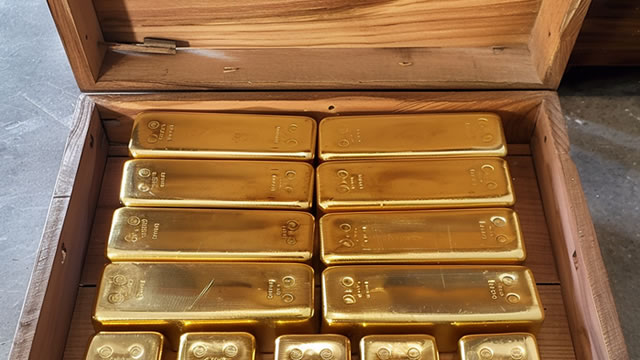
TD Securities cuts H2 2026 gold price forecasts as markets price in Fed rate hike
Rising expectations that the Federal Reserve will have to hike interest rates rather than cut them by the end of the year continue to take their toll on the precious metals market, with gold prices falling below $4,500 an ounce on Wednesday.

Gold off session lows after ISM Services PMI rises to 54.5 in May
The U.S. service sector improved above expectations last month, according to the latest data from the Institute for Supply Management (ISM).The ISM announced on Wednesday morning that its Services Purchasing Managers Index came in at 54.5 in May, up from 53.6 in April. The data was better than expected, as economists were looking for a reading of 53.8.
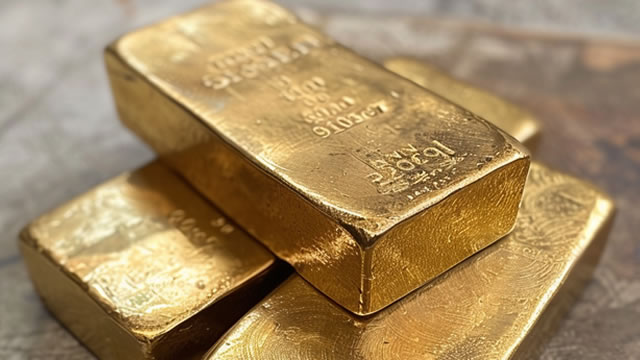
Gold Price Analysis – Gold Drifts Lower on Wednesday
Gold drifts a little bit lower early on Wednesday, as traders continue to see a consolidation range play out. The noise coming out of the Middle East continues to be a concern in this market.

Gold Futures' Technical Backdrop Likely Improved, Charts Show
Gold futures' technical backdrop has likely improved in recent weeks, StoneX's Matt Simpson says in commentary. Prices have repeatedly found support around $4,400 an ounce and momentum indicators are starting to turn higher, the senior market analyst says.
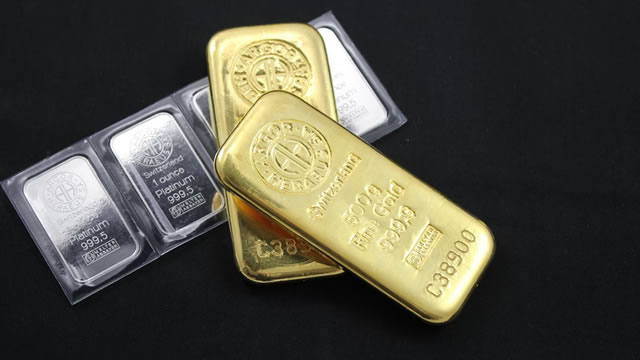
Gold (XAU/USD) Price Forecast: Tight Range Builds Breakout Pressure
Gold continues to compress within a symmetrical triangle as overlapping support and resistance levels cluster, suggesting an imminent breakout decision as volatility contracts near key moving averages.


