





Aave
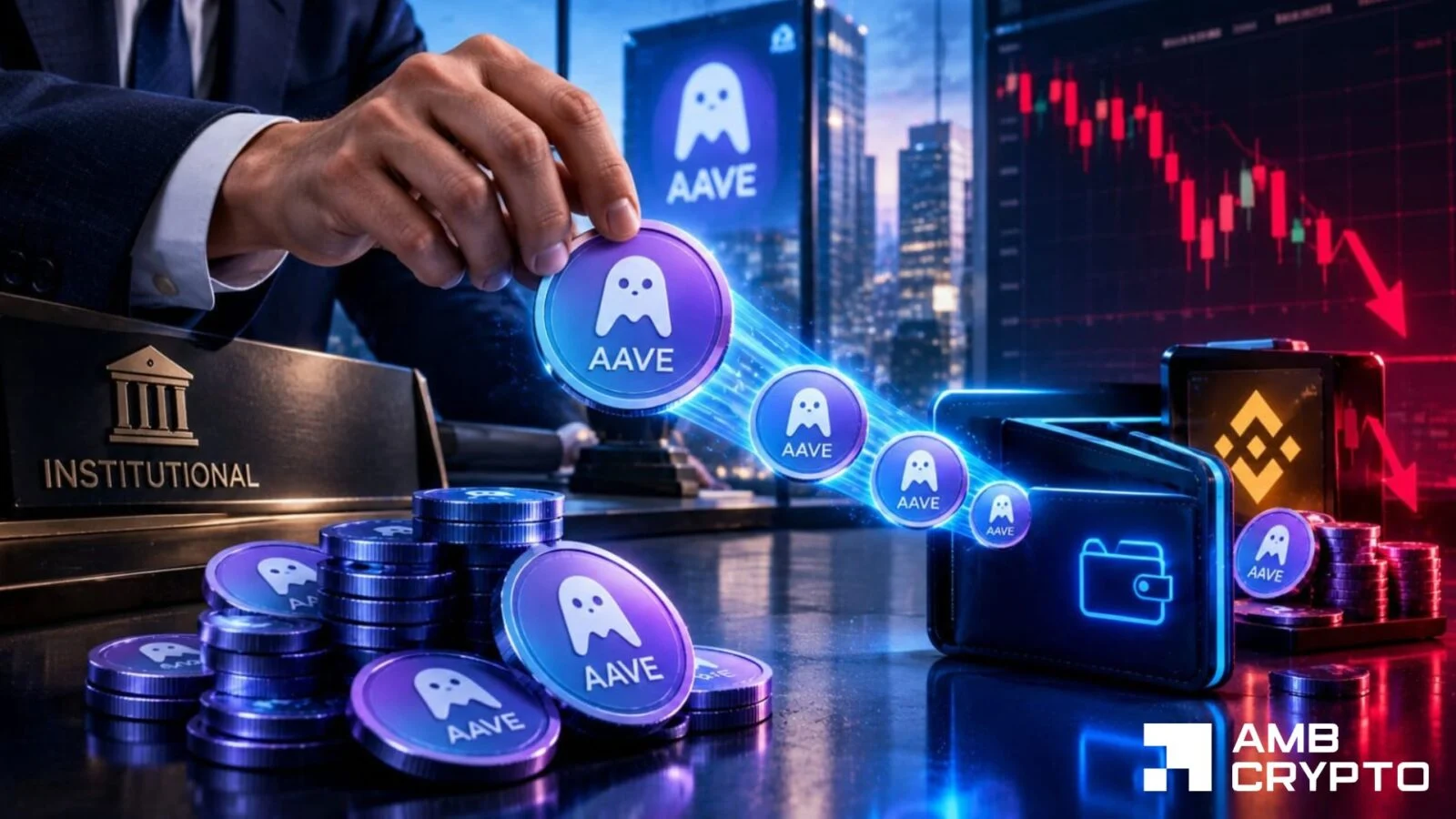
AAVE whale moves $22.8M in tokens – Is $140 support at risk?
A long term institutional investor moved 156,690 AAVE, worth $22.86 million, possibly to sell

AAVE Price Drops 6% as DeFi Token Breaks Key Support Despite New Lending Markets
AAVE falls roughly 6% as selling pressure pushes the DeFi token below $140 despite new lending markets and Bitcoin collateral proposals.

Crypto: Aave Tightens USDT Borrowing Rules to Safeguard Liquidity
Aave has just changed the borrowing conditions of USDT on its Ethereum V3 Core crypto market. Since October 21, rates increase faster as soon as 92% of liquidity is borrowed, compared to 94% previously.

Aave Lowers Tether USDt Borrowing Rate Threshold to 92%
At 85.6% utilization, the proposed curve would lift modeled borrowing APR from 4.10% to 4.19%; the 7% figure applies only at a hypothetical 94% utilization.

Aave (AAVE) Falls 5.29% to $140.12, Below Oct. 22 Band
At 7:46 a.m. ET Saturday, the token was 51 cents below a lower Bollinger Band level listed two days earlier.

Aave Adds Earn Tool to Aave Pro for Comparing Crypto Yields
Users can compare assets by APY, select an Aave V4 market and deposit through the new feature.

134,007,665 USD Coin (USDC) Figure Is 27,665 Above Earlier Aave Total
The 134,007,665 USDC figure is valued at about $133,977,825.
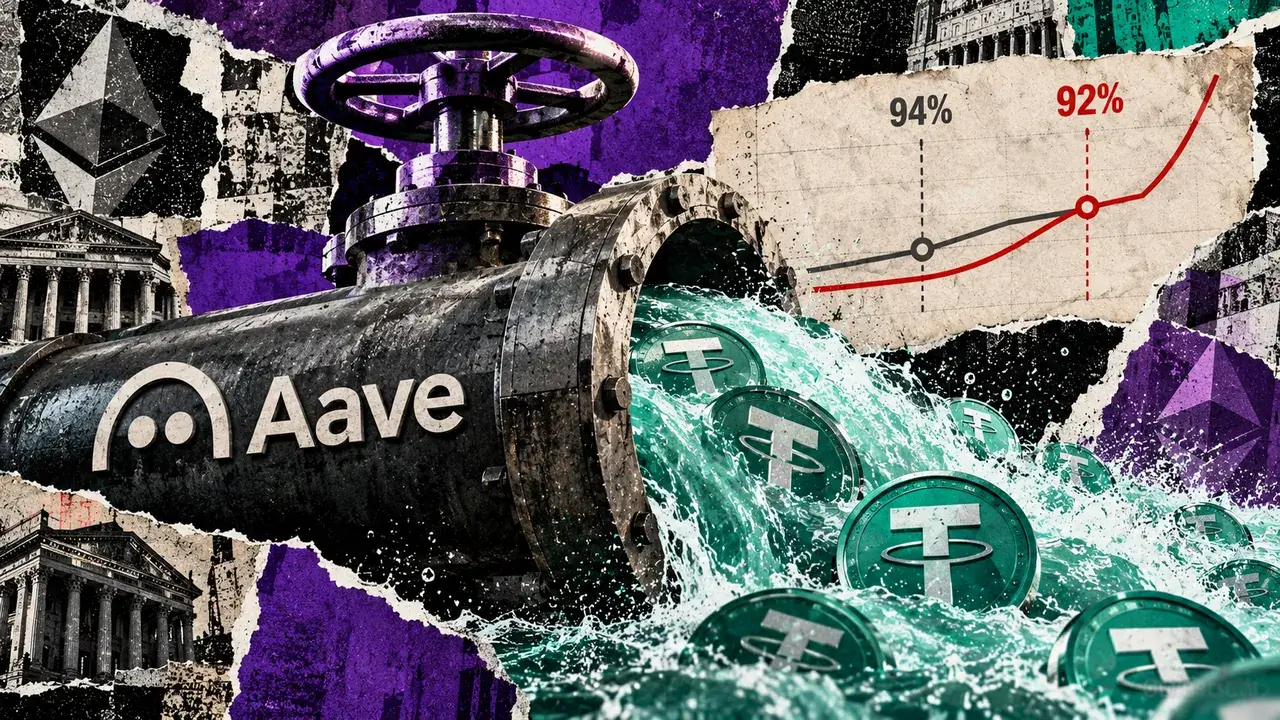
Aave changes USDT borrowing rules and loan costs suddenly jump
The October 20 fixed-supply model underlies the cushion; the implemented 92% threshold adds no cash or guaranteed exit. Read the full story on CryptoSlate Understand the crypto stories that matter and what to watch next.
Aave V4 Opens Institutional Lending Markets for Ripple's RLUSD and PayPal's PYUSD
Aave V4 launches three Sentora-curated lending markets for Ripple's RLUSD, PayPal's PYUSD and OUSD on Ethereum, expanding institutional DeFi.

Aave Opens Three Externally Curated V4 Markets on Ethereum
The markets let users borrow RLUSD, PYUSD and OUSD against yield-bearing and blue-chip collateral.

Aave V4 launches first externally curated lending markets with Sentora
Aave has launched its first externally curated lending markets on V4 through a partnership with institutional DeFi platform Sentora, allowing users to borrow three stablecoins against selected crypto assets on Ethereum.

Aavenomics 3.0 Adds Staking to Aave (AAVE) Buyback and Burn Plan
Aave's buyback program has a $50 million annual budget, with weekly purchases ranging from $250,000 to $1.75 million.




