





Aave

Aave drops 18% in TVL after KelpDAO exploit, but is REAL damage deeper?
AAVE's drop shows collateral failure and liquidity exits reshaping risk across the protocol and wider DeFi markets.

A $300M borrowing spike on Aave signals liquidity crunch after exploit
The aftershocks of the Saturday's KelpDAO hack are spreading through stablecoin markets in ways that were not immediately obvious.

DeFi Hack: Aave and LayerZero Hit by Sophisticated DPRK Attack
DeFi confidence hits a new low as Aave freezes markets following a sophisticated $293M exploit on Kelp DAO's rsETH, linked to North Korea's Lazarus Group.

AAVE price sinks 18% as KelpDAO exploit spreads – What happened?
Aave freezes rsETH as bad debt hits $290 million.
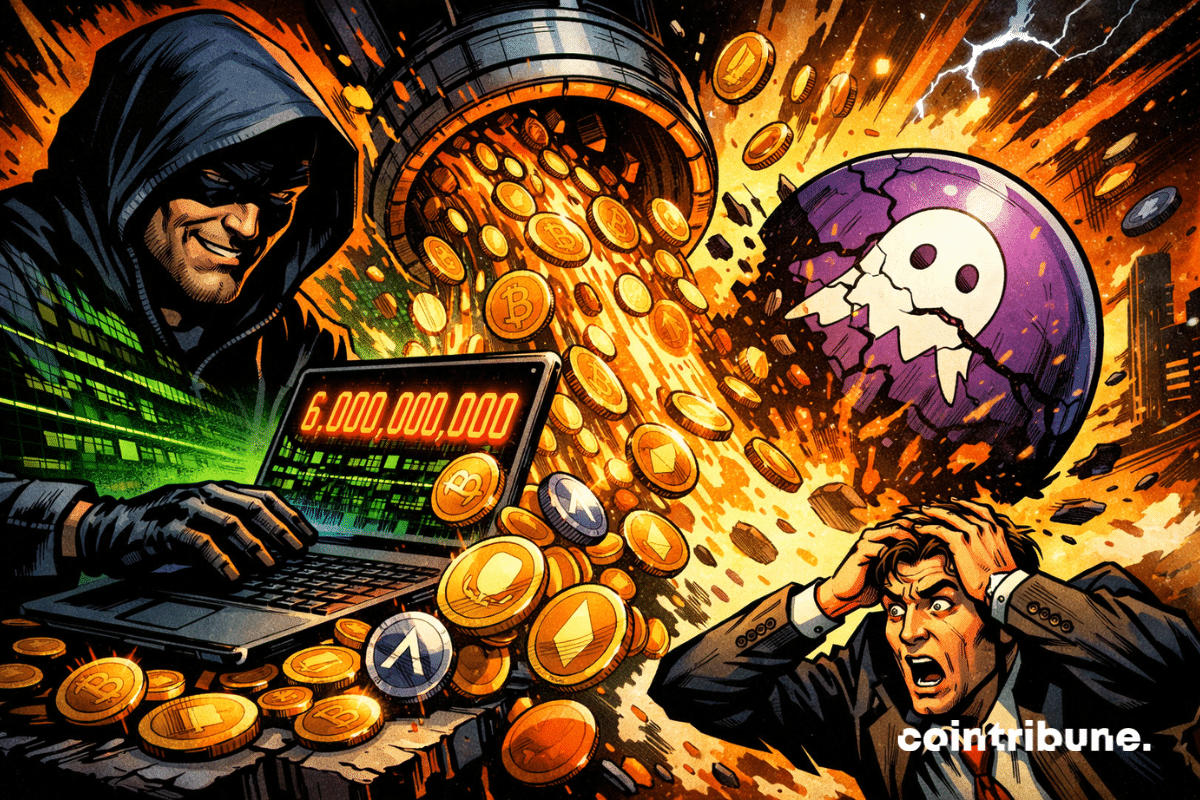
Crypto : The Kelp Hack Plunges Aave into Turmoil
Aave lost more than 6 billion dollars of deposits after the Kelp hack, and this is exactly what the crypto market is sanctioning today. The protocol was not hacked directly.

DeFi Lender Aave Battles Withdrawal Crisis After KelpDAO rsETH Exploit
Aave, one of DeFi's largest lending protocols, is managing a liquidity crisis and an estimated $177 million to $200 million in bad debt after attackers siphoned 116,500 rsETH from Kelp's bridge on Saturday, deposited the tokens on Aave V3 as collateral, and borrowed wrapped ether (WETH) against them.

Aave records $6 billion TVL drop as Kelp hack exposes structural risk at DeFi lender
The AAVE token fell 16% and deposits fled the protocol after attackers used drained rsETH as collateral to borrow wrapped ether, leaving Aave to quantify how much bad debt it is now carrying.

$292 Million rsETH Bridge Exploit Triggers DeFi Market Freeze, Aave Halts Activity
Kelp DAO's LayerZero-based rsETH bridge has been hit by what appears to be a major exploit, with early estimates pointing to losses of roughly 116,500 rsETH—about $292 million—an incident that quickly rippled through DeFi lending markets and sparked fresh concerns about cross-chain security. Kelp DAO said it identified suspicious cross-chain activity tied to rsETH and moved to halt rsETH contracts across mainnet and multiple layer-2 networks.

AAVE Price Drops After DeFi Exploit Triggers Liquidation Cascade — Is $85 Next?
Aave is dealing with the aftermath of a DeFi exploit, but the real damage came after. The event sparked a liquidation cascade that wiped out leveraged positions and pushed the price into a weak demand zone. Now, with support under pressure and traders reloading positions, the market looks far from stable.

Whales Dump $6 Million in AAVE as KelpDAO Hack Sends Token Crashing 20%
Aave's token got crushed on April 19. AAVE dropped more than 20% after a KelpDAO exploit triggered panic selling among big holders and pushed the protocol's ETH pool to the breaking point.

Whales Are Bailing: Why AAVE Just Crashed 22% After the $294M KelpDAO Hack
Here's what happened after the largest security incident of 2026 to one of the used protocols.

KelpDAO exploit creates $236M bad debt risk for AAVE, Ethereum drops 3%
The exploit highlights vulnerabilities in DeFi protocols, increasing market volatility and investor anxiety, impacting Ethereum's stability. KelpDAO exploit creates $236M bad debt risk for AAVE, Ethereum drops 3%.




