





Aave
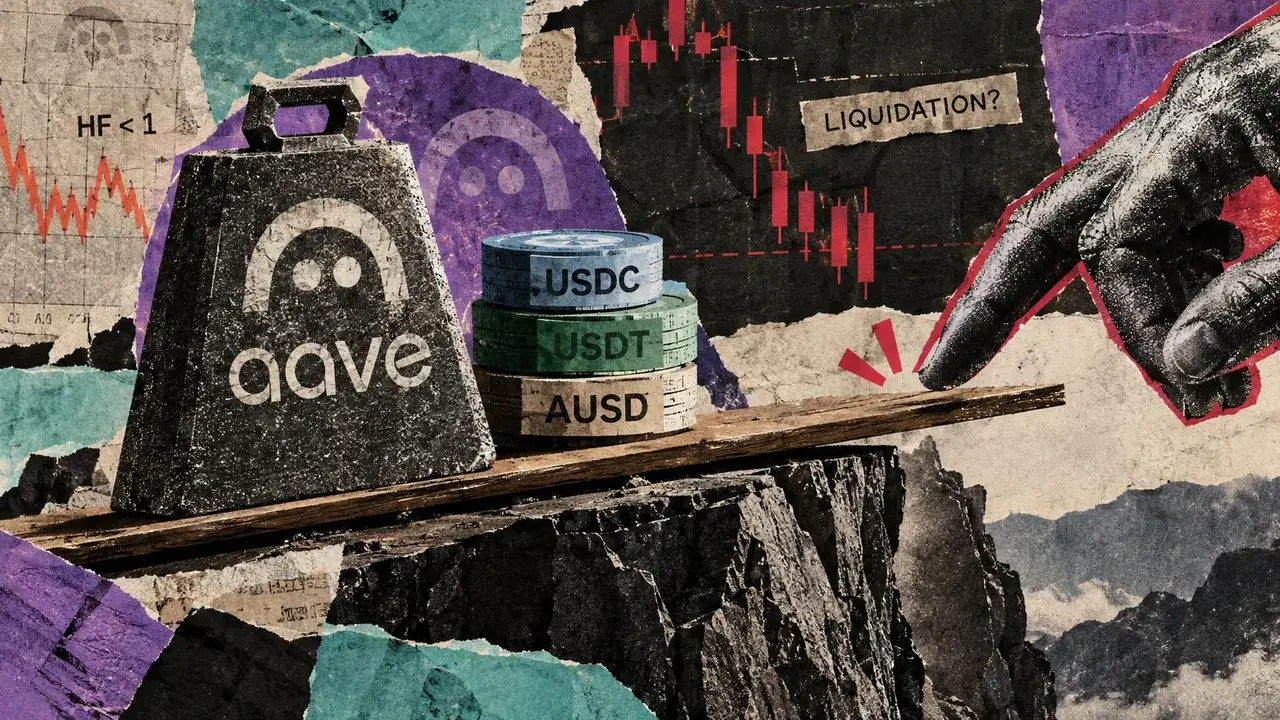
Some Aave loans sit near liquidation with collateral that can take hours to cash out
October 9 borrower snapshots put the focus on whether collateral sales or redemptions can fund stablecoin repayment.

Aave (AAVE) Holds Above Most Moving Averages as MACD Histogram Reaches Zero
AAVE gained 4.51% to $174.38 on Oct. 10, while derivatives positioning showed falling open interest and a positive funding rate.

Aave Integrates With MetaMask Agent Wallet to Enable AI-Powered DeFi Transactions
Starting this Friday, October 9, Aave integrates its Model Context Protocol (MCP) server with MetaMask Agent Wallet. Stani Kulechov and the MetaMask team confirmed the integration, adding that this move allows developers to connect artificial intelligence agents directly with Aave's lending markets.

Aave MCP and MetaMask Agent Wallet Serve Separate AI DeFi Roles
Aave's service provides protocol data and unsigned transactions, while MetaMask adds custody controls, spending limits and transaction-security features for AI agents.
Aave MCP now connects with MetaMask Agent Wallet for AI-driven DeFi actions
AI-driven DeFi integration enhances automation and security, empowering users with greater control and developers with streamlined innovation. Aave MCP now connects with MetaMask Agent Wallet for AI-driven DeFi actions.

Citrini Research Highlights Aave, Ondo and Uniswap for Tokenization
The analysis examines how tokenization could expand onchain trading and lending while emphasizing revenue models and token-holder participation.

Citrini Research favors AAVE, UNI, ETHFI, PENDLE, and ONDO in tokenization bet
Citrini's focus on infrastructure over headline assets suggests a shift towards sustainable growth in crypto through tokenization and AI integration. Citrini Research favors AAVE, UNI, ETHFI, PENDLE, and ONDO in tokenization bet.
Aave lists December AUSD principal token on Monad with 93% borrowing limit
Aave's new token listing enhances DeFi liquidity and stability, but high leverage risks could trigger cascading liquidations if mismanaged. Aave lists December AUSD principal token on Monad with 93% borrowing limit.

Wallet Moves 150 Million USDT From Aave to Spark Savings
A wallet shifted 150 million Tether USDt (USDT) from Aave to Spark Savings.
Large wallet moves $150 million in USDT from Aave to Spark Savings
The $150M shift highlights DeFi's liquidity concentration, impacting borrowing costs and signaling a preference for stability over yield. Large wallet moves $150 million in USDT from Aave to Spark Savings.

Aave V4 Launch Expands Avalanche's Onchain Credit Activity
The lending protocol added Avalanche markets for seven digital assets, while Galaxy issued a $75 million tokenized CLO on the network earlier this year.

Aave layers up security as crypto lending climbs 55%
Aave's enhanced security measures set a new standard in DeFi, highlighting the need for robust defenses amid rising interconnected risks. Aave layers up security as crypto lending climbs 55%.




