





Aave

Circle, Aave, and 50K Europeans Pushed MiCA Reserve Changes on Yield Ban
Circle, Aave Labs and more than 50,000 European citizens submitted responses opposing the ECB's position in the MiCA public consultation, which closed on September 30. The European System of Central Banks called for extending the ban on stablecoin yields to lending, staking and other indirect rewards within the DeFi ecosystem.

Aave Defies Market Slump as AAVE Trading Volume Jumps 68%
AAVE trading activity surged roughly 68% as the token pushed toward $190 despite softer conditions across the broader crypto market. Derivatives amplified the move, with futures volume near $1.09 billion, open interest around $535 million and short liquidations dominating total forced closures.

Aave price outlook: Can burn talks fuel a breakout above $200?
Aave price has climbed toward $182 after reaching an intraday high of $187.50 on Oct. 2, putting the $200 level within reach as daily momentum strengthens.

Aave Price Prediction: $305K Drain Should Not Stop AAVE From Reaching $300 Soon
Aave (AAVE) is targeting high-liquidity targets between $230 and $300 following a major short squeeze and an 11% daily surge while reaching a new record of $1.1 trillion in cumulative borrow volumes.

Aave v3 Unaffected by $305K Safe Exploit
Aave founder Stani Kulechov said on October 2 that Aave v3 was unaffected by an exploit that drained roughly $305,000 from two Safe multisig wallets through a third-party adapter. Kulechov stressed that the compromised contract was external to Aave, with the incident having “zero effect” on Aave v3 itself.
AAVE Eyes $200 After Billion-Dollar Volume Jump
Aave climbs toward $190 as V4 deposits, buybacks, rising futures volume, and short liquidations fuel stronger AAVE market activity.

Aave Prints Enormous 68% Volume Increase: What's Behind It
Aave is experiencing another aggressive expansion in trading activity as AAVE pushes toward $190. The token was trading around $185–$186 on Oct. 2, gaining roughly 13% over 24 hours and more than 26% over seven days, according to the supplied market data.
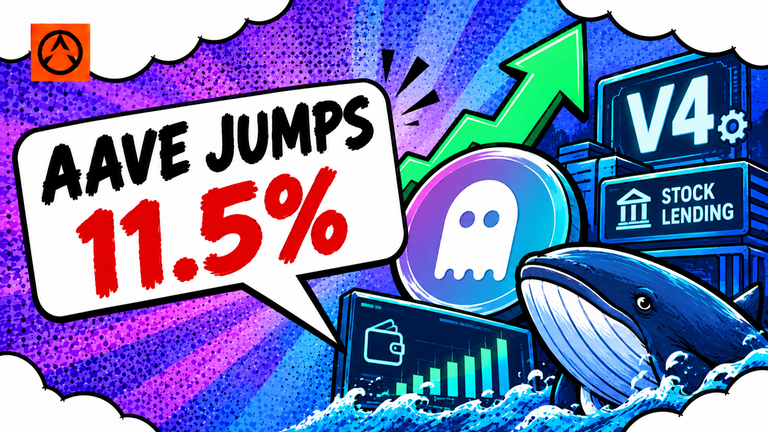
Aave Jumps 11.5% as V4 Stock Lending and Whale Buying Grow
AAVE jumps 11.5% as Aave V4 stock-backed lending passes $9M in deposits, a whale buys $6.3M in AAVE and loans top $1.1T.
Aave v3 Unaffected After Third Party Adapter Hack Hits Safe Wallets
A FlashLoopAdapter exploit drained $305K from two Ethereum Safe wallets. Aave founder says Aave v3 was not affected by the third party adapter flaw.
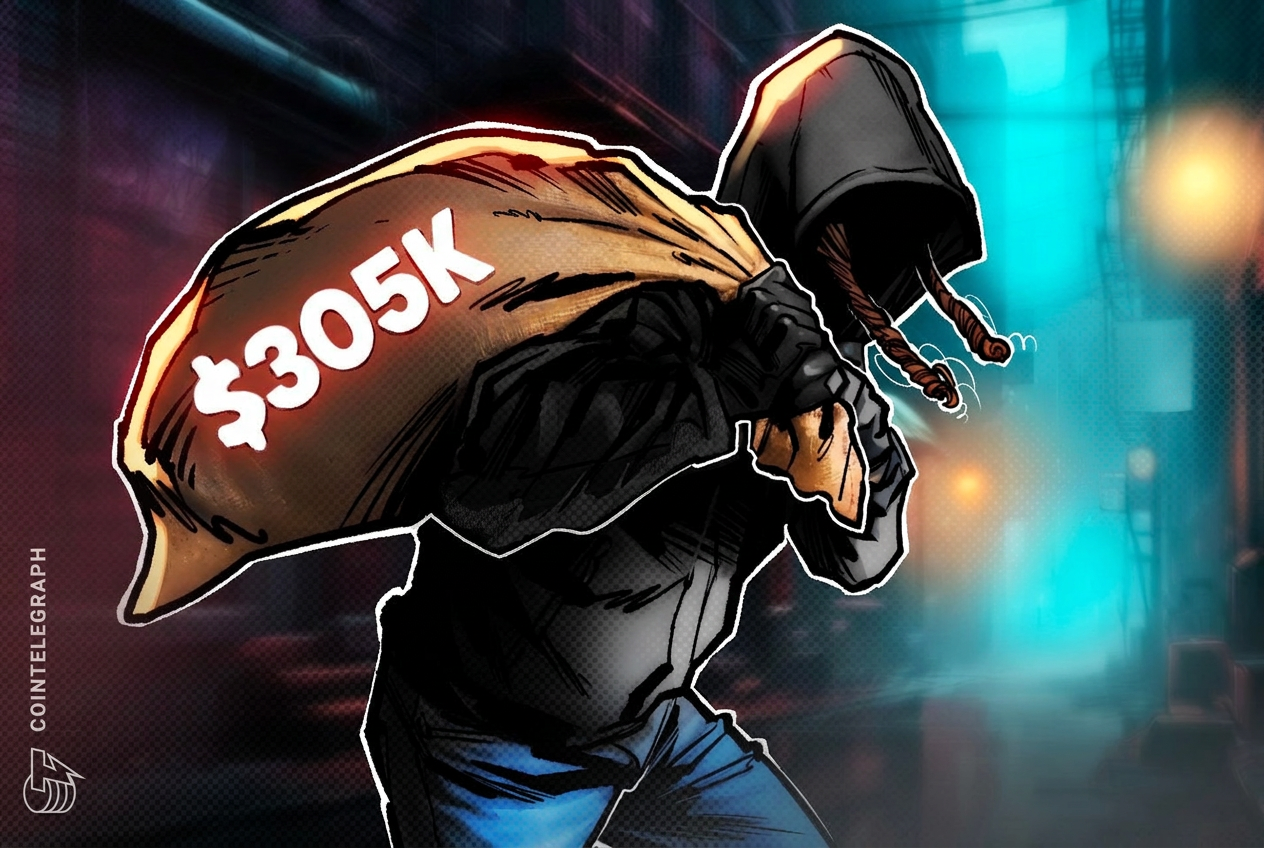
Aave founder says V3 unaffected after third-party adapter exploit drains $305K
Aave founder Stani Kulechov said Aave v3 was unaffected after an attacker exploited a third-party adapter to drain about $305,000 from two Safe multisig wallets.

Can AAVE crypto reach $200? THIS overbought signal raises concerns
AAVE's 20%+ rally gains support from rising TVL, fees, and lending demand as the token eyes $200.

AAVE Reaches $185 Year-to-Date High as Four Hyperliquid Longs Top $1 Million
Each of the four AAVE long positions showed more than $1 million in unrealized profit.




