





Aave

AAVE is testing $165.98 – A breakout could send it to $180
Aave considered token burns as whales accumulated $4.26 million, while AAVE challenged key resistance.

Sentora Seeks Aave V4 Markets With a 50% Revenue Share
Sentora wants to run Aave V4 lending markets on Ethereum and split revenue evenly with the DAO. The proposal has no live deployment or demand data.

Aave's $50 million lending plan could lose money without a single default
The proposed BTC and ETH loans would pair custodied borrower collateral with DAO assets securing a separate source of funding.

Aave V4's Locked Value Jumps 82% as Arc Hits $181 Million
Aave V4's total value locked increased during September, while Arc reached the reported milestone.

Aave V4 Active Loans Exceed $400 Million as Deposits Reach $1.2 Billion
The protocol's Base market lets eligible users outside the United States borrow USDC against seven Coinbase-tokenized U.S. stocks.
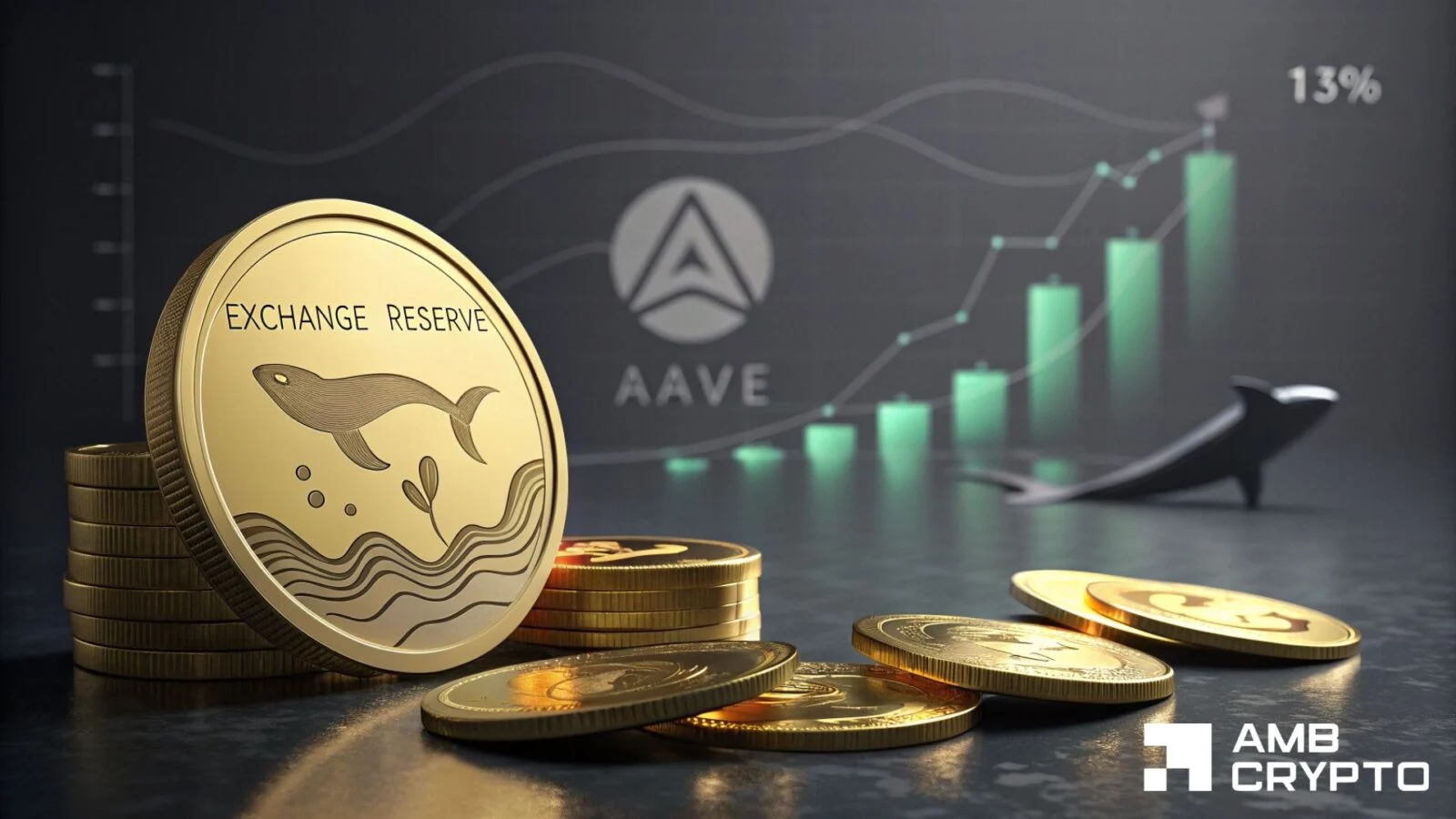
AAVE crypto rallies 13% – But THESE signals call for caution
AAVE's price surged as network developments and whale activity boosted buying pressure, while rising reserves added a correction risk.

Sentora split 50% Aave revenue, but suppliers absorb all losses
The DAO would keep the contracts, but Sentora would set market risk controls and suppliers have no specified loss cushion in the plan.

AAVE Jumps More Than 10% as Price Climbs Toward $175 Resistance
AAVE price gained 16.1% over the past 24 hours to reach $166.58 on September 29, 2026. The protocol's market capitalization reached $2.62 billion, backed by $713.79 million in daily trading volume. The platform enabled seven tokenized stocks as loan collateral for USDC borrowing on Aave V4 deployed on Base.
Crypto Aave Gains 11% from a Planned Burn
This Tuesday, Aave posts the best DeFi rise! Its founder, Stani Kulechov, envisions a crypto token burn in Aavenomics 3.0, and buyers have seized on it.
Aave crypto surges 17% despite 5% Treasury yields—can AAVE hold $155?
AAVE broke above its September highs as renewed interest in DeFi outweighed competition from high-yielding US government debt.

Sentora proposes AAVE V4 markets with 50% revenue share for DAO
Sentora's proposal could enhance DeFi market efficiency and governance, potentially setting a precedent for future DAO collaborations. Sentora proposes AAVE V4 markets with 50% revenue share for DAO.

Aave (AAVE) Long Shows About $2 Million in Unrealized Profit
A Hyperliquid address beginning with 0x08c1 holds about 21,800 AAVE long contracts with 10x leverage and an average position price of $80.89.




