





Cardano

Cardano Foundation partners with UNDP on 2026 SDG Blockchain Accelerator
This partnership could significantly enhance global development efforts by integrating blockchain solutions into UN initiatives, fostering innovation. Cardano Foundation partners with UNDP on 2026 SDG Blockchain Accelerator.
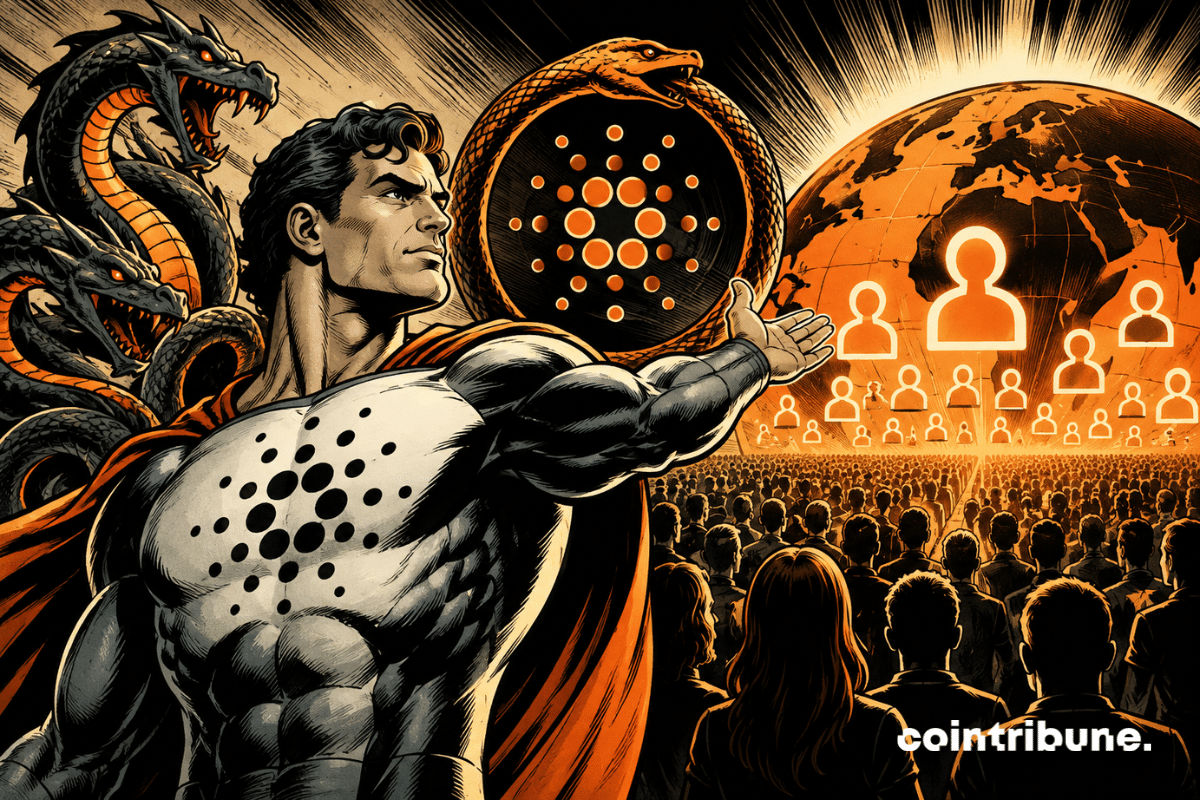
Cardano Targets One Billion Users by Betting on Hydra and Ouroboros Leios
The crypto sector is still looking to make the blockchain simpler and more useful on a daily basis. In this dynamic, Cardano aims to take a new step by expanding its user base on a global scale.
Cardano Foundation Drafts Dijkstra Upgrade For Smart Contract Execution
Cardano Foundation Drafts Dijkstra Upgrade For Smart Contract Execution - Read the full analysis.
Cardano price prediction after ADA flashes major buy signal
Cardano (ADA) has flashed a fresh bullish signal after reaching analyst Ali Martinez's downside target of $0.17, prompting expectations of a short-term rebound toward the $0.20 level.

Cardano TD Sequential Turns Bullish: Here's The Target
A big bullish sign emerges on the daily charts, but the SuperTrend's still lagging behind upon ADA's soft bounce.
Cardano's Future: What Holders Need to Know About Private ADA DeFi. Here's What Hoskinson Says About It
Although Cardano has evolved into a global financial phenomenon in recent years, much still awaits to be unleashed, powered by its advancing blockchain technology. In a video shared on Sunday, Cardano founder Charles Hoskinson talked about the future of Cardano with regard to private ADA DeFi.

ADA price slips to $0.17 as Cardano maps out Dijkstra upgrade
ADA has surrendered most of its August gains while Cardano prepares the first stage of its Dijkstra network upgrade.
Cardano's ADA Displays 3 Key Warning Signals as Market Attempts to Stabilize
In a recent post on X, formerly Twitter, leading cryptocurrency personality Ali Charts highlighted key warning signs on Cardano's ADA technical chart.

Cardano (ADA) Unveils Major Dijkstra Upgrade Timeline While Whale Wallets Dump Millions
Cardano is hovering near $0.175 after experiencing a 1.03% decline in the wake of the network's announcement detailing its ambitious two-phase Dijkstra hard fork development schedule. The roadmap outlines significant protocol enhancements planned for late 2026 and the second quarter of 2027.

Cardano price nears $0.17 despite Dijkstra roadmap
Cardano price fell about 1% to $0.174 as traders weighed a two-stage Dijkstra upgrade roadmap against a bearish chart structure and nearby liquidation risks. Cardano price action today According to data from crypto.news, Cardano (ADA) price was trading near $0.

Cardano targets Q4 2026 for Dijkstra upgrade rollout
Cardano's phased Dijkstra upgrade could enhance scalability and transaction efficiency, potentially strengthening its position in the blockchain ecosystem. Cardano targets Q4 2026 for Dijkstra upgrade rollout.
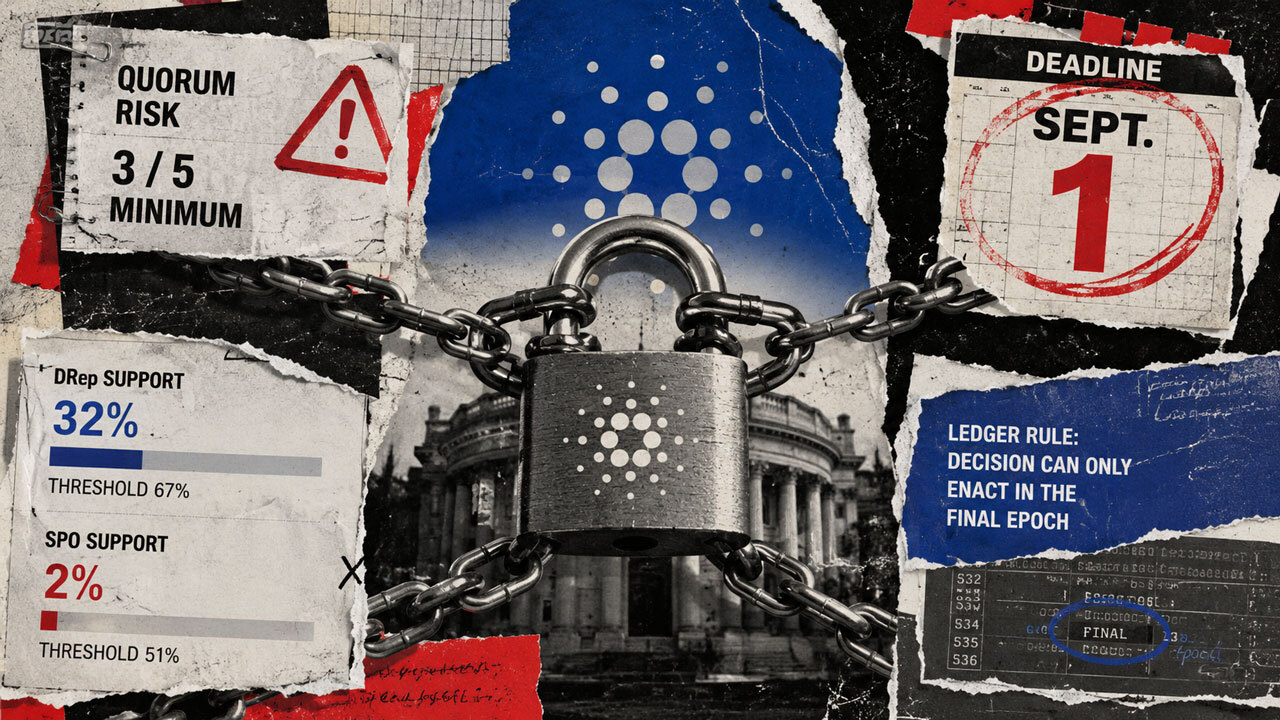
Cardano has two weeks to avoid a governance freeze as 4 committee seats expire
An Aug. 17 snapshot showed 32.46% DRep and 1.95% SPO support, with enactment barred before epoch 653.




