



Aristocrat Group Corp. (ASCC)
 OTC PINK OTC PINK Primary
Union Pacific: Scoop Up This Future Dividend Aristocrat Now
Union Pacific is just six years away from becoming a Dividend Aristocrat. The railroad operator is benefiting from nearshoring trends and improved operational efficiency, with the pending Norfolk Southern merger serving as additional growth fuel. Union Pacific's adjusted debt-to-EBITDA ratio closed out 2025 at 2.7x, which was in line with 2024.

Best Dividend Aristocrats As Of March 20, 2026
Dividend Aristocrats, tracked via NOBL, outperformed SPY YTD despite a sharp March pullback, with 44 Aristocrats beating SPY and 17 posting double-digit gains. Momentum, valuation (via dividend yield theory), and projected long-term total return now guide Aristocrat selection, with 39 currently screening as undervalued and offering ≥10% expected annualized returns. Recent dividend increases from CL, GD, LIN, and O bring the 2026 average Aristocrat dividend growth rate to 3.40%, with Realty Income expected to announce further hikes throughout the year.
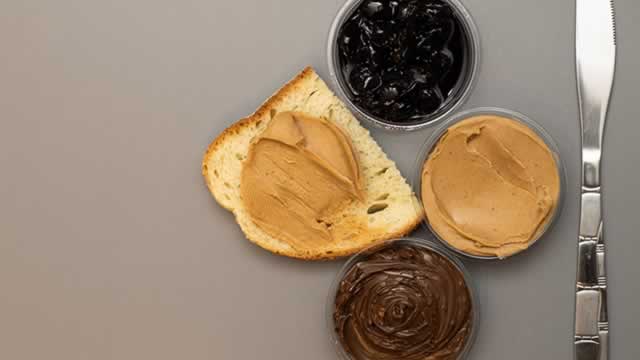
J. M. Smucker: This Dividend Aristocrat's Turnaround Is Brewing With Elliott's Backing (Upgrade)
The J. M. Smucker Company (SJM) is upgraded to Buy, driven by operational improvements, portfolio rebalancing, and Elliott Management's activist involvement. SJM delivered Q3'FY26 revenue and EPS beats, with pricing actions offsetting volume declines and margin compression amid a tough consumer environment. Management targets >$1 billion FCF, significant debt reduction, and >10% total shareholder returns, supported by a 4.3% dividend yield and disciplined payout policy.

Top 3 Dividend Aristocrat Stocks to Buy for Strong Returns in 2026
Volatility is again picking up, and it's a good idea to focus more on safety.

American Water Works: Pick Up This Future Dividend Aristocrat Now
American Water Works is a real-life version of Monopoly's Water Works, returning steady and growing dividends to its shareholders for 17 years straight. AWK's $19 billion to $20 billion five-year capex plan (not including Essential Utilities) should power solid adjusted EPS growth. The water utility's debt-to-capital ratio remains below its long-term target, and it had almost $1.2 billion of liquidity to close out 2025.

This “Forgotten” Dividend Aristocrat Is 25% Undervalued and Effectively Yields More Than a Treasury Bond
The market is starting to flood back into defensive and Dividend Aristocrat stocks before the economic pendulum swings the other way.
Abbott Labs Just Extended Its Dividend Aristocrat Status: What Comes Next?
Abbott Laboratories just paid its quarterly dividend of $0.63 per share on February 13, 2026, marking a 6.8% increase from the prior quarterly rate.

3 Dividend Aristocrat Stocks To Buy for Reliable Income In 2026
Dividend aristocrats tend to be some of the most reliable stocks. These companies have raised dividends for at least 25 consecutive years, showing steady long-term growth and strong financial discipline.

Dividend Aristocrat Kimberly-Clark Is Spending More Than It Generates on Its Dividend
Kimberly-Clark Corp. (NASDAQ: KMB) is undergoing the largest transformation in its 150-year history while maintaining a dividend that has increased for 54 consecutive years.

T. Rowe Price: Goldman Sachs Partnership Helps This High-Yield Dividend Aristocrat
T. Rowe Price Group, Inc. is reiterated as a Strong Buy, supported by a pristine balance sheet, robust free cash flow, and a compelling >8% combined yield. TROW delivered record AUM of $1.78 trillion despite $56.9 billion net outflows in 2025, aided by strong market returns and product diversification. Strategic initiatives include ETF launches, global expansion, and a partnership with Goldman Sachs, signaling adaptability and a potential safety net.

J.M. Smucker: Buy This Dividend Aristocrat While It's On Sale
J.M. Smucker is a value and income play, trading at a forward P/E of 11.6 and yielding 4.2%. SJM faces margin pressures, but portfolio simplification and cost savings are expected to stabilize profitability. Growth drivers like Uncrustables and Café Bustelo, combined with a well-covered dividend, support a "Buy" rating for potential strong total returns.
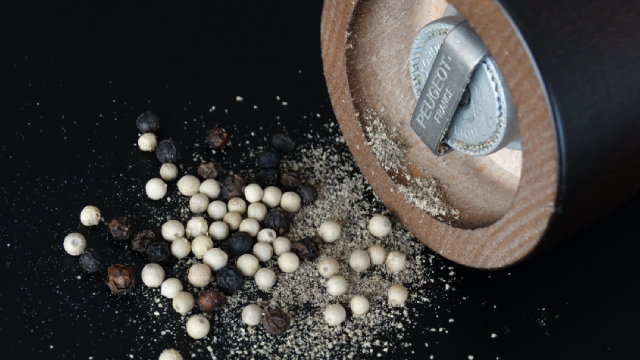
McCormick: A Dividend Aristocrat Priced For Perfection
McCormick is a Dividend Aristocrat that trades above intrinsic value, with a Hold rating justified by premium valuation and macro pressures not properly reflected. MKC's dividend comes with an ~80% payout ratio, currently trading at one of their highest yields, but consumer weakness and tariffs weigh on performance. Despite strategic sourcing and productivity initiatives, MKC faces intensifying competition from private labels and relies heavily on global supply chains.




