



Aristocrat Group Corp. (ASCC)
 OTC PINK OTC PINK Primary
June's Top Dividend Aristocrat Fat Pitches: Blue-Chip Bargains You Can't Miss
Despite bubble fears, 91% of market gains since 2009 are justified by fundamentals like earnings, dividends, and strong balance sheets. Stocks appear overvalued at face value, but strong long-term earnings growth potential could justify current prices. These five dividend aristocrats, currently trading at a 42% historical discount, offer exceptional return potential and a significant margin of safety.

Costco: Hold This Potential Future Dividend Aristocrat
Baby Boomers hold significant wealth and influence, impacting the economy as they age and creating investment opportunities in sectors like retail and healthcare. Costco is favored by Baby Boomers and millennials, offering value and nostalgia, making it a strong long-term investment despite current overvaluation. Costco's consistent dividend growth and share repurchases enhance shareholder returns, but the stock's high valuation suggests a HOLD rating for now.

3 Dividend Aristocrat Stocks To Buy in May and Hold Forever
Instead of selling, you can buy these dividend stocks in May and go away. These Dividend Aristocrat stocks have both upside potential and pay dividends.
Emerson Electric: Buy The Dip On This Dividend Aristocrat
Emerson Electric's price dip in recent months creates an attractive entry point. It trades below its historical average PE and has strong fundamentals and growth prospects. EMR's leadership in automation solutions, high margins, and strategic acquisitions position it well to benefit from rising global power demand and energy transition trends. Record gross and EBITDA margins, solid EPS growth, and a healthy balance sheet underscore EMR's high-quality status in industrial automation and energy solutions.

York Water: Tap Into This Dividend Aristocrat For Recession-Proof Income
Water utilities such as York are a great place to take shelter from current market volatility. York Water's 2024 results were fine, and 2025 should show a return to earnings growth. This Dividend Aristocrat is a good pick as investors prioritize lower volatility firms with steady cash flows and income streams.

Fuchs: On Its Way To Dividend Aristocrat And Still Undervalued
Fuchs SE's fiscal 2024 results disappointed investors, causing a temporary stock decline, but the stock quickly recovered and remains a "Buy" due to its strong fundamentals. Despite a slight revenue decline, Fuchs achieved 10.1% EPS growth and maintains a diversified customer base, reducing dependency on any single client. Management expects 5% sales growth and 6% EBIT growth for fiscal 2025, with long-term revenue growth opportunities in e-mobility, wind power, and data centers.

2 BDCs With Uninterrupted Dividends: 1 Will Likely Become Aristocrat, 1 Likely About To Cut
BDCs face challenges due to declining earnings, increased private credit supply, and recession concerns, impacting dividend sustainability. Many BDCs have already cut their dividends to align earnings with the cash distributions. Yet, there is still a long list of BDCs that have maintained their base dividends safe.

Realty Income: Buying More Of This High-Yield Aristocrat Bargain
Realty Income is now my portfolio's third-largest position. The REIT has a lengthy growth avenue to continue generating mid-single-digit annual AFFO per share growth. Realty Income enjoys an A- credit rating from S&P on a stable outlook.

Qualcomm Is On Its Way To Becoming A Dividend Aristocrat And It's Undervalued
Qualcomm offers a compelling investment with a 2.17% dividend yield, strong profitability, and undervalued stock, despite recent share price declines. QCOM's robust financials include $14.31 billion in cash, $12.74 billion in free cash flow, and a 25.94% net income margin. Risks include intense competition, regulatory scrutiny, and geopolitical tensions, but QCOM's capital allocation and growth in 5G, AI, and IoT provide significant upside.
Dividend Aristocrat Southern Company Rewards Shareholders Again: Here's How Much Money They Get
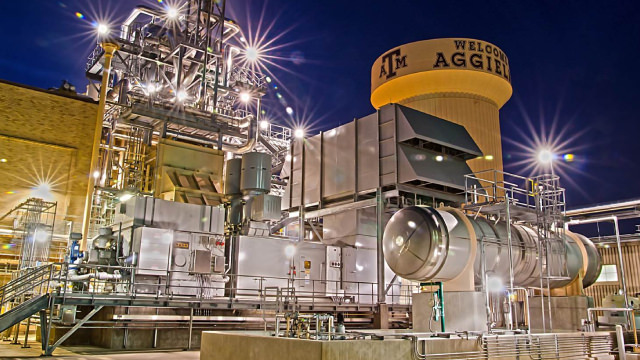
Southern Company (NYSE:SO ) is a stalwart Dividend Aristocrat and again paying shareholders a quarterly dividend of $0.72 per share today.

10 Dividend Aristocrat Bargains To Help You SWAN During This Trade War Turmoil
The trade war is causing market volatility, with stocks falling and bonds performing well as investors seek hedges against economic slowdown fears. Dividend aristocrats, particularly low-volatility, defensive ones, offer a stable investment strategy during trade war turmoil. They provide dependable income and lower downside risk. The recommended 10 low volatility dividend aristocrats include Johnson & Johnson, PepsiCo, and Kimberly-Clark, offering a 4% yield and strong long-term return potential.

Genuine Parts Company: Unappreciated Dividend Aristocrat
Genuine Parts Company is a global leader in automotive and industrial replacement parts, operating in 17 countries with over 10,000 locations. The company is a dividend aristocrat, raising dividends for 68 years, with a 3.2% yield and a recent increase to $4.12 per share annually. Restructuring efforts are expected to save $200 million by 2026, supporting long-term growth despite short-term earnings contraction.




