





Binance Coin

Grayscale Advances Spot BNB ETF Plans With Updated SEC Filing
Grayscale Investments has taken another major step toward launching a spot BNB ETF in the United States by submitting a second amended S-1 registration statement to the U.S. Securities and Exchange Commission (SEC). The updated filing highlights the companys continued efforts to introduce a regulated investment product tied to BNB, the native cryptocurrency of the Binance ecosystem.

BNB Chain Targets 20,000 TPS as Stablecoins, RWAs, and AI Agents Drive 2026 Strategy
BNB Chain handles 40% of global stablecoin activity while 179,000 AI agents use its financial layer.

Will BNB Price Rally to $1,000 Amid Grayscale ETF Filing Update?
BNB trades near $687 as Grayscale updates its spot BNB ETF filing, while analysts watch breakout levels and a long-term $1,000 target.
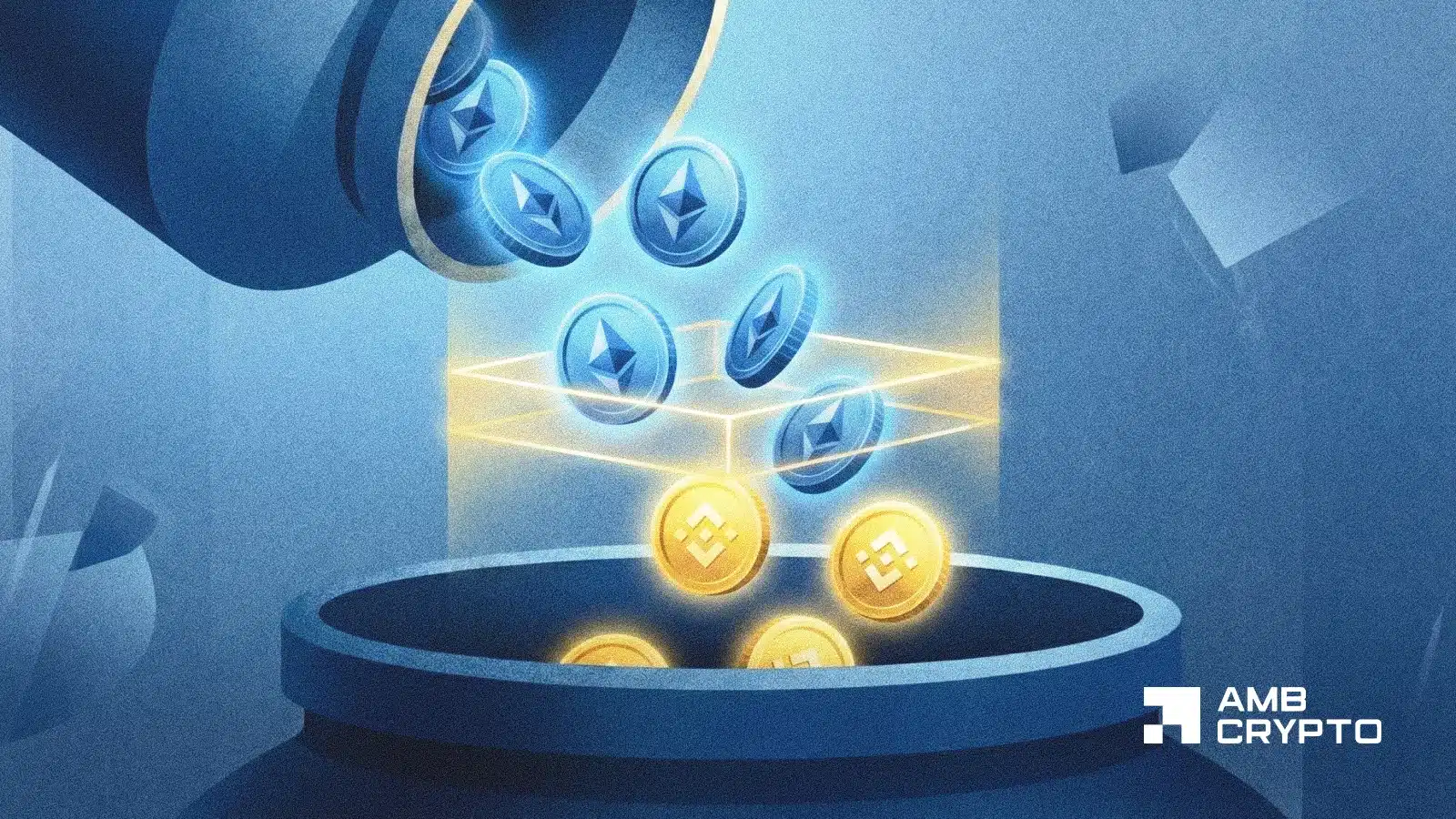
Ethereum whale rotates $50 mln into BNB: Strategic positioning?
Whale accumulation may be early signal of relative strength shift for BNB/ETH this Q2.
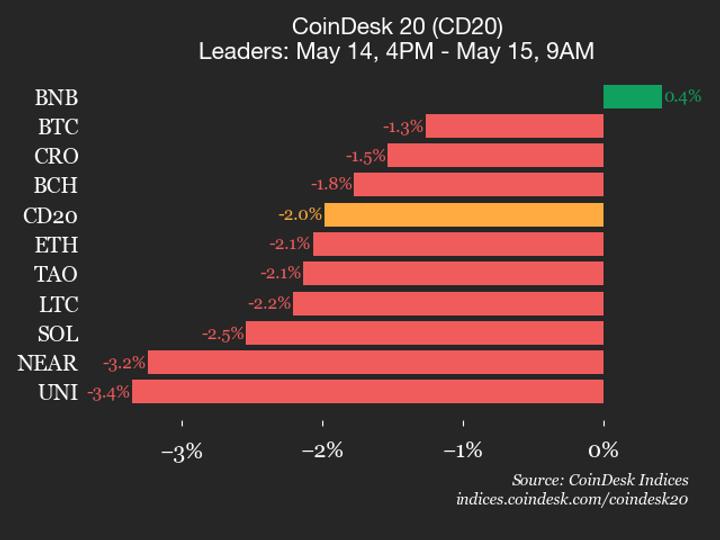
CoinDesk 20 performance update: BNB is only gainer as index drops 2%
BNB (BNB) rose 0.4% while Bitcoin (BTC) fell 1.3% from Thursday.
Can BNB price break above $750 as double bottom pattern forms?
BNB price continued climbing this week as bulls attempted to confirm a breakout above a key neckline resistance zone, with a bullish double bottom structure on the daily chart signaling the potential for a larger upside move toward the $750

BNB Chain Maps Out Post-Quantum Cryptography Migration Path for BNB Smart Chain
BSC tests ML-DSA-44 signatures and pqSTARK aggregation as quantum computing threats grow closer.

Biggest Post-Quantum Challenge Facing Bitcoin: BNB Chain Research
Post-quantum cryptography is becoming a major focus across the blockchain industry as researchers prepare for the future threat of quantum computers. A new report from BNB Chain Research shows that the biggest challenge for blockchain networks may not be consensus systems, but the massive increase in transaction and block sizes caused by quantum-resistant signatures.

BNB Chain just posted one of crypto's fastest RWA growth rates – Details inside!
Stablecoin supply also went up $16 billion.

BNB Chain Explores Post‑Quantum Cryptography for Future Smart Chain Security
BNB Chain published a technical report on post-quantum cryptography migration for BSC, based on the NIST FIPS 204 standard. Transaction signatures migrate to ML-DSA-44 and consensus votes to pqSTARK, with blocks growing up to ~2 MB at 2,000 TPS.
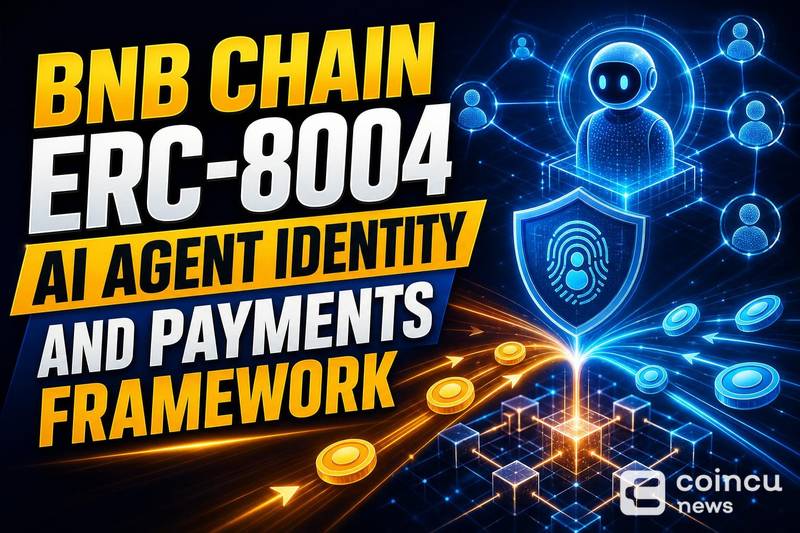
BNB Chain Launches ERC-8004 AI Agent Identity and Payments Framework
BNB Chain has launched a framework for on-chain AI agent identity and payments built on the ERC-8004 standard, aiming to give autonomous agents a practical way to authenticate, transact, and operate across decentralized applications.

Binance Coin: Why the $650 level is crucial after BNB's latest rally
BNB approached the local range's highs at press time, and the market hasn't yet made its mind up on where to take prices next.




