






U.S. offers India a 30-day waiver for buying Russian oil as Iran war deepens energy supply worries
U.S. has issued a 30-day waiver to the world's third-largest oil importer, India, to resume purchase oil from Russia. The U.S. government is taking steps to curb rising oil prices, including offering political risk insurance for tankers transiting the Gulf.

Oil Futures Fall After Bessent Unveils Stopgap Measure for India
Oil futures fell in early Asian trade after Treasury Secretary Bessent unveiled a stopgap measure to ease pressure caused by what he calls Iran's attempt to “take global energy hostage.”
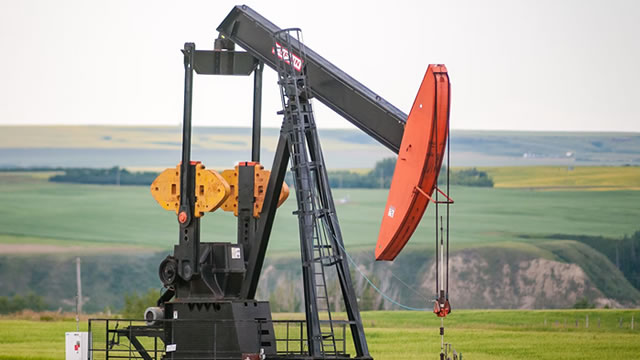
Oil Prices Surge, Stocks Fall on Widening Iran War
American oil benchmark posts big gain.

Why the U.S. ‘newfound oil' in Venezuela won't offset an Iran oil shock
Oil is still “baking in the mother of all supply shocks” since the 1973 oil embargo, says one energy-market investor.

Crude Oil at 52-Week High: Stay Nimble for Opportunities Amid Stronger Volatility
@CharlesSchwab's Liz Ann Sonders says the commodity space is all about crude. She urges inventors to brace for volatility so long as oil remains above $74 even with "resiliency" masking some of the volatile moves.

Oil's Gains Continue as Gulf Supply Risks Intensify
Oil rallies past $77 on Strait of Hormuz supply fears. Pipeline alternatives and US production capacity could ease pressure, but USOIL targets $84.50 if the 38.2% Fibo breaks.

Venezuelan Oil Cargoes Are Surging at an Opportune Time
American fuel makers are gobbling up Venezuela's heavy crude even as the U.S.-Israeli strikes on Iran have stalled global oil shipments.

Gas Prices Top $3.25 Days Into Iran Conflict—Here's The Latest
While Iran is estimated to produce less than 5% of the world's oil, it has major influence over the Strait of Hormuz, through which more than 20% of the world's daily oil demand flows. Iran has already fired on some ships in the strait and traffic through the passageway is at a standstill.

Natural Gas and Oil Forecast: Warship Risks Spike Prices – Is a $90 Oil Moonshot Next?
WTI crude futures surge past $76 as supply risks ignite a bullish rally. With momentum targeting $80.72, discover the key levels driving the 5-week price high.
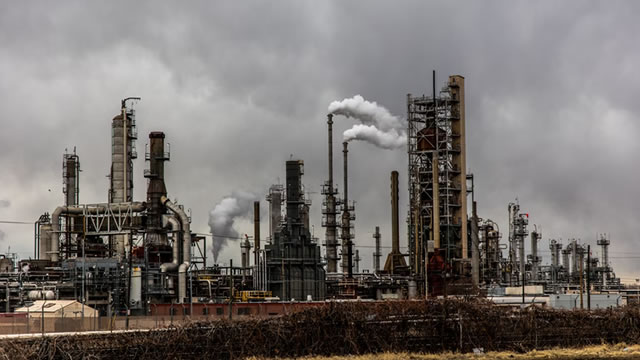
Oil prices rise again as conflict in Middle East escalates
Brent futures advanced close to the highs reached on Tuesday.

The oil price spike won't fix Russia's strained finances, an analyst says
Middle East conflict sends oil higher amid fears over Strait of Hormuz supply risks. Sanctions, discounts, and a strong ruble blunt the boost to Russia's oil revenue.

Oil prices rise as Iran conflict widens
Oil prices rose on Thursday amid growing concern over the prolonged closure of the Strait of Hormuz, as the U.S.-Iran war chokes off vital Middle East oil and gas flows while production facilities limit output.




