




Oil Rises as Escalating U.S.-Iran Conflict Stokes Supply Disruption Fears
Oil prices climbed in Asian trade Monday morning as escalating tensions in the U.S.-Iran conflict stoked concerns over potential supply disruptions in the Middle East.
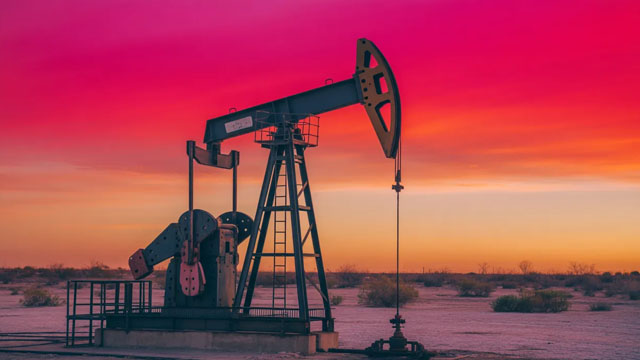
Oil extends gains after US and Iran strike ships
Oil prices extended gains on Monday as tit-for-tat strikes between the U.S. and Iran on vessels sailing in the Strait of Hormuz and other areas heightened concerns of a prolonged supply disruption from the Middle East.
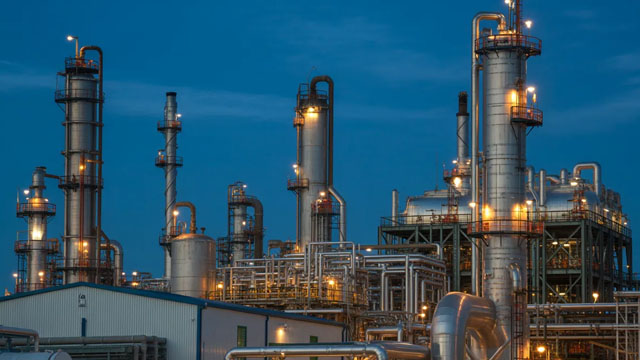
OPEC+ keeps oil output policy unchanged for October
The meeting of seven core OPEC+ members comes as the Iran war continues to disrupt oil exports through the Strait of Hormuz, limiting OPEC+'s influence over prices and market share.
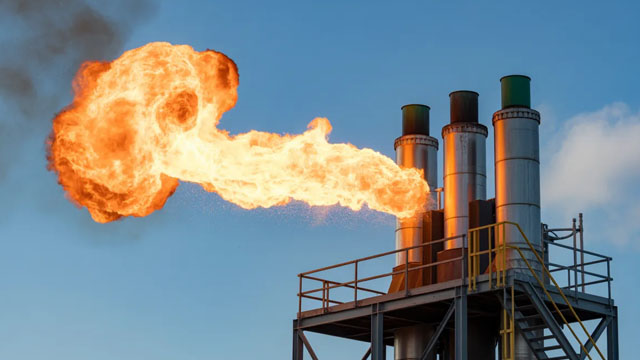
OPEC, Allies Agree to Keep Oil Output Steady in October
The cartel's move comes after six straight monthly increases.
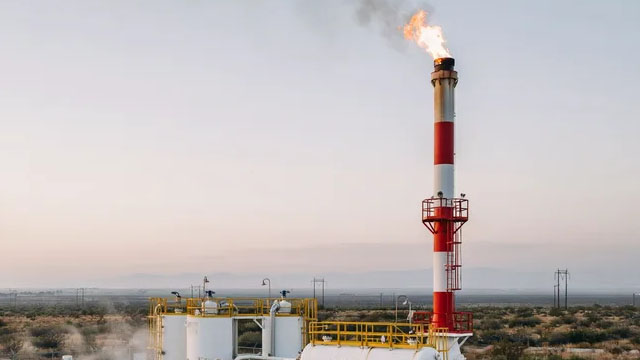
OPEC+ set to keep oil output policy unchanged on Sunday, sources say
OPEC+ is set to keep its oil output policy unchanged for October at a meeting on Sunday, two people familiar with the discussions told Reuters, as the producer group needs to agree new quotas before deciding its next output steps.
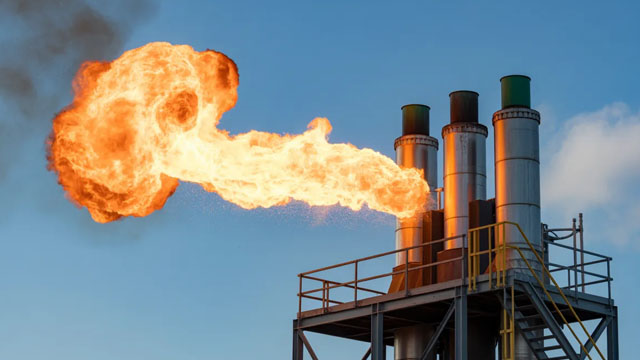
Americans hit with record-high Labor Day Weekend gasoline prices
With the war in the Middle East still raising energy costs, Americans face record-high gasoline prices for Labor Day weekend, just as political campaigns kick off for midterm Congressional elections.
Why Big Oil Is Wary of Trump's Foray Into Venezuela's Oil Patch
The energy industry has long opposed government intervention, and some executives are worried the U.S. is creating a giant with the ability to push them around.
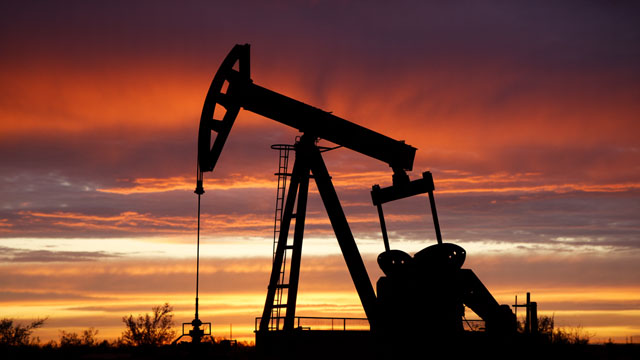
Oil Rises Amid Elevated Supply-Disruption Concerns
Oil rose in early Asian trade amid elevated concerns over supply disruptions in the Middle East.

Crude Oil Forecast: Brent Eyes $100 as Supply Risks Rise
Crude oil continues to rally as Persian Gulf tensions keep supply concerns elevated. Brent is showing momentum toward a potential test of $100, while WTI's technical structure remains bullish.

Oil edges down as investors weigh uncertainty over U.S.-Iran strikes
Oil prices edged lower on Thursday as investors weighed the uncertainty of renewed military strikes between the U.S. and Iran that risk disrupting supplies from the Middle East.

Oil Futures Fall on Likely Technical Correction
Oil futures fell in early Asian trade on a likely technical correction after the futures rose for a third consecutive session on Wednesday.
Strait of Hormuz Will Be a “Worthless Piece of Water” in Two Years. Why Oil Just Crossed $90/Barrel Anways
Treasury Secretary Scott Bessent, speaking at the G20 finance chiefs meeting, offered a two-year forecast in which he predicted the Strait of Hormuz would stop mattering to global oil. Meanwhile, Bloomberg's Jon Herskovitz described how a fresh round of U.S.-Iran strikes is happening now.


