





These stocks stand to gain as the U.S. tightens its grip on Venezuelan oil
If the U.S. can exert control over Venezuela's leadership and energy sector, the long-term implications could be substantial.

Capital Account: The U.S. had countless reasons for wanting regime change in Venezuela. Yet one factor appears to have been decisive for President Trump: oil.
Under the president's version of the Monroe Doctrine, commerce and resources drive U.S. strategic intervention. Is Greenland next?
Crude Oil Price Outlook – Crude Bounces After US Military Action
What is crude oil going to do after action in Venezuela? So far, not too much.
Oil traders must watch this index in 2026
January 3 showed that 2026 might inaugurate a new era of resource wars as the U.S. Armed Forces executed a daring raid against one of the most oil-rich countries in the world.
Not Your Father's Oil Market: Geopolitical Shocks Lack Impact
Sanctions and fracking have changed the market.
Traders Turn to Safe Havens, Defense as Oil Falls on U.S. Maduro Capture
Oil prices slipped as global markets and U.S. futures assessed the U.S. arrest of Venezuela President Nicolas Maduro and President Trump's promise to open up the country's oil reserves.
Oil Prices Fall as U.S. Capture of Venezuela's Maduro Raises Questions Over Supply
Crude prices fell on Monday after the U.S. ousted Venezuelan leader Nicolas Maduro over the weekend and said it would take control of the oil-producing nation.
Natural Gas and Oil Forecast: Geopolitical Tensions Support Prices Despite Weak Momentum
Geopolitical tensions and OPEC+ discipline keep oil supported near $60 as natural gas tests $3.45 support, with weak RSI signaling volatility ahead.
Is Trump's Venezuela Oil Plan a $100 Billion Gamble?
President Donald Trump said US oil companies will spend billions of dollars to rebuild Venezuela's energy infrastructure after the capture of Nicolás Maduro, the country's former leader. The nation has the world's largest oil reserves, but output plummeted during Maduro's 12-year term.
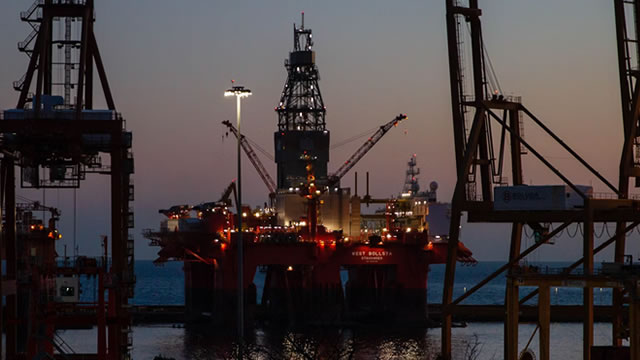
Analyst explains oil market's 'ambivalence' to US moves on Venezuela
Saul Kavonic, Head of Energy Research at MST Marquee, explains the different factors keeping oil prices in balance despite the dramatic US moves on Venezuela. He says Venezuela is an important source of supply for medium and sour crude, especially for US refiners.
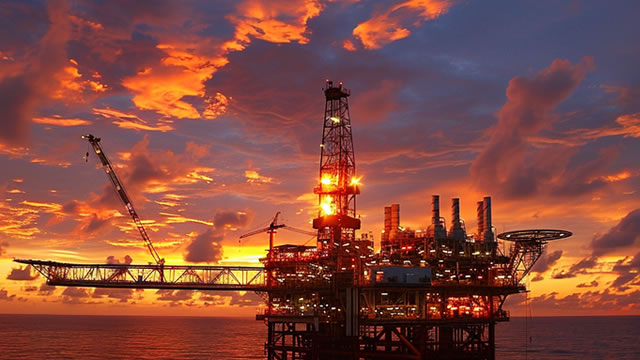
Who controls Venezuela's oil now? What Maduro's arrest means for energy markets
Maduro's arrest raises fresh uncertainty over who controls Venezuela's oil and how exports are managed. Chevron is best positioned if sanctions ease, but reviving production would take years and billions.

Why Oil Prices Are Barely Moving After the Venezuelan Incursion
A muted price move reflects expectations that significant obstacles remain before Venezuelan oil is flowing more freely.




