






Gas Price Drops Below $2.10 in Bright Spot for US Economy
One of the items in the consumer price index that has regularly fallen for almost two years is the price of fuel, particularly gasoline.

Saudi Arabia may lower February crude prices to Asia for a third month
Saudi Arabia, the world's biggest oil exporter, is expected to lower the February price for its flagship Arab Light crude for Asian buyers for a third month, mirroring declines in the spot market due to ample supplies, sources said.

Natural Gas and Oil Forecast: Asia Demand Hopes Offset by Bearish Supply Outlook
WTI oil stabilizes near $57 while natural gas stalls below $4.00, with supply surplus risks limiting upside despite demand optimism.

Oil Rises as U.S.-Venezuela Tensions Escalate
Oil was higher in early Asian trading as tensions between the U.S. and Venezuela escalate, according to Nanhua Futures analysts.

Oil News: Crude Oil Futures Edge Higher as Bearish Weekly Trend Holds Firm
Crude oil edged higher in thin holiday trade, but bearish charts and oversupply forecasts keep the broader oil outlook tilted lower.

An Ounce of Silver Is Now Worth More Than a Barrel of Oil
Neither investors nor industrial buyers can get enough of the precious metal, while a glut of crude has swamped energy markets and depressed fuel prices.
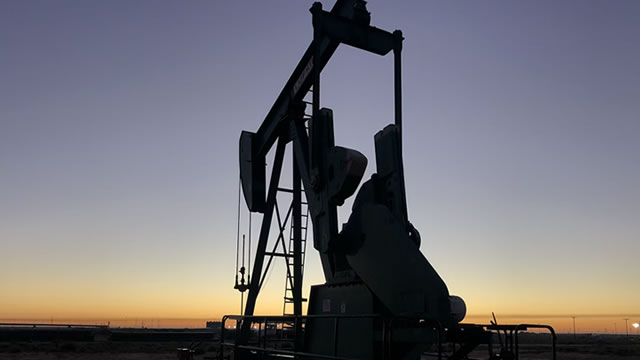
Off the Charts: Crude oil under pressure
'Fast Money' trader Katie Stockton talks technical indicators she is seeing in the crude oil markets right now.
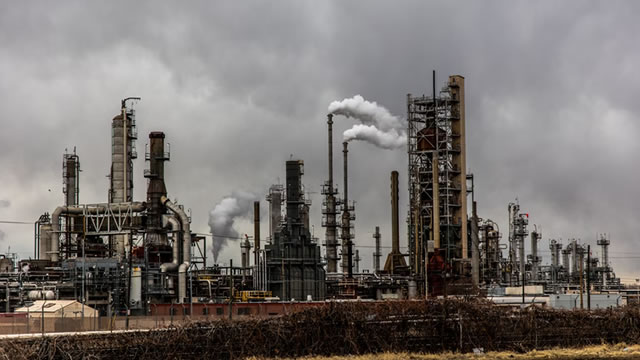
Oil Price Forecast – Technical Breakdown Set Stage for a Move Toward $50 in 2026
Oil prices dropped sharply in 2025 and traded near the $55 support zone, where oversupply, peaking U.S. production, soft demand, and bearish technical patterns suggest further downside into 2026.

Crude Oil Outlook – Crude Continues to See Sellers Above
The downtrend line and the 50-day EMA are both causing a bit of a barrier, and now that we have shown signs of exhaustion, I'm fine with shorting this.

Oil News: Crude Oil Futures React to Geopolitics in Fresh Oil Outlook Analysis
Geopolitical risks, shifting supply pressures and key moving averages guide crude oil sentiment as traders assess WTI trends and short-term volatility.

Oil rises as market weighs Venezuela supply risks
Oil prices climbed on Friday after the U.S. ordered increased economic pressure on Venezuelan oil shipments and carried out airstrikes against Islamic State militants in northwest Nigeria at the request of Nigeria's government.

Oil Edges Higher Amid Geopolitical Tensions
Oil edged higher in the morning Asian session amid geopolitical tensions.




